
From early childhood through adolescence, books offer children unique opportunities to explore, learn, and grow. On every page, children not only gain knowledge about the world, but also develop fundamental skills that will stay with them throughout their lives. Books stimulate the imagination, cultivate critical thinking, and offer valuable lessons about life’s challenges and joys.
Let’s look at information on how books are categorized by age and how we, as parents, can make better choices.
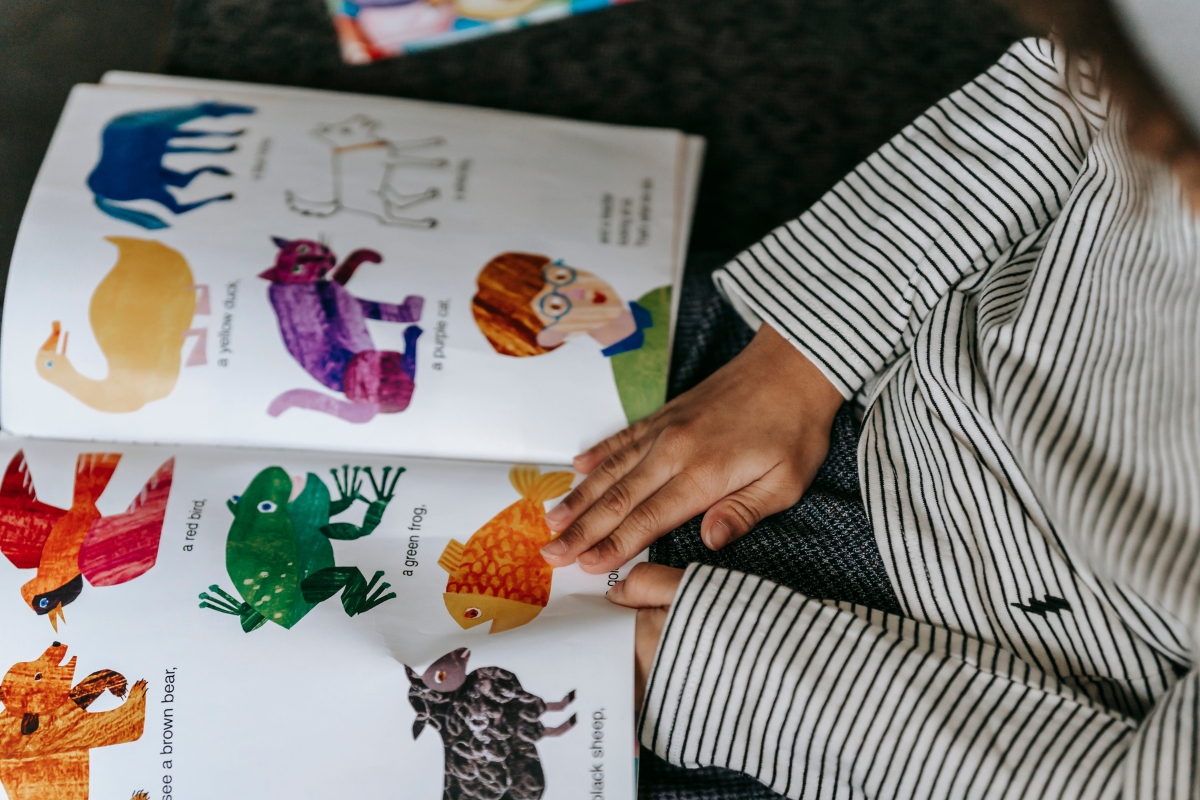
Young Children (Ages 3–5)
At this age, children often struggle to sustain their attention on a single activity or stimulus for long periods. As you likely already know, picture books with rich, vivid illustrations help children understand and connect the story they are hearing to visual cues. Children can grasp simple concepts and short phrases—ideally when presented through rhymes or melodic, rhythmic text.
School Age (Ages 6–8)
At this age, children are capable of following slightly more complex stories that keep them actively engaged. Simple dialogue becomes easier to understand, and children begin to particularly appreciate humor. Reading becomes an enjoyable experience—especially when books combine learning with entertainment, presenting interesting facts or knowledge in an engaging way.
School age (9–12 years old)
At this age, we can begin to introduce books with more complex concepts and stories featuring a variety of characters, which fosters creative thinking and imagination. It is advisable to choose stories that explore topics such as history, culture, or science in an engaging and accessible way, as well as books that encourage reflection and critical thinking in children.
Adolescents (13+ years old)
An excellent choice for this age group are books that explore the challenges and experiences of adolescence—such as emotions, relationships, and the search for identity—as well as stories that combine complex scenarios and imaginary worlds with serious themes and moral dilemmas. The goal of these books is to foster critical thinking in young people.

Establishing a routine
Reading books is ideal for integrating into a child’s daily life—a time for relaxation and rest, distinct from other types of activities. It is important to establish a habit that encourages the child to love reading and to want to read regularly. Help your child find the best time of day for them to read—whether in the morning or the afternoon—depending on their personal preferences and schedule.
Reading without pressure
Often, a parent’s desire for their child to love reading can lead to negative outcomes if not handled appropriately. Excessive pressure to read can cause a child to develop negative feelings toward reading, leading them to view it as an exhausting and laborious task. Similarly, excessive pressure to constantly focus on school-related reading—such as memorizing texts—can create a negative impression, turning reading into a mere obligation.
What if a child doesn’t like to read?
A child’s perception of reading is shaped by the stimuli they encounter in their daily life. If a child does not enjoy reading, there are several strategies you can try to spark their interest.
- Finding the right book
Every child is different and has their own unique personality. Try out different types of books and, above all, allow the child to explore all the available options on their own. Visit your nearest bookstore together and take the time to look for what they like best. Try not to be negative if the book they choose doesn’t perfectly align with your own preferences. It is important for the child to feel that their opinion and wishes matter.
- Make reading fun!
Especially at a young age, it is often a good idea to supplement books with audiovisual material—such as sound effects or videos—to make the reading experience more engaging and interesting. Create activities or games directly related to the book; act out scenarios, or play with the dialogue and characters.
- Create a pleasant reading environment
Set up a special reading corner with comfortable seating, good lighting, and books that are easy to reach. As children grow, it is important for them to see their parents actively reading, helping to foster an environment where reading becomes a habit and an essential part of everyone’s daily routine.
Enjoy your reading! We wish you and your children a pleasant reading experience!
Your first step in Spain
Look for an introductory activity near your home and ask about the experience before booking. Confirm what equipment is needed, any requirements, insurance coverage, and the policy for bad weather. For outdoor activities, check the specific advisories and restrictions for that location—conditions vary between the coast, the interior, and the islands. Choose an activity based on your own level of preparation and the guidance of professionals, rather than relying solely on a photograph or a difficulty label.
Original article: 2024-08-14. Edition adapted for Spain: 27 October 2026. Read the Greek original. Original author: Eleni Agiou.