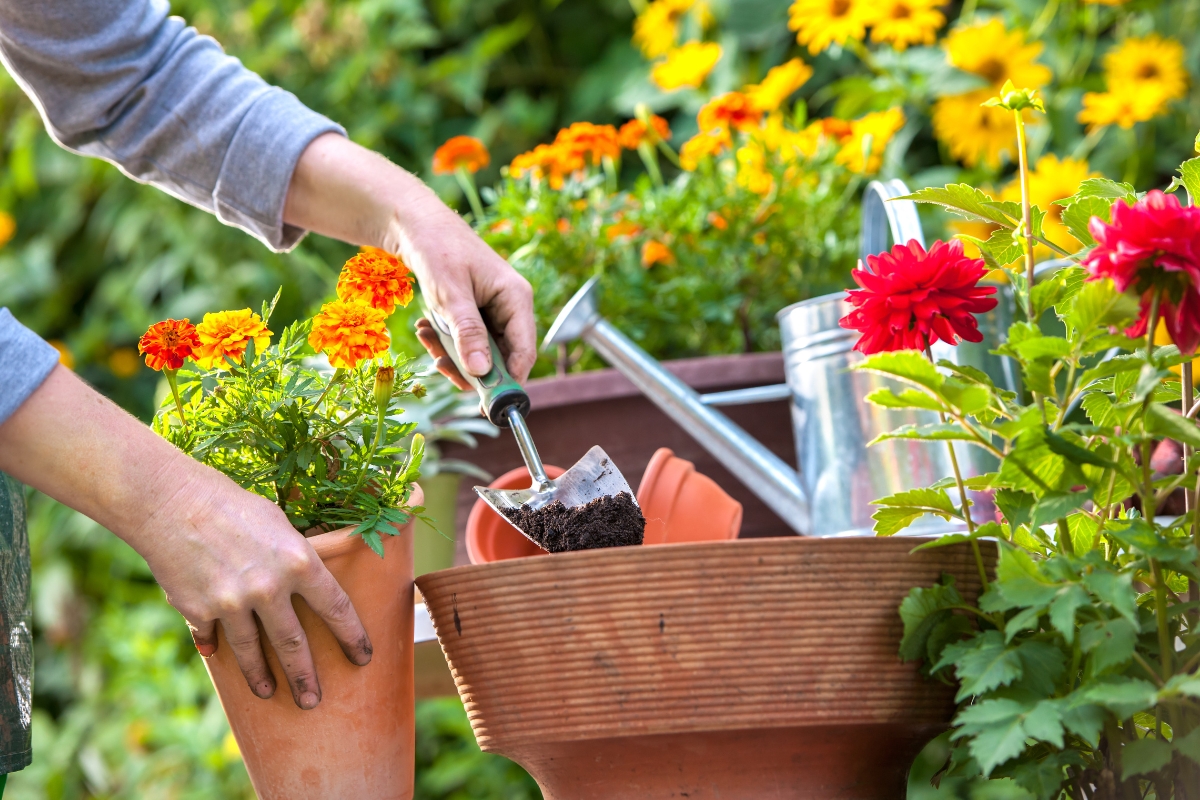
Whether gardening is your passion or you’re simply thinking about getting started, you know it’s an activity full of joy and renewal. Watching your plants grow and bloom offers a unique sense of satisfaction. However, to do it well and achieve the best results, it’s important to understand a few basic principles. In this article, we’ll share 7 useful tips to make gardening easier and more enjoyable, helping you create an incredible garden that you’ll be excited about—one you can enjoy every single day!
Choose the right soil
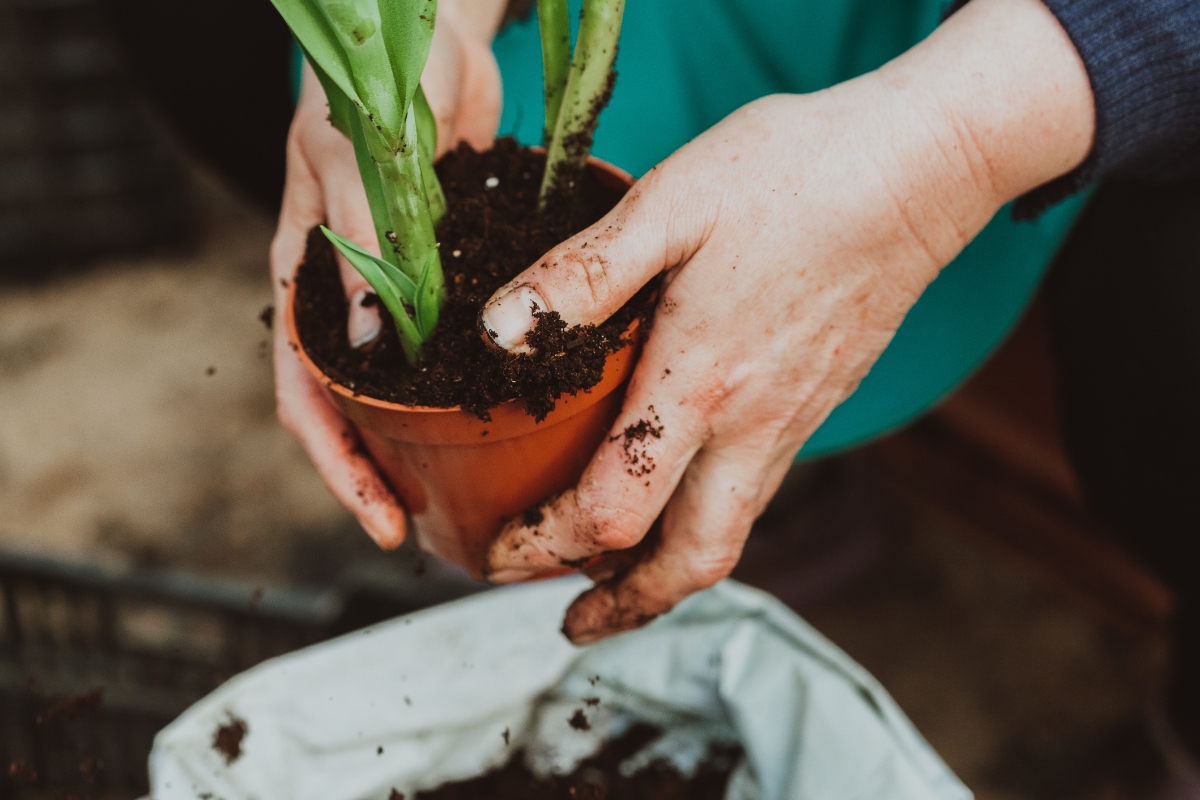
Soil is the foundation of any garden, so it’s important to take care of it. If it lacks the proper balance of nutrients, it may not be able to support your plants as it should. Use organic fertilizer to improve soil quality and ensure your plants have everything they need to grow.
Adding organic matter, such as compost, manure, or leaves, improves soil quality, regardless of the soil type. Organic matter helps improve soil structure, increases water and nutrient retention capacity, and promotes healthy root growth.
Pay attention to proper watering
Watering should be done in moderation and according to the plants’ needs. Do not overwater, as this can lead to root rot. The best time to water is early in the morning or in the evening, when evaporation is low. Watering in the morning gives plants enough time to absorb the water before the heat of the day. Watering in the evening can also be effective, but be careful not to water too late, as moisture may linger overnight and cause fungal diseases. During periods of heat and drought, you will need to water more frequently, while in cooler or wetter seasons, the need for watering decreases.
Pay attention to sunlight
Plants need sunlight to grow properly, but their requirements vary. Some plants love the sun and need many hours of sunlight each day, while others prefer shade. Areas with direct sunlight are ideal for plants that require many hours of sun, such as vegetables and many flowering plants. Typically, this means the plant receives sunlight for at least 6–8 hours a day. Plants that prefer partial shade are more sensitive to direct sunlight and may require 3 to 6 hours of light per day, while being protected during the hottest parts of the day.
Ensure that you have identified your plants’ needs and placed them in appropriate locations.
Look for signs that your plants are not receiving enough light, such as yellowing leaves, slow growth, or the plants stretching toward the light source. If you notice these symptoms, you may need to adjust the location of your plants or provide additional artificial lighting.
If you have indoor plants, place them near windows that receive sunlight. If there is not enough natural light, you can use artificial light—such as special fluorescent lamps for plants—to meet their needs.
Choose plants suitable for your area
It is important to choose plants that are well-suited to the climate and soil of your area. Each region has distinct climatic conditions, such as temperature, humidity, and precipitation levels. Plants adapted to the local climate will be more resilient and require less maintenance.
If you wish to grow vegetables or herbs, choose varieties suitable for the season and your soil conditions. Some plants, such as tomatoes and peppers, require plenty of sun, while others, like spinach, can thrive in cooler climates. Consider selecting plants that are resistant to common local issues, such as diseases, pests, or extreme weather conditions. Resistant varieties generally require less maintenance and have a higher chance of survival.
Visit your local nursery to find out which plants are best suited for your needs.
Pest and disease control
Pests and diseases can cause serious problems in your garden if left unchecked. Regularly inspect your plants for signs of disease or infestation, and use natural or organic products to combat them if necessary.
Space your plants appropriately to ensure good air circulation. This helps prevent fungal diseases that thrive in humid environments. Remove plant debris and dead leaves from the soil, as these can harbor pests and diseases.
Look for discolored or deformed leaves, spots, insect damage, or spider webs. Chemical products should only be used in cases of severe infestation. Follow the usage instructions carefully, and whenever possible, choose products that have minimal negative impact on the environment and beneficial insects.
Pruning and maintenance
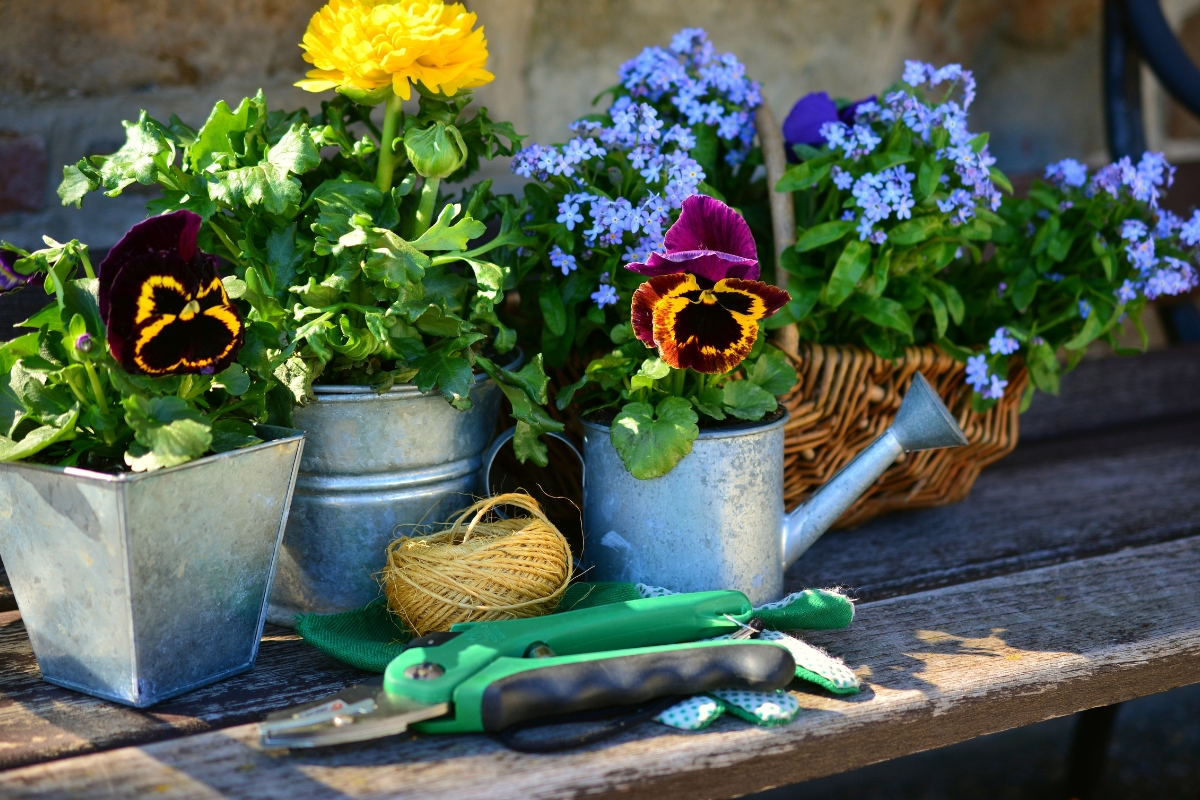
Pruning is essential for keeping your plants healthy and promoting vigorous growth. Remove any dead or diseased leaves and prune your plants as needed. This will improve air circulation and encourage healthy development. Regular maintenance and proper pruning are essential for keeping plants healthy and well-cared for.
Pruning depends on the type of plant and the time of year. In general, the best time to prune is during the dormancy period—typically in winter or early spring, before new growth begins. For flowering plants, the timing may vary: some should be pruned after flowering, while others should be pruned before growth starts. Use clean, sharp tools, such as pruning shears and saws, to make clean, precise cuts. Dirty tools can damage plants and introduce diseases.
For ornamental plants, such as shrubs and bushes, you can prune them to maintain a desired shape. This improves both their appearance and health; however, be careful not to over-prune, as this could harm the plant.
Choose the right pots
Selecting the right pot is more important than you might think. It should have good drainage to prevent water from pooling at the bottom, as this can lead to root rot. Furthermore, the size of the pot should be appropriate for the size of the plant—neither too large (which can cause excess moisture to accumulate) nor too small (which can restrict root growth). Finally, choose materials that harmonize with the style of your garden and are resistant to the weather conditions in your area.
From choosing the right plants to caring for the soil, managing pests, and selecting the ideal pots, every step is important for creating a beautiful and sustainable garden. Whether you are a beginner or an experienced gardener, every step you take brings you closer to a more vibrant and healthy garden. So, don’t hesitate to dive into the world of gardening, experiment, and enjoy the fruits of your labor. Good luck and have fun in your garden!
Your first step in Spain
Adapt your activities to the climate and the space you have in Spain. Consult a local nursery, association, or center when you need guidance, and check the regulations for your municipality or natural area. Do not introduce new species, and do not collect animals or plants on your own. A small, easy-to-maintain project allows you to learn before taking on more materials and responsibilities.
Original article: 2024-09-02. Edition adapted for Spain: 27 October 2026. Read the Greek original. Original author: Eleni Agiou.