When you have a dog, daily life becomes more fun and full of energy. Your dog is your best friend and a companion for many activities—and the best part is that there are so many things you can do together! Here are some ideas for spending quality time with your four-legged friend.
A walk in nature
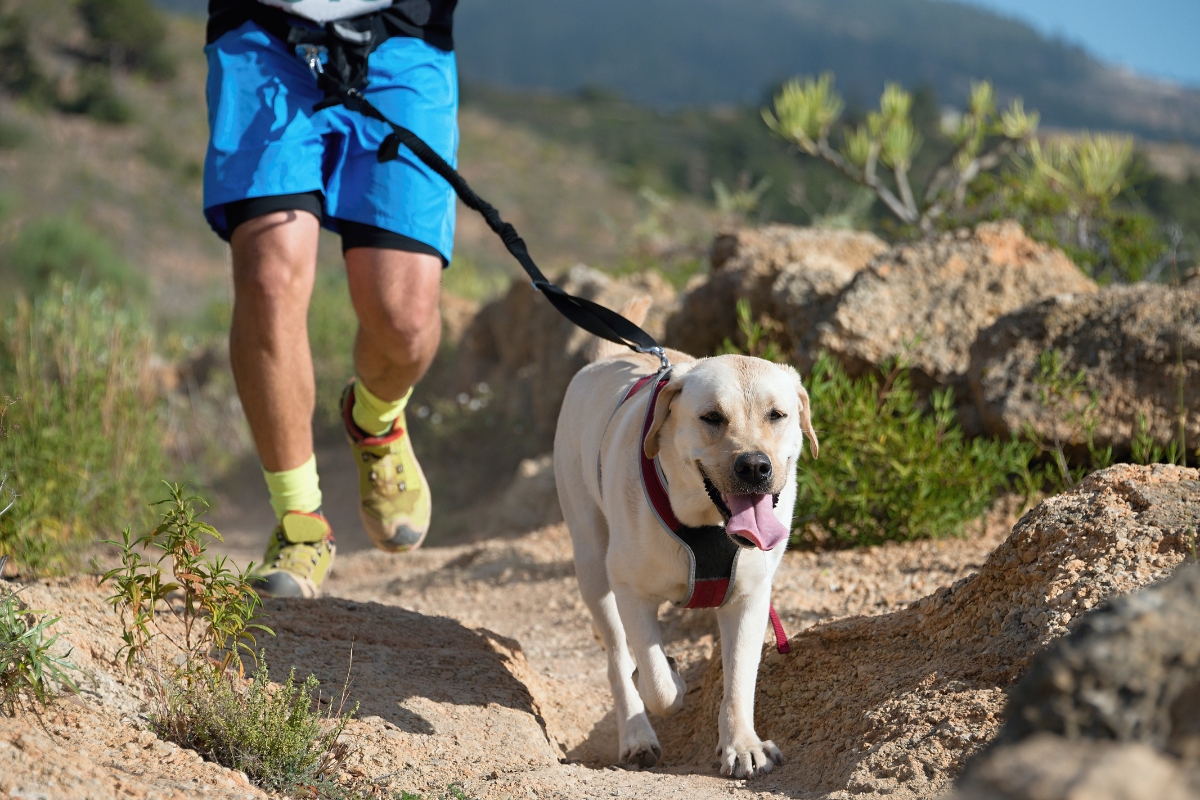
One of the simplest yet most enjoyable activities you can do with your dog is a walk in nature. Whether it’s a nearby park or a mountain trail, your dog will love exploring new places and sniffing everything around them. The variety of sounds, scents, and scenery is truly exciting for them. You can discover beautiful landscapes together, breathe in some fresh air, and get some exercise.
A walk in nature is not only a pleasant activity but also beneficial for your dog’s health. Natural spaces offer the opportunity for more movement, running, and playing, which are essential for physical health. Furthermore, exercise helps maintain an ideal weight and improves overall well-being. At the same time, you can disconnect from your daily routine, relax, and recharge your energy.
It is important to keep a few things in mind before heading out for a walk in nature. First, make sure to bring water for both yourself and your dog, especially if the route is long or the weather is hot. Also, be sure to carry bags to pick up your dog’s waste and keep the environment clean. If you are visiting an area where dogs must be kept on a leash, please follow the rules for the safety of other visitors and the local wildlife.
Competitions and Sports
There are many sports in which dogs can participate, such as Agility, where your dog runs through a course of obstacles. If your dog is energetic and loves to run and jump, this is the ideal activity for you. It provides excellent exercise for both of you and serves as a fun challenge. Begin by introducing your dog to the various obstacles used in agility, such as tunnels, jumps, balance beams, and hoops. At first, let your dog explore the equipment at their own pace. Use treats or toys to show them that the obstacles are safe and fun. Start with low obstacles and encourage your dog to jump over them. Teach your dog to walk through a tunnel by holding a treat or toy at the other end. You can start with a short tunnel and gradually increase its length. Train your dog to walk across narrow balance beams, beginning with low, stable obstacles before moving on to more challenging ones.
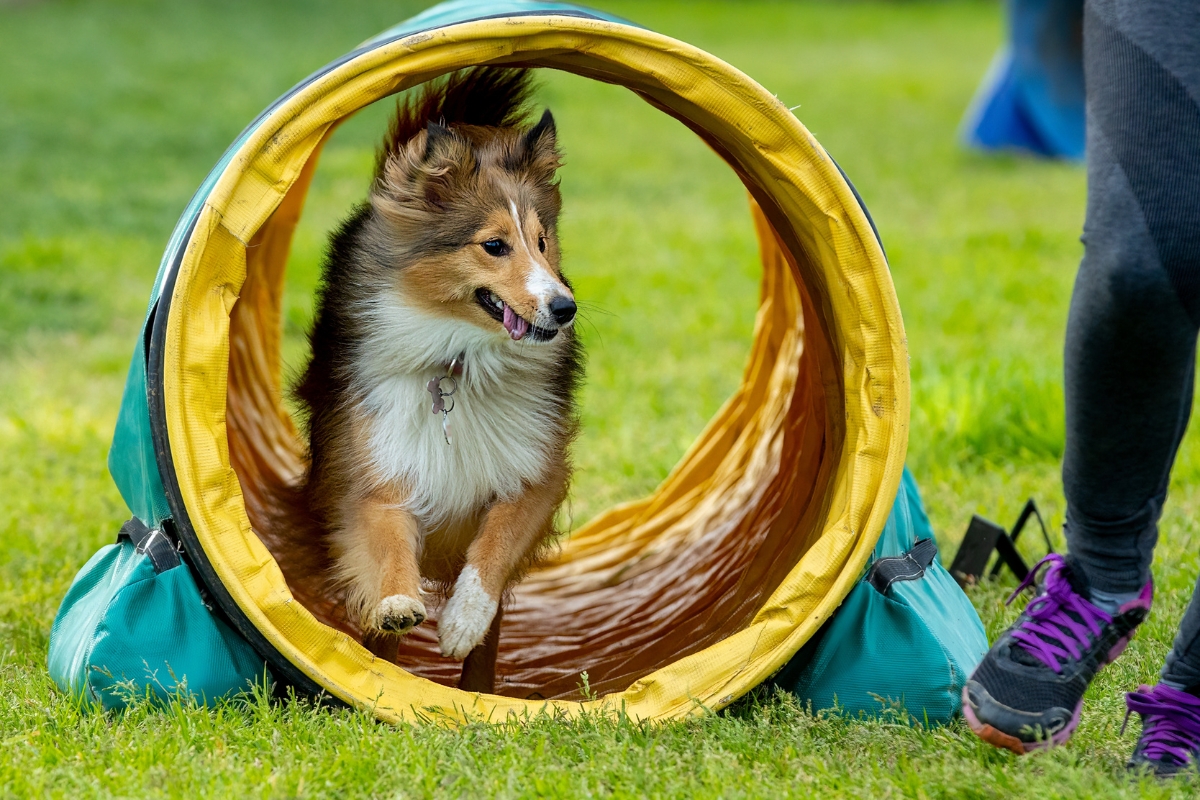
As your dog improves, work on increasing their speed and accuracy. Use praise and toys to encourage them to complete the course quickly and precisely. Pay attention to your cues, as proper guidance is key to helping your dog understand what you want them to do.
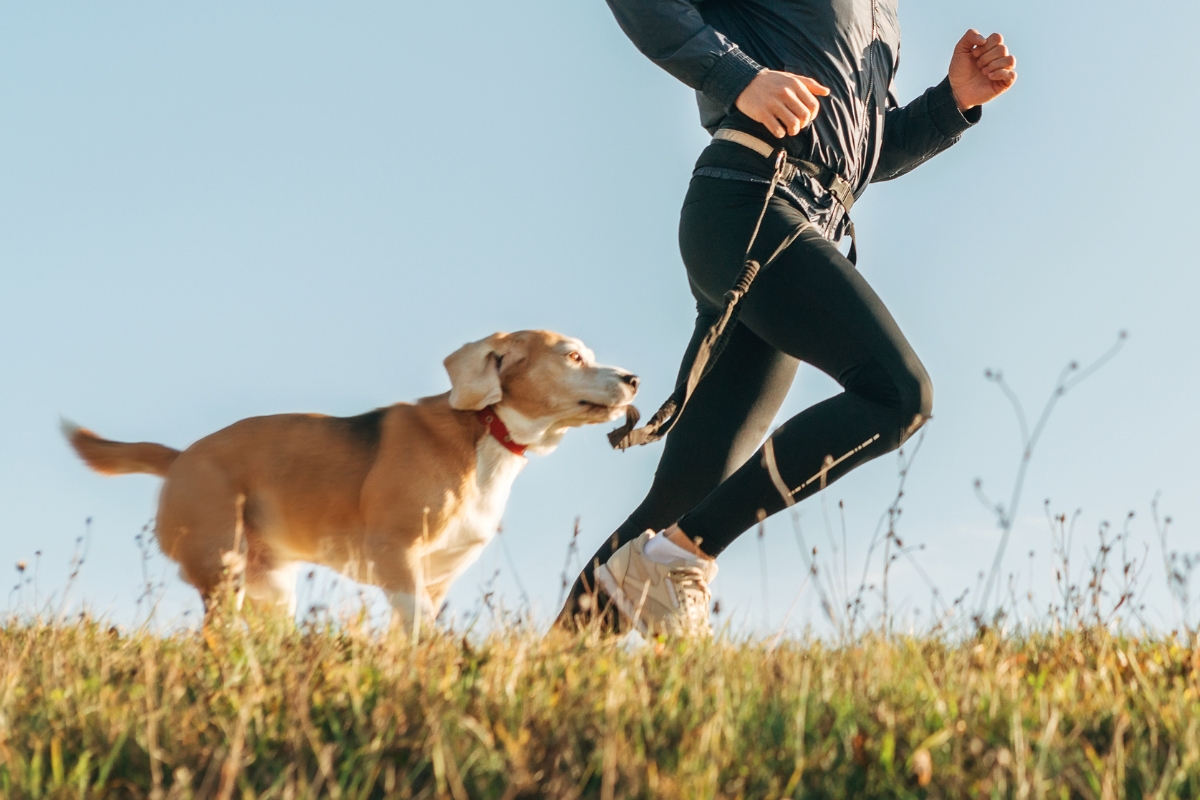
Canicross is a form of running where you run alongside your dog, who is attached to you by a leash worn around your waist. It is an excellent way to exercise together, improve your endurance, and strengthen your bond. Canicross can be practiced on various terrains, including roads, trails, and sand, and offers a unique experience of running as a team.
Before you begin, it is important to train your dog in basic commands and discipline while running. Teach them to respond to simple instructions such as “left,” “right,” “forward,” and “stop.” This will help you navigate paths and turns safely. Your dog should learn to run ahead of you, without stopping or becoming distracted by other dogs or external stimuli. You can use encouragement and treats to keep them focused. With patience, consistency, and plenty of affection, canicross can become one of your favorite activities. It’s a unique experience that brings you even closer together and improves your physical fitness!
Playing with a ball or a frisbee
Games like throwing a ball or a frisbee are classics and favorites for both dogs and humans. You’ll see your dog running happily to catch the ball or frisbee, and it’s an excellent way for them to burn off energy. Plus, you’ll have a great time watching them run around joyfully!
Use a ball that is the right size for your dog’s build and strength. For small dogs, choose smaller balls, while for large dogs, opt for larger, more durable ones. Balls that make sounds or have flavors can make the game even more engaging. Teach your dog to return the ball after catching it. You can do this by using positive reinforcement, such as treats or praise, every time they bring it back to you. Try to vary your playtime routine: throw the ball in different directions, use varying degrees of force, or even hide it so your dog has to search for it.
A Frisbee, on the other hand, is an excellent option if you want to improve your dog’s jumping and running skills. It requires a bit more training than a ball, but the results are impressive. Make sure the Frisbee you use is specifically designed for dogs—made from a soft, durable material that won’t hurt your dog’s mouth. Start with short, low throws so your dog learns to catch it in mid-air. You can encourage them by offering treats or praise each time they successfully catch the Frisbee. As they improve, you can increase the difficulty of the throws by tossing the Frisbee further or higher. Watch as your dog develops their speed and accuracy!
Swimming
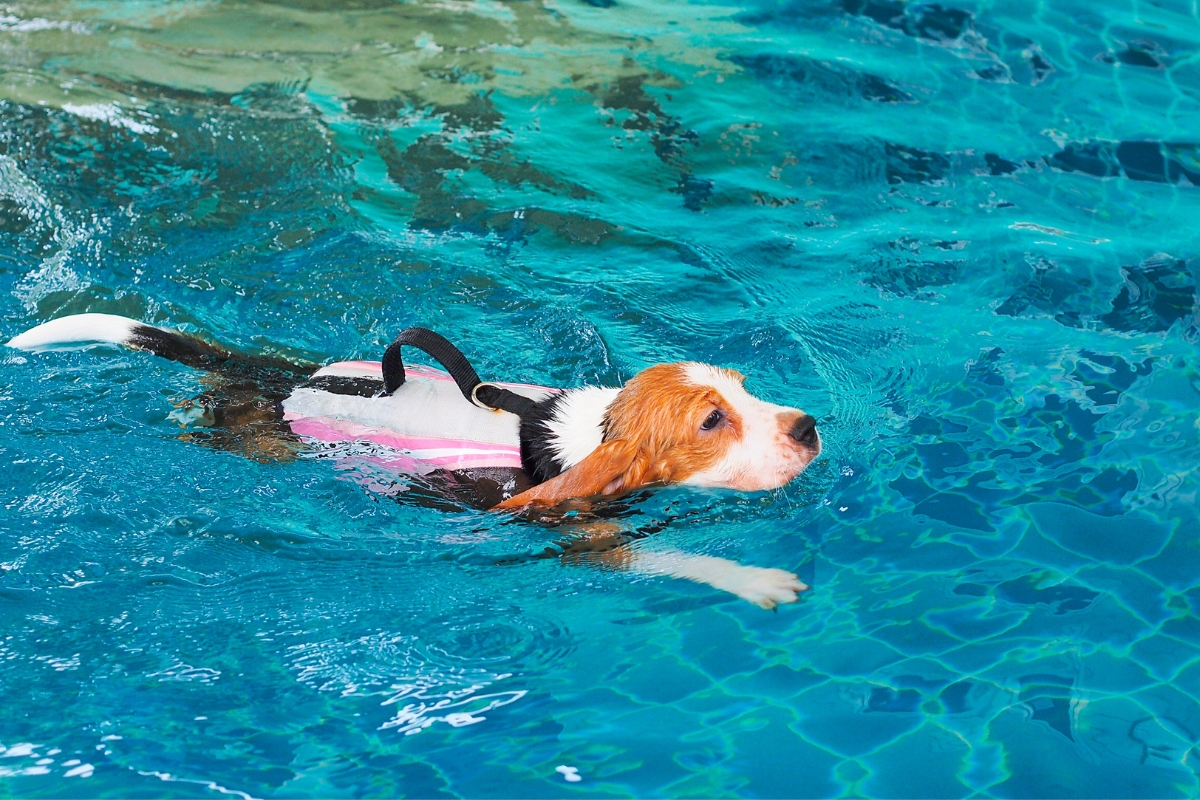
If your dog loves the water, swimming is a fantastic activity. It is a low-impact exercise, ideal for dogs of all ages—especially those with joint issues. Plus, it’s a great way to cool off in the summer!
If your dog isn’t familiar with the water, take it slow. Give them time to explore and get used to it. Choose a shallow area where they can get their paws wet before moving into deeper water. If your dog isn’t an experienced swimmer, or if the water is deep, a life jacket is a good investment. It will help them stay afloat and swim more comfortably. Always supervise your dog while they are swimming; even a good swimmer can have an accident.
Excursions and Trips
Why not take your dog along on your excursions or trips? Nowadays, there are many pet-friendly accommodations and destinations available. You can explore new cities, visit beaches, or enjoy the countryside together. It will be an unforgettable adventure for both of you.
Whether it’s a day trip into nature or a longer journey, the experience will be more enjoyable if you prepare well and follow a few basic tips to keep your dog happy and safe.
Before you set off, make sure to pack the essentials, such as a leash, food and water bowls, dry food or treats, and your dog’s favorite toys to keep them entertained. A portable bed or blanket can also help them feel more comfortable. If you are going on a long trip or traveling to another country, be sure to bring your dog’s medical records along with any necessary vaccines or medications. Additionally, ensure your dog wears an identification tag with their name and your contact information.
When traveling with your dog, consult a professional about the appropriate restraint system for both your pet and your vehicle, and follow the manufacturer’s instructions. A standard walking leash is not a substitute for a proper car restraint system. Plan for breaks, and never leave your pet alone inside a closed vehicle.
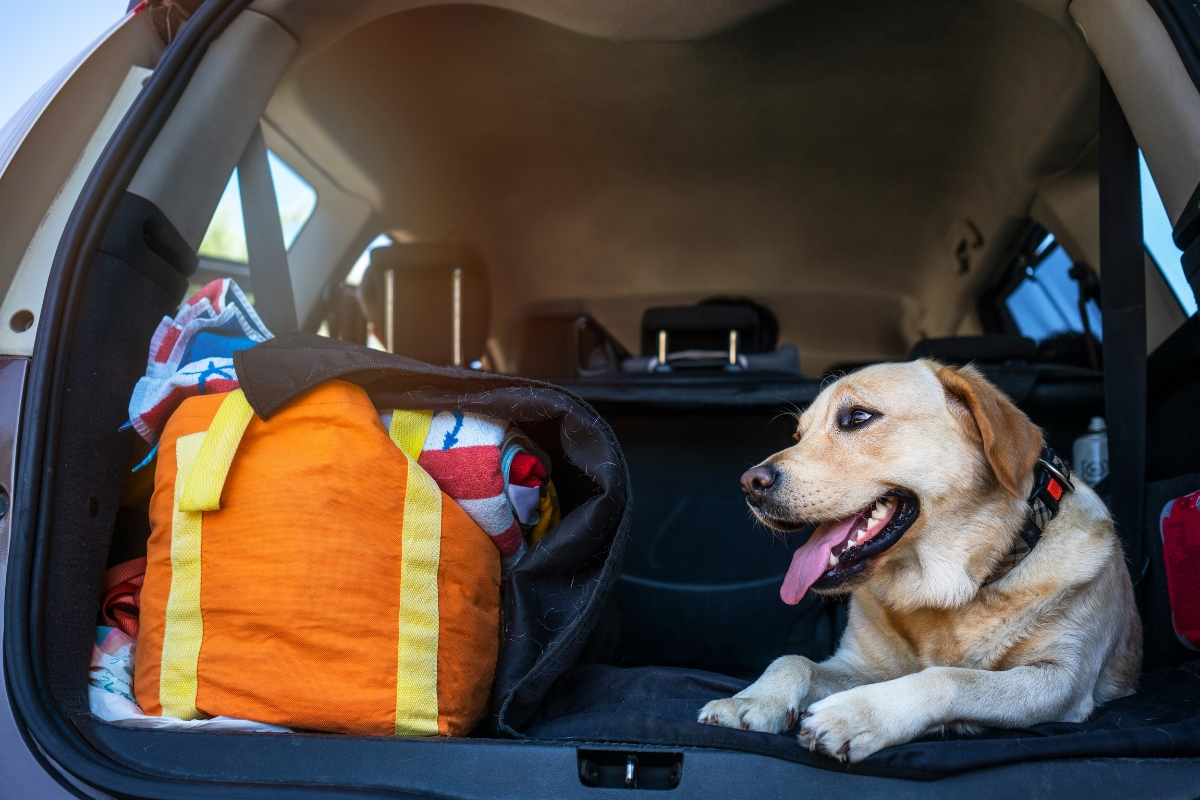
If you are traveling by plane, check the airline’s pet transport policies. Some airlines allow small dogs in the cabin, while larger dogs may need to travel in the cargo hold. If you are traveling to an area with a different climate, consider how your dog will adapt to the new conditions. Cold or heat may affect them differently, so be prepared with appropriate clothing or accessories to keep them protected.
Look for pet-friendly accommodations that offer the necessary amenities. It is advisable to inform the accommodation in advance that you will be traveling with your dog to avoid any unpleasant situations. If you are staying in a rented house or apartment, ensure that the space is secure—and fenced, if there is a yard—so that your dog can move around freely without the risk of escaping.
With a focus on safety, the right gear, and a good attitude, you will enjoy every moment together, creating unforgettable experiences and adventures!
Yoga class with your dog (“Doga”)
Yes, you read that right! “Doga”—or yoga with dogs—is a fun way to exercise while relaxing with your dog. You might not perform every movement perfectly, but you’ll have a great time and further strengthen your bond.
Choose a quiet, clean space where you and your dog can focus without distractions. A yoga mat and a blanket for your dog are all you need to get started. Ensure the space is safe, with enough room to move around comfortably, and has appropriate lighting to create a relaxing atmosphere. Begin by spending a few minutes on deep breathing, either sitting or lying down next to your dog. The sound and rhythm of your breathing can help your dog calm down and relax. You can gently pet your dog or speak to them in a calm voice to help them relax.
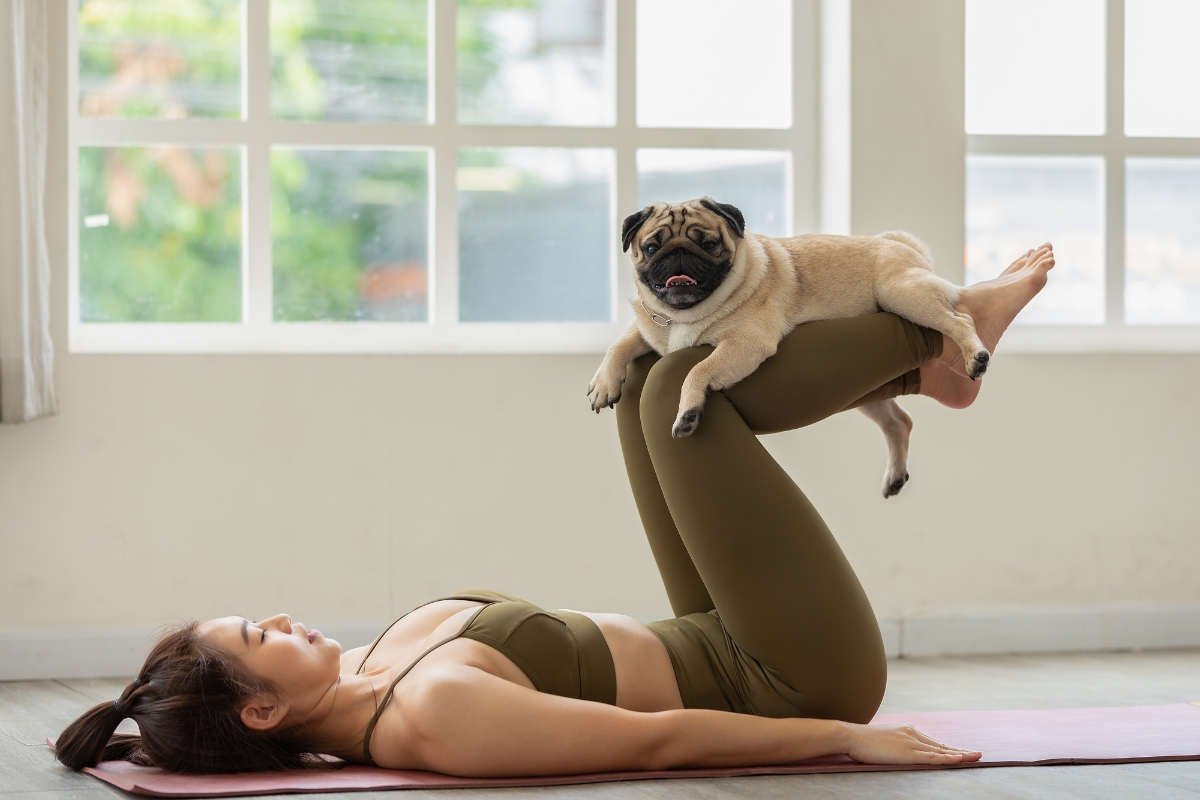
Child’s Pose (Balasana): When you move into this pose, you can invite your dog to lie down in front of you or beside you. If they feel comfortable, they might even come and lie on your back to relax further.
Downward-Facing Dog (Adho Mukha Svanasana): One of the most well-known yoga poses, where you position your hands and feet on the floor, forming an inverted V. Encourage your dog to stand beside you and stretch their body along with you.
Butterfly Pose (Baddha Konasana): While sitting with your legs crossed, invite your dog to sit at your feet or lie down beside you. You can pet them or give them a gentle massage.
Gentle Stretches: You can gently stretch your dog’s legs or front limbs—always with care and without applying pressure. This exercise is beneficial for relaxing their muscles.
Yoga for dogs is a wonderful opportunity to strengthen the bond with your dog, while also improving your own physical and mental health. Give it a try and see how yoga can bring you closer together, both physically and emotionally.
Every activity with your dog is a chance to spend time together and strengthen your bond. Whether it’s something as simple as a walk in the park or a brand-new adventure, what matters is doing it together. Your dog will love it, and you’ll get to enjoy some truly invaluable companionship!
Choose an activity for the particular dog, not the whole species
Age, health, behaviour, training and the environment affect what a dog will enjoy. If you are considering a new or demanding activity, discuss suitability with your veterinarian and an appropriately qualified professional where needed. An enthusiastic description of a sport cannot assess your individual animal.
Before a first organised session
- Ask about vaccination, identification and participation requirements.
- Explain relevant health or behavioural needs honestly.
- Check how dogs are separated or introduced and what handling methods are used.
- Confirm the required equipment and whether the setting is secure.
For a simple outing, choose a route and duration the dog can manage and follow local access rules. Bring water and the relevant supplies, and plan for weather and resting opportunities. Do not make public interaction compulsory; a dog does not need to greet every person or animal you encounter.
Observe the dog’s response rather than trying to finish a human challenge. If it is uncomfortable or struggling, stop and seek appropriate advice. Activities such as agility or water work require their own introduction and setup. A quiet sniffing walk or an appropriate search game can be more rewarding than an ambitious excursion chosen mainly for a photograph.
Editorial revision and practical additions: HobbyDetective. The original publication date is retained. Original Greek article.