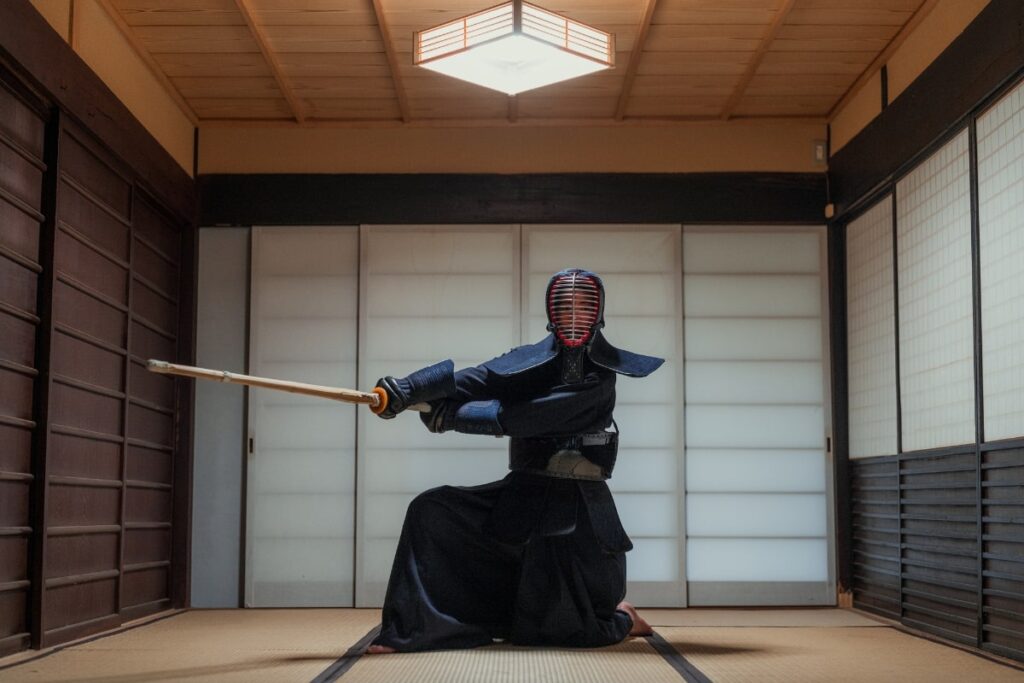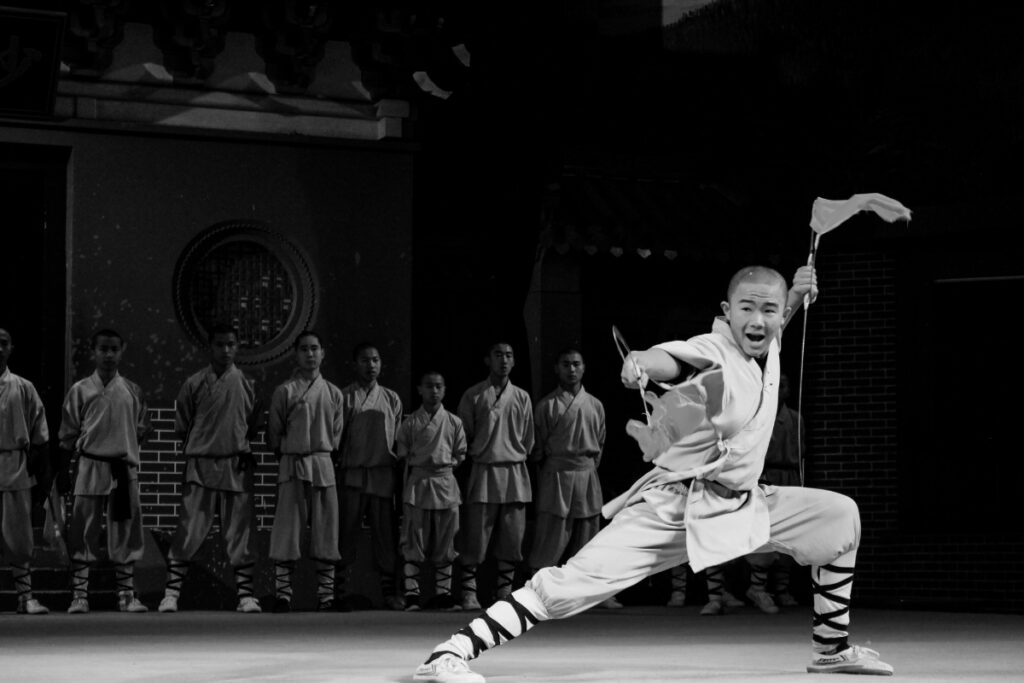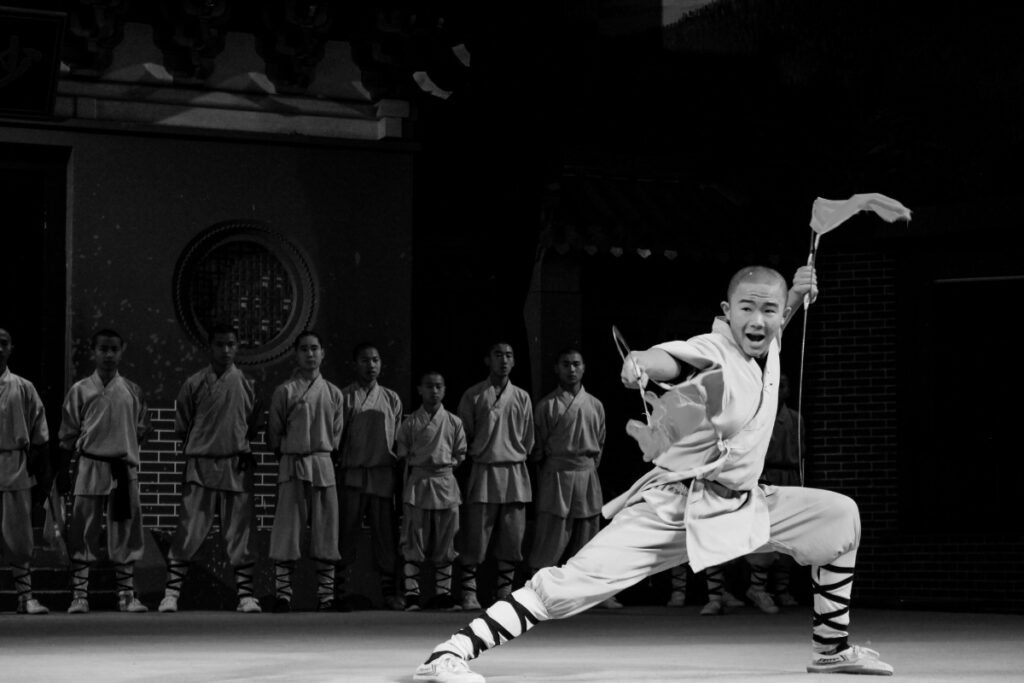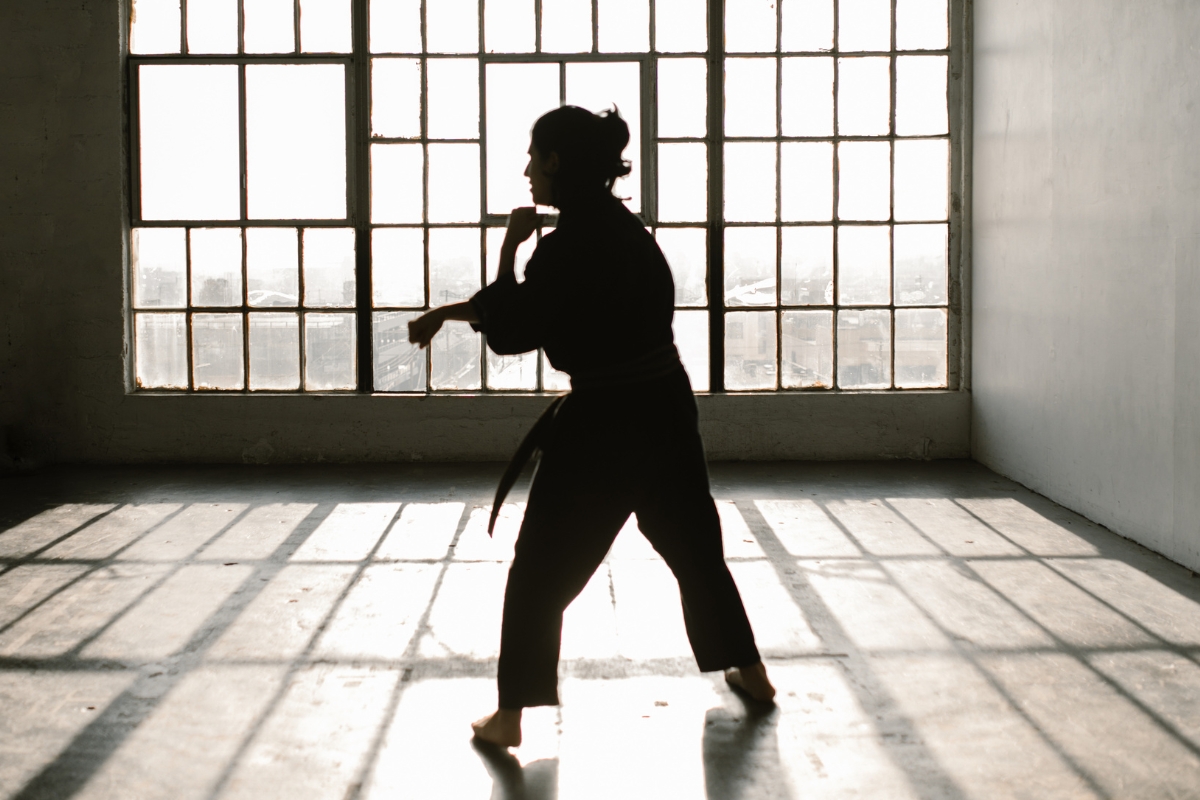
Karate is much more than just a martial art. It is a path of self-discovery and personal development with roots stretching back centuries to the small islands of Okinawa, Japan. Behind every punch and kick lie profound philosophical principles that can transform the way you live.
The history of karate is as fascinating as its techniques. For hundreds of years, the inhabitants of the Okinawan islands developed a unique system of self-defense that combines various traditional martial arts. This was done out of necessity, as the conquerors forbade the locals from using weapons.
From these beginnings, karate gradually spread throughout Japan and, eventually, to every corner of the globe. Today, millions of people around the world learn and practice this ancient art of self-defense.
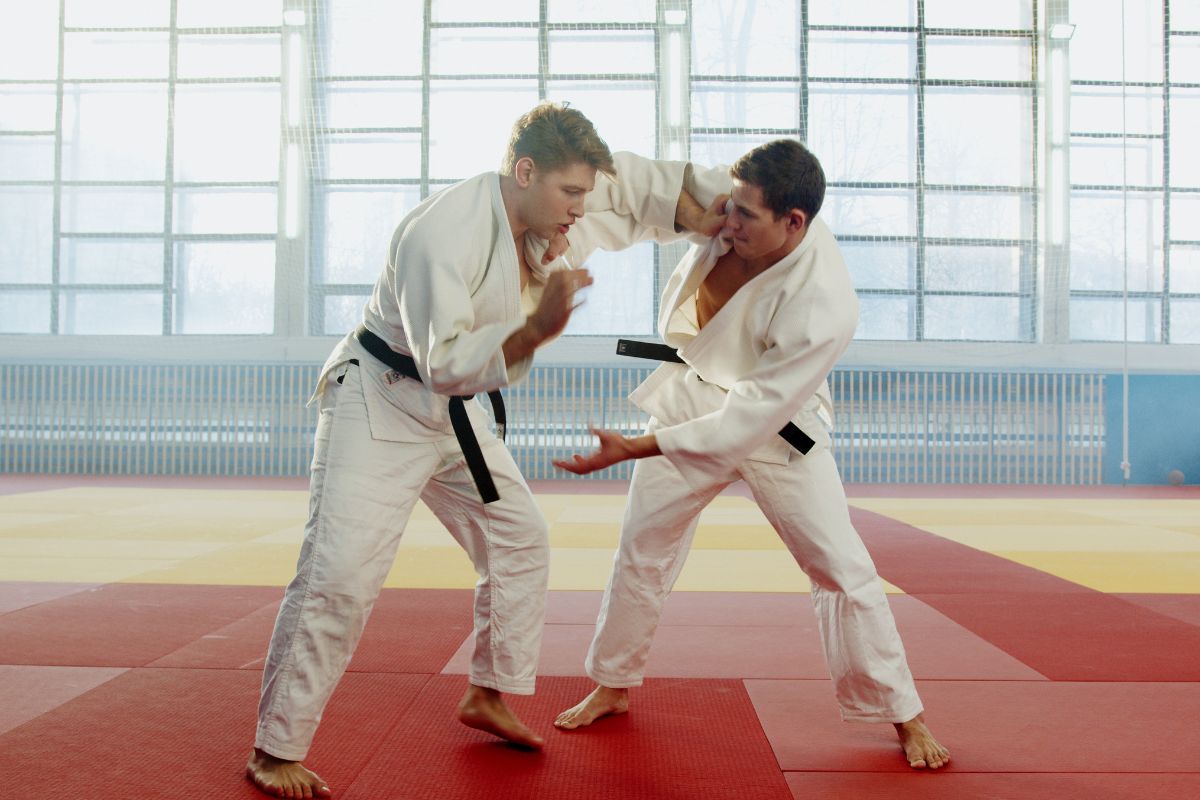
But karate is not just a fighting method. It is an entire code for living—a set of principles and teachings that can guide each of us toward a more balanced and constructive way of being.
Starting with the very meaning of the word “karate”—which translates to “empty hand”— a fundamental principle is the rejection of violence, with its use reserved strictly for self-defense. Karate teaches one never to strike first, but rather to respect all forms of life.
Discipline and perseverance are also vital. Every training session and every repetition of a technique offers an opportunity to push yourself, improve, and transcend your own limits. This mindset can be applied to every aspect of your life.
At the same time, karate requires total concentration and full attention to the present moment. It teaches you to set aside all other thoughts and focus exclusively on your practice. This kind of presence can make any activity more enjoyable and effective.
Respect is also a fundamental value: respect for your instructor, your fellow athletes, your opponents, and, above all, for yourself. By incorporating this respect into your daily life, you will build better interpersonal relationships.
Karate also cultivates humility and an attitude of continuous learning.
No matter how skilled you become, there will always be something new to learn to further your development. This approach opens up new horizons for personal growth in your life.
Other important concepts include the “absence of ego”—which means setting aside selfishness and pride—the principle of *zan shin* (absolute concentration on the here and now), as well as resilience and perseverance, symbolized by the term *gaman*: the ability to keep going even when things get difficult.
Ultimately, the philosophy of karate teaches that acquiring martial arts skills is merely a means toward true self-development. It serves as a tool for personal growth, guiding you toward a more constructive, centered, and resilient existence. Inspired by these timeless values, karate can transform your daily life and lead you to new levels of self-awareness and fulfillment.
Karate is not limited to techniques and training alone. Discipline, focus, and respect are some of the principles you can learn through the practice of a martial art.
If you are interested in seeing how these principles are applied in practice, you can explore various activities, karate schools, and groups on HobbyDetective that offer a completely different approach to training.
HobbyDetective Spain is preparing its community and experiences. Explore what is coming next. HobbyDetective
Your first step in Spain
Look for an introductory session at workshops or cultural centers in your municipality. Compare the techniques being taught, the materials included, the group size, and whether you will be able to complete your project during the class. If practicing at home, start with a small project and purchase only the materials you need; check the manufacturer’s instructions, and ensure proper ventilation and the use of appropriate protective gear for each product.
Original article: 2024-08-09. Edition adapted for Spain: 27 October 2026. Read the Greek original. Original author: Eleni Agiou.