So, you’ve decided to experience the fantastic world of baking firsthand—a world full of flavors, aromas, colors, and plenty of imagination! Baking offers a great way to relax when you’re feeling stressed, and it’s a wonderful way to surprise family and friends whenever you get together for coffee or a meal. The first and most fundamental tool for baking is a good mood—so once you’ve got that, keep reading!
Baking can seem complicated (and, in part, it is), but with the right tools and materials, even beginners can create impressive treats. Below, you’ll find some tools that will become your essential companions for every creation, whether large or small. It’s worth investing in equipment that frees up your hands and makes your time in the kitchen easier.
Precision scale
Measuring ingredients accurately is crucial in baking. A digital precision scale will help you ensure the correct ratio of ingredients and achieve consistent results. With a precision scale, you can be confident that the basic structure of your recipe is sound, significantly reducing the chance of failure.
Measuring cups or spoons
Measuring cups and spoons are essential for measuring small quantities of ingredients, such as spices, vanilla, or baking powder. Choose stainless steel or plastic measuring cups and spoons for greater durability and precision.
Hand mixer or stand mixer
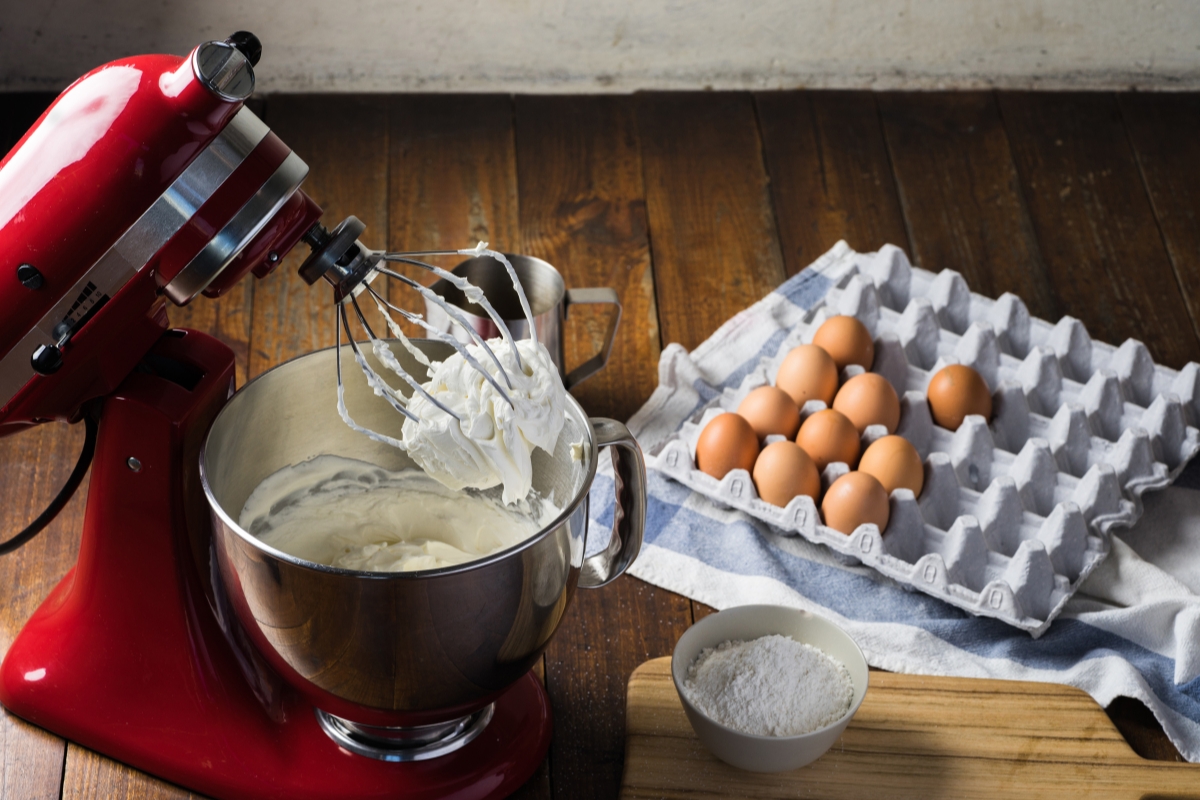
A hand mixer—or, ideally, a stand mixer with various attachments (dough hook, whisk, paddle)—is your best ally for kneading, whipping, and mixing ingredients. You don’t need to invest in an expensive machine to get started, but definitely avoid choosing one that is too cheap; we can assure you that would be a poor choice.
Whisk
A whisk is ideal for beating eggs, cream, and other ingredients that require air to rise.
Rubber spatula
It might seem like an unnecessary tool, but try it once and you’ll be convinced. A flexible spatula helps you easily scrape mixtures from the sides of a bowl and fold ingredients together gently.
Mixing bowl
A set of mixing bowls in various sizes is essential for preparing and combining ingredients. Stainless steel bowls are particularly durable, easy to clean, and preferred for their hygienic properties compared to plastic ones.
Sieve (or sifter)
A sieve is essential for sifting flour, powdered sugar, and cocoa, ensuring that no lumps remain in your mixture. Never underestimate the impact that a lumpy mixture will have on the final result! Many recipes strictly call for the use of sifted ingredients—and that is exactly what you need.
Baking pans and trays
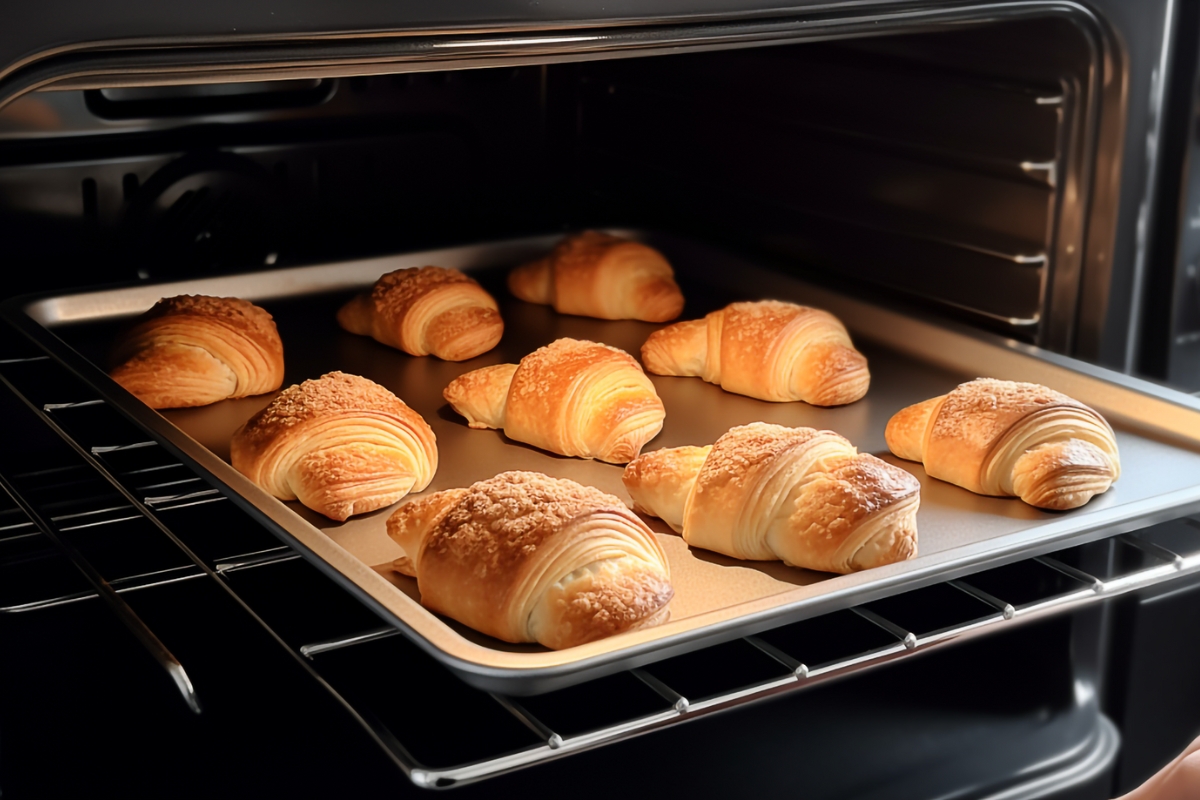
A good non-stick pan is essential for your cookies, cakes, and tarts. As you begin making creations like cakes and tarts, you will come to understand the importance of a high-quality pan. You can find both metal and silicone pans on the market; the choice between them depends on the recipe and your personal preferences. Metal pans offer better thermal conductivity and durability, while silicone pans are easy to clean and exceptionally non-stick.
Plastic tools
A rolling pin is essential for rolling out dough into even layers. They can be made of wood, marble, stainless steel, or silicone—there is no significant practical difference between them.
Pastry thermometer
When preparing items like caramel, meringue, or chocolate, a pastry thermometer ensures precise temperature control. It might not be your top priority when you are just starting out in the world of baking—it is best to begin with simpler recipes—but as you try your hand at more complex creations, you will find that a pastry thermometer is particularly useful.
You’re all set to begin!
These are the basic tools you will need to take your first steps into baking—tools that will help you feel more comfortable and confident as you follow each recipe. In baking, as in many other arts, the beginning can be full of challenges, but also highly rewarding. And remember: in baking, precision, proper preparation, and patience are the keys to success!
We wish you wonderful creations, full of inspiration and creativity!
HobbyDetective Spain is currently developing its community and catalog of experiences. In the meantime, use these ideas to explore local options, and be sure to verify the latest details directly with each organizer.
Your first step in Spain
Choose a recipe or an experience that you can prepare using products available near home. Check the ingredients and allergens, and confirm the details directly with the organizer before booking any workshop or visit. If you are planning an activity with friends, agree on a budget and discuss any dietary requirements. Experiences involving alcoholic beverages are for adults; however, you can also explore a wide range of flavors and aromas through non-alcoholic options.
Original article: 2024-08-13. Edition adapted for Spain: 27 October 2026. Read the Greek original. Original author: Eleni Agiou.