If you are passionate about food and enjoy trying new flavors and exploring different cultures, then culinary adventures are the next experience you should add to your list! Let’s look at what exactly culinary adventures are, how you can get started, and what you can expect from this highly rewarding journey.
What are culinary adventures?
Culinary adventures are exactly what the name suggests: an adventure through the world of food! It involves exploring new flavors, ingredients, and recipes from various cultures and regions. This could mean seeking out the best street food in your own neighborhood or traveling to other countries to sample local specialties.
The philosophy behind a culinary adventure is to step out of your comfort zone and dare to discover new flavors—things you might never have imagined you would enjoy. It is an exciting and often eye-opening experience that not only brings you closer to other cultures but also broadens your culinary horizons.
How can you begin your own culinary adventure?
You don’t have to go very far to start your journey. Here are some ideas to get you started:
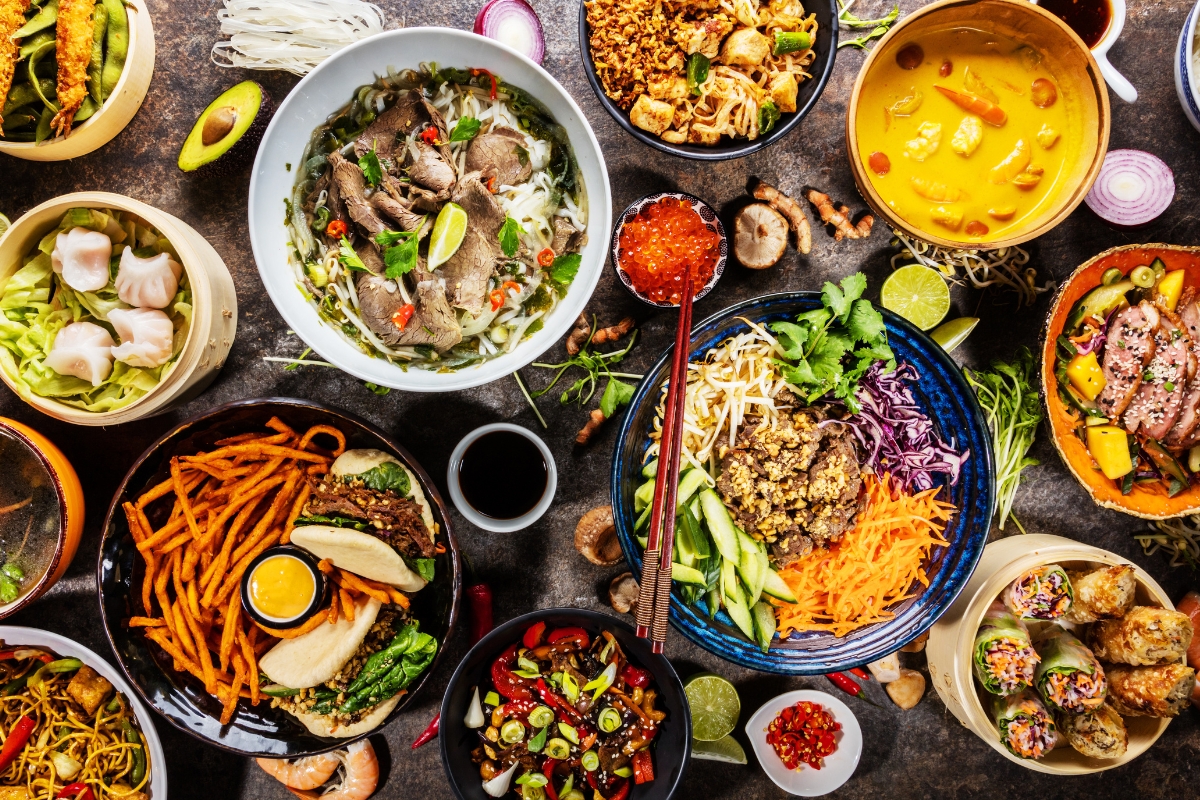
- Try a new restaurant or cuisine: If you’re used to eating the same things all the time, it might be time to look for a restaurant serving food from a country you’ve never tried before. Have you ever had Thai, Vietnamese, or Peruvian cuisine?
- Discover local products: Visit a local market or shops that sell traditional products from different countries. Find fruits, vegetables, or spices you’re unfamiliar with and experiment with them in your own kitchen.
- Take a food tour of your city: Many cities offer organized food tours, where you can visit various shops and sample the region’s signature flavors. It’s a fantastic way to uncover the city’s hidden gems and meet people who share your passion for food.
- Try street food: Whether you’re traveling or in your own city, street food is the heart of local culture. From tacos in Mexico to the best souvlaki in Greece, every country has its own favorite street foods that are well worth discovering.
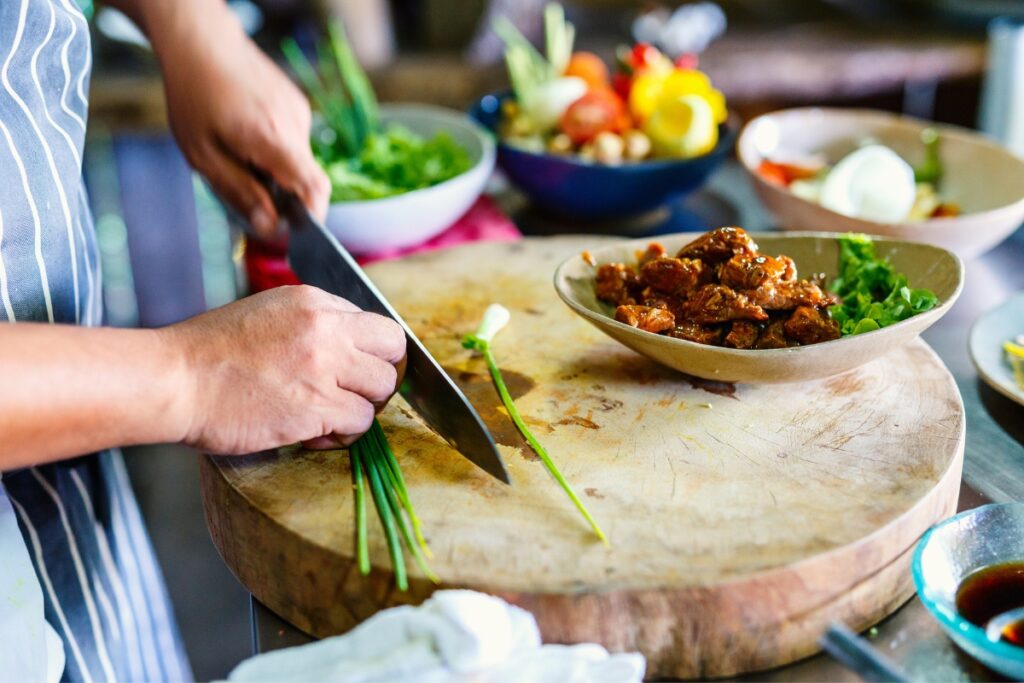
- Prepare dishes from other cuisines at home: If you love to cook, you can choose a recipe from a foreign cuisine and try preparing it yourself. It’s a great opportunity to learn something new and add your own personal touch to familiar recipes.
Why embark on culinary adventures?
Beyond expanding your palate, culinary adventures connect you with new people and cultures. Every dish has its own story, and often, through food, you can gain a deep understanding of a place’s lifestyle and traditions.
Culinary adventures can also be an experience of self-discovery. The more you try and explore, the better you’ll understand what you truly enjoy and what makes you feel good.
How to discover more about culinary adventures
There are countless ways to find information and inspiration for culinary adventures:
- Follow food bloggers and vloggers: On Instagram, YouTube, and other social media platforms, you’ll find people documenting their experiences and recommending new dishes and destinations.
- Attend local food events: Wine tastings, food festivals, and similar events offer you the opportunity to sample a wide range of flavors in a single day and learn directly from the producers.
- Download food apps: Apps like Yelp and TripAdvisor provide reviews and recommendations from fellow food lovers regarding the best places to eat in any given city.
- Read cookbooks from different cuisines: Cookbooks can be a source of inspiration, as well as a way to gain knowledge about traditional foods and cuisines from around the world.
A gastronomic adventure is an escape from your daily routine and a way to discover the world through what’s on your plate. If you haven’t tried it yet, now is the perfect time to begin this delicious journey. Who knows? Perhaps the next flavor you taste will become your new favorite!
Give a food adventure a clear, manageable theme
Choose one question: how a bread is made, how a local cheese is served or how two versions of a dish differ. A small theme encourages observation and conversation without requiring a long list of restaurants or an expensive tasting menu.
Research the particular venue’s current hours and booking arrangements directly. Ask about ingredients and allergens before ordering or joining a workshop; a dish’s familiar name does not guarantee an identical recipe. If cross-contact matters, explain the requirement clearly and ask whether the organiser can meet it.
Keep a useful food notebook
Record the dish’s name, where and when you tried it, and what you noticed about texture, aroma and preparation. Separate a cook’s explanation from your own impression. If an unfamiliar ingredient interests you, ask its name rather than guessing from appearance.
Respect the setting and ask before photographing people or a working kitchen. Do not treat a culture’s everyday food as a challenge to endure, and avoid describing one encounter as the only authentic version. At home, choose a manageable recipe from a reliable source and follow appropriate food-safety guidance. The next adventure might be revisiting one ingredient with more understanding, rather than searching for something increasingly extreme.
Related reading
- How cooking can provide the relaxation you need
- A Love for Cooking: How to Improve Your Health by Preparing Wholesome Meals
Editorial revision and practical additions: HobbyDetective. The original publication date is retained. Original Greek article.