Do you remember the last time you wrote something by hand? What did your letters look like? Were they clear, or difficult to read? In an era dominated by typing, calligraphy reminds us of the value of slow, mindful writing. For calligraphy is not merely a way of writing; it is a philosophy of life—an art form.
Calligraphy is more than just a way to put words on paper; it is a means of giving voice to creativity, transforming everyday writing into art. This process demands dedication and patience, inviting the practitioner to relax and connect with the present moment—much like in meditation. Each stroke of the pen across the paper offers a sense of calm that is particularly comforting in today’s world. Like painting or music, calligraphy serves as a vehicle for creative freedom; it possesses its own distinct character, varying from one person to another.
Historical Background
Calligraphy boasts a long and rich history, tracing back to ancient civilizations and evolving over the centuries.
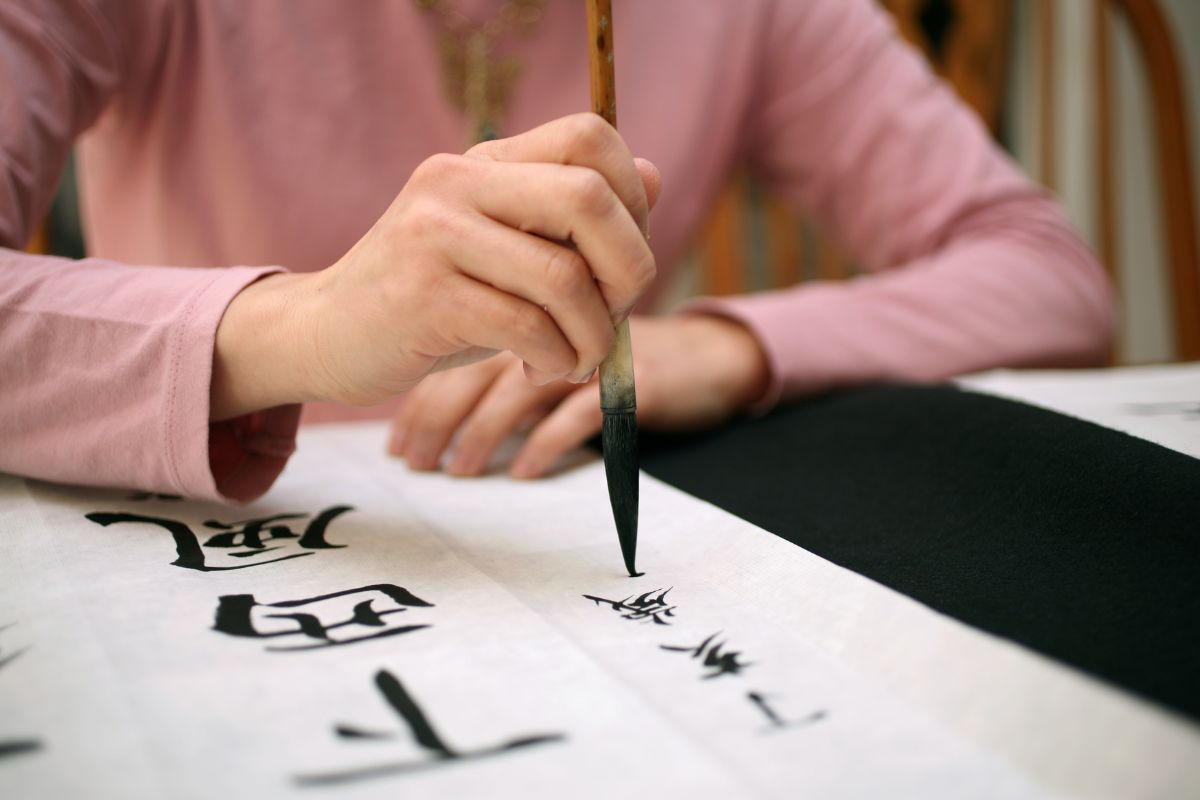
In ancient China, calligraphy was regarded as one of the highest art forms, deeply intertwined with philosophy and spirituality. Developed using a brush and ink, each stroke was believed to express the artist’s character and state of mind.
In ancient Greece and Rome, the art of writing was essential for recording knowledge. During the late Roman Empire and the Middle Ages, various calligraphic styles—such as Gothic and Latin scripts—emerged and were employed in the creation of manuscripts.
During the Middle Ages, calligraphy developed further in European monasteries, where monks created elaborate manuscripts featuring artistic lettering and decorative elements—known as Latin “illuminated manuscripts.”
During the Renaissance, calligraphy experienced a resurgence with the introduction of new styles, such as cursive; meanwhile, Japan and the Arab world developed calligraphic traditions of great artistic value that are still preserved today.
Below, we offer some tips to help you discover the wonderful world of calligraphy and put your skills to the test.
Start with the right tools
To begin, you can simply use a pen with a flexible, soft nib—an easy-to-use tool for your first attempts. Choose paper that doesn’t absorb too much ink to avoid smudges and achieve a cleaner result.
Learn the basic strokes
Calligraphy requires good control over the pressure applied to the pen on the paper. Experiment with the amount of force you use: less pressure for thin lines, more for thick ones. The correct angle (usually 45 degrees) can make a significant difference in the consistency of your lines.
Practice thoroughly
Before you start writing full letters or words, try practicing with simple lines, curves, and circular shapes. This will accustom your hand to the movement and help you gain precision.
Look for inspiring examples
Find examples of calligraphy that impress you and copy them. Copying is an excellent method for eventually discovering your own personality on the page and developing your own unique style. Repeated practice with the same letters will help you gain stability and confidence.
Why dedicate time to calligraphy nowadays? In a fast-paced world, calligraphy invites us to slow down, feel every letter, and rediscover the pleasure of writing.
Your first step in Spain
Look for an introductory session at workshops or cultural centers in your municipality. Compare the technique being taught, the materials included, the group size, and whether you will be able to finish your piece during the class. To practice at home, start with a small project and buy only the materials you need; check the manufacturer’s instructions, as well as the proper ventilation and protective measures required for each product.
Original article: 2024-08-14. Edition adapted for Spain: 27 October 2026. Read the Greek original. Original author: Eleni Agiou.