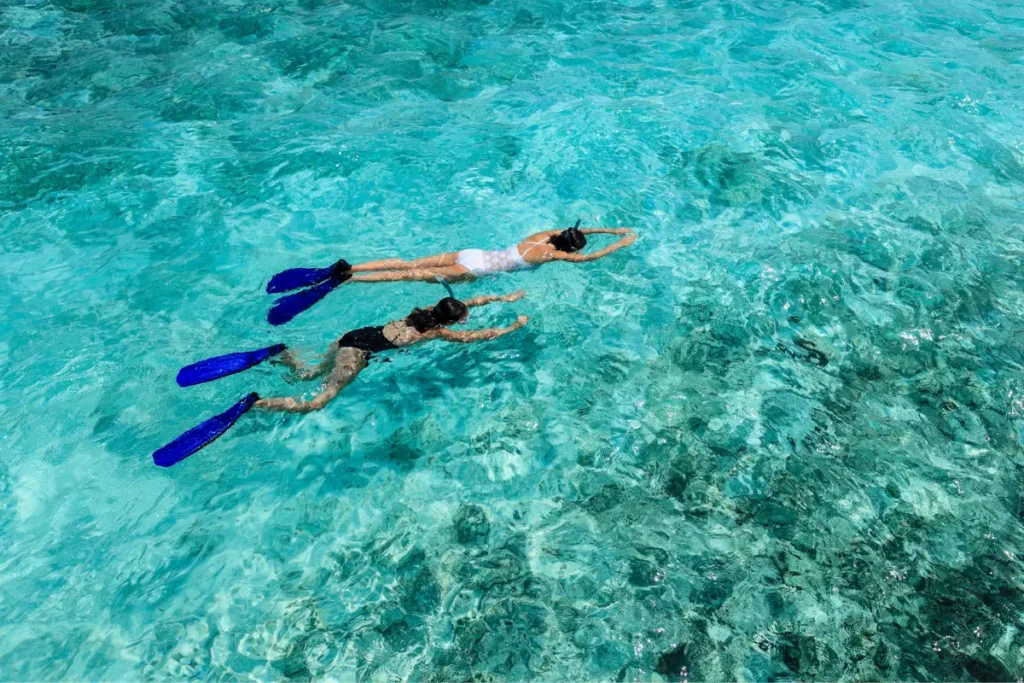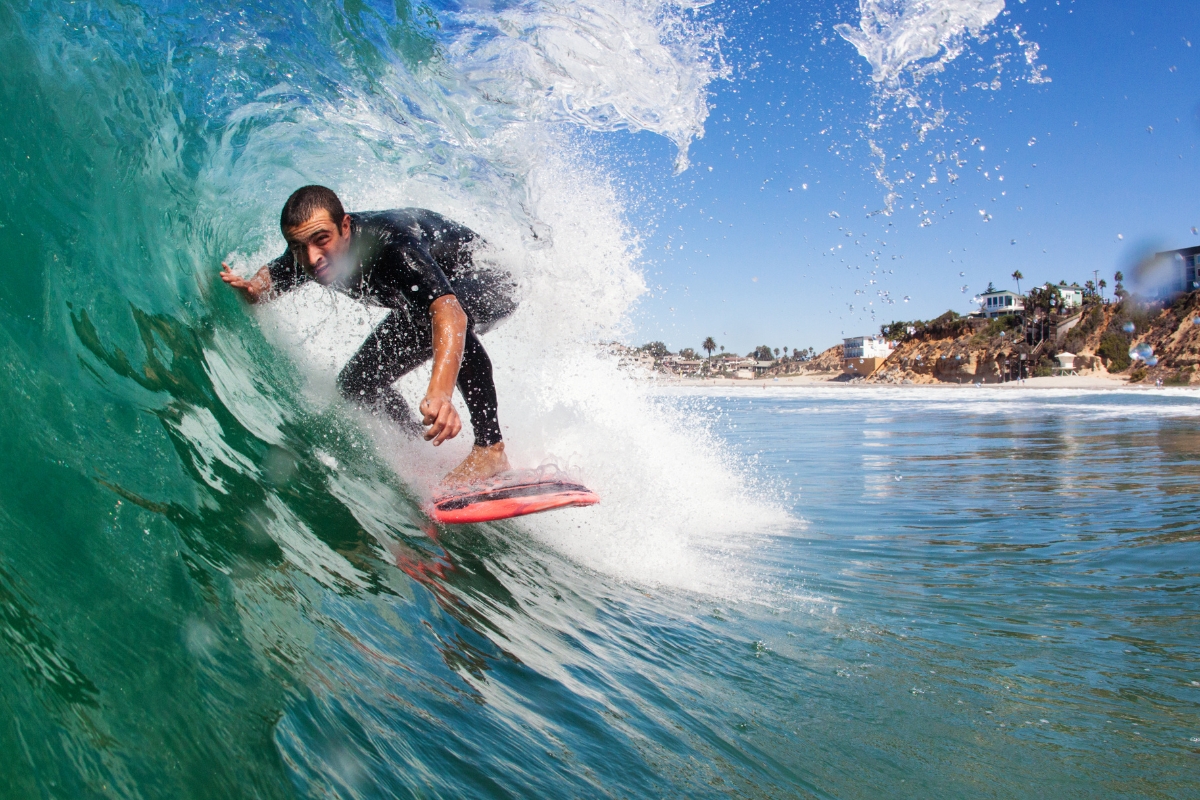
Let’s talk about surfing. Surfing is an exciting sport that combines the power of the sea with human skill. If you are a beginner, this guide will teach you everything you need to get started on your surfing adventure.
Why take up surfing?
Surfing is more than just a sport; it’s a lifestyle. It offers:
- Physical exercise: It provides a full-body workout, improving strength, balance, and endurance.
- Mental well-being: Connecting with the sea and nature reduces stress and boosts your mood.
- Socializing: You’ll meet people with similar interests and become part of a unique community.
- Adventure: Every wave is a new challenge and an opportunity for exploration.
Basic equipment for beginners
Before you go surfing, you will need the right equipment:
- Surfboard: For beginners, a large, stable foam board is recommended.
- Wetsuit: This will keep you warm and protect you from abrasions.
- Wax: Applied to the board for better grip.
- Leash: The cord that connects the board to your ankle.
- Sunscreen: Essential for protecting your skin.
First steps on the sand
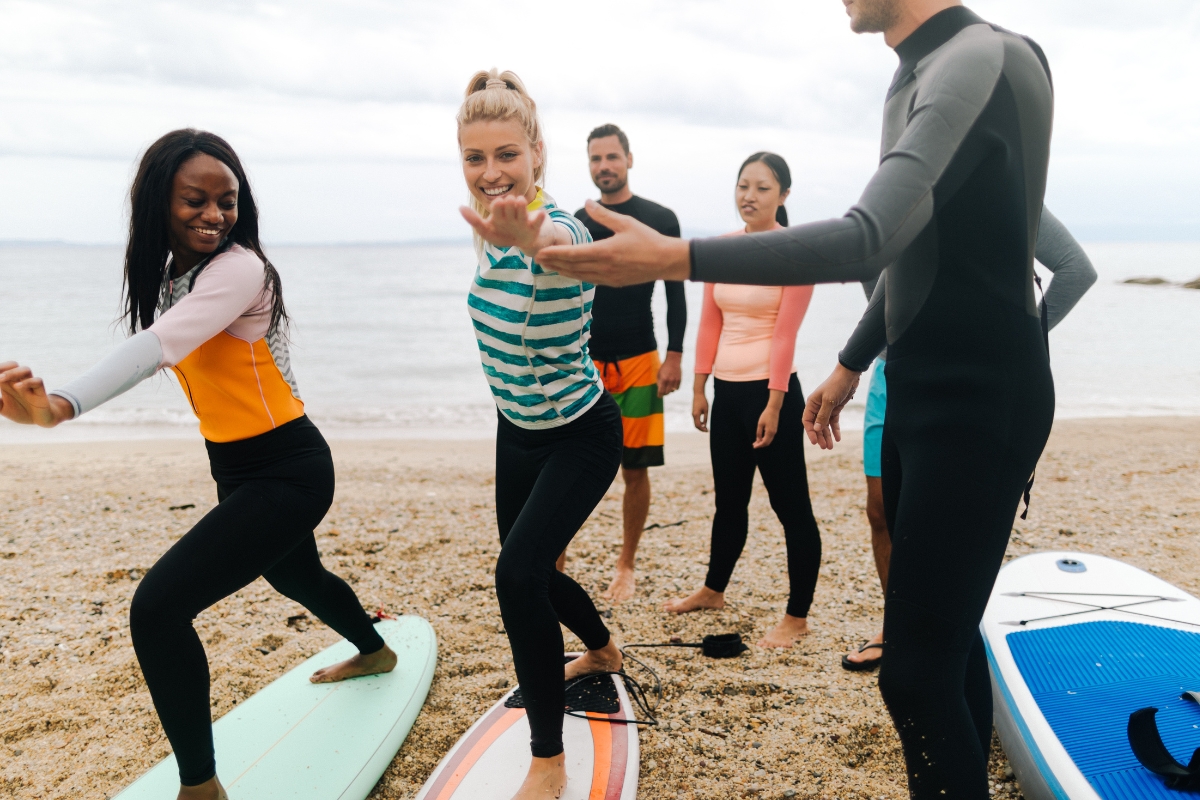
Before entering the water, it is important to get familiar with your board on dry land:
- Board positioning: Practice lying on the board in the correct position.
- Paddling: Learn the paddling technique by practicing the movements on the sand.
- Standing up: Practice quickly moving from a lying position to a standing position.
Basic safety rules
Safety should always be your priority:
- Learn how to swim well before attempting to surf.
- Be mindful of the weather conditions and currents in the area.
- Never surf alone, especially if you are a beginner.
- Respect other surfers and the rules of wave priority.
Your first lessons
The best way to start is with an experienced instructor:
- Choose a reputable surf school in your area.
- Instructors will teach you basic techniques and safety rules.
- They will provide you with the appropriate equipment for beginners.
- They will help you choose the right conditions for your first experience.
Understanding waves
To become a good surfer, you need to learn how to “read” the waves:
- Learn to recognize different types of waves.
- Understand how the wind and the seabed affect the waves.
- Practice identifying the right place and moment to catch a wave.
Basic Surfing Techniques
As you improve, you will learn various techniques:
- Paddling out: How to paddle effectively to reach the surf zone.
- Diving under waves: A technique for getting beneath the waves.
- Catching waves: How to synchronize with a wave and catch it at the right moment.
- Turning: Basic techniques for changing direction while on a wave.
Physical Fitness and Preparation
Surfing requires good physical fitness. Here are some tips:
- Improve your endurance through swimming and paddling.
- Strengthen your core with exercises like planks and abdominal crunches.
- Improve your flexibility through yoga or stretching.
- Don’t forget the importance of proper nutrition and hydration.
Surf Etiquette: The Unwritten Rules
There is a code of conduct in the water that you should respect:
- The surfer closest to the peak of the wave has the right of way.
- Don’t steal other surfers’ waves.
- Help other surfers if they run into trouble.
- Respect the environment and keep the beaches clean.
How to face fears and challenges
It’s normal to feel fear or anxiety at first:
- Start with small, gentle waves and progress gradually.
- Don’t compare yourself to more experienced surfers.
- Focus on having fun rather than perfection.
- Celebrate your small successes.
Continuous development and improvement
The surfing journey never ends:
- Watch videos featuring techniques and tips from professionals.
- Keep taking lessons to improve your technique.
- Travel to different surf spots to gain varied experiences.
- Participate in local competitions to put your skills to the test.
Equipment Maintenance
Proper care of your equipment is important:
- Rinse your board and wetsuit with fresh water after every use.
- Inspect your board regularly for any damage.
- Store your equipment in a cool, shaded place.
- Replace the wax on your board regularly for better grip.
In Summary
Surfing is an exciting adventure that combines physical exercise, mental well-being, and a connection with nature. With patience, perseverance, and passion, you will discover a whole new world on the waves. Remember, every great surfer started as a beginner. So, grab your board and begin your surfing adventure!
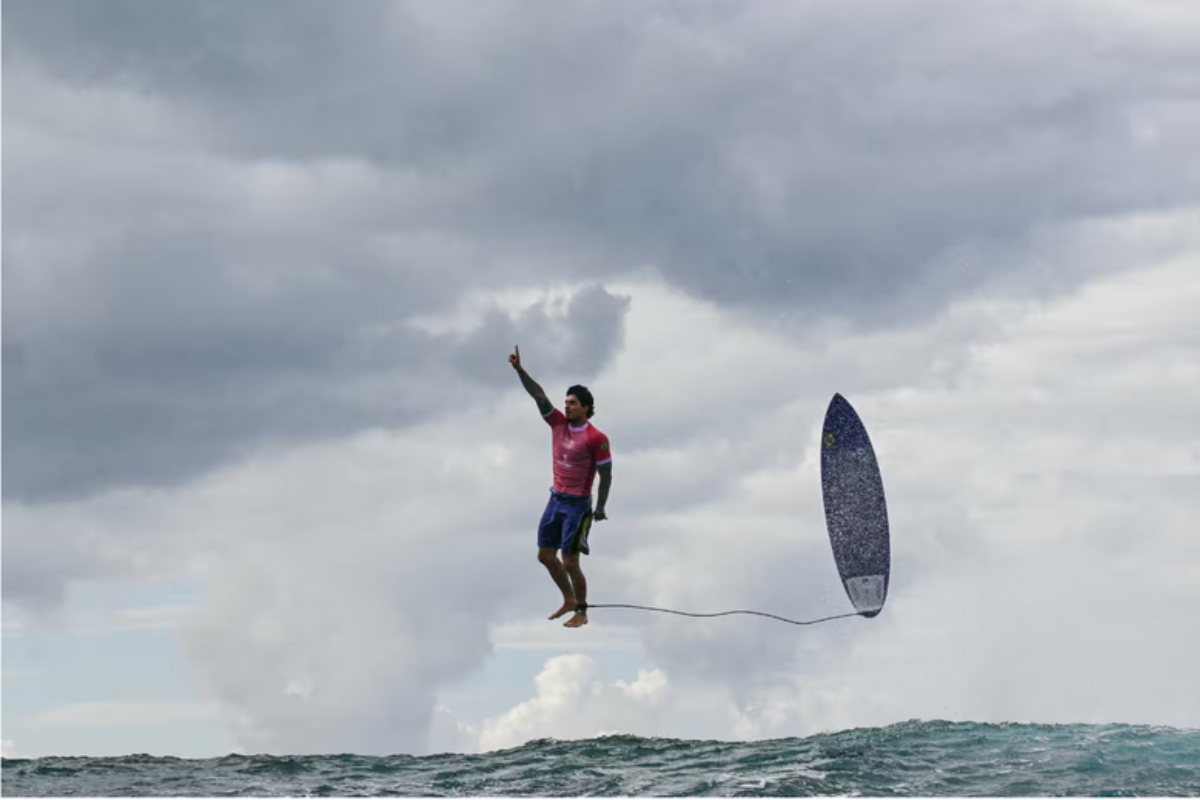
Bonus Photo
Have you seen Jerome Brouillet’s photo of Brazilian surfer Gabriel Medina at the 2024 Olympic Games?
Your First Step in Spain
Look for an introductory activity near you and ask about the experience before booking. Confirm what equipment is provided, check the requirements, and verify insurance coverage and the policy for bad weather. If the activity takes place outdoors, check the specific warnings and restrictions for that location—coastal areas, inland regions, and islands all have different conditions. Choose an activity based on your own preparation level and the guidance of professionals, rather than just a photograph or a difficulty label.
Original article: 2024-08-19. Edition adapted for Spain: 27 October 2026. Read the Greek original. Original author: Eleni Agiou.