It is well known that music is an art form expressed through an infinite number of shapes and sounds. While classical instruments—such as the guitar, piano, and violin—are widely used and appreciated, there exists a fascinating world of unusual musical instruments that can offer unique sonic experiences.
If you are reading this article, it means you are looking to try something different, add a unique touch to the music you listen to, or are simply interested in the magical world of music.
The alternative instruments we are about to introduce deserve your attention; they promise to open up new paths filled with creativity and inspiration.
Theremin
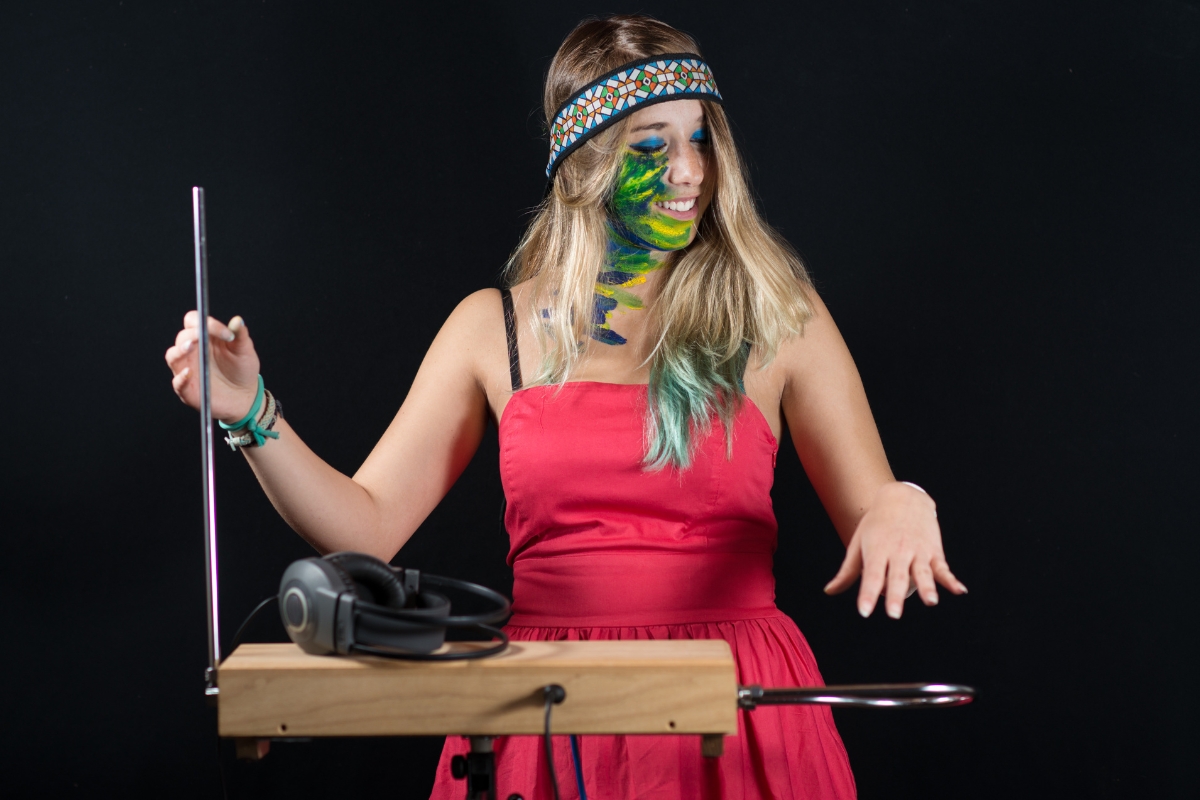
The theremin is one of the most unusual and fascinating musical instruments ever created. As one of the first electronic musical instruments, it is played without any physical contact—truly impressive! It was invented in 1920 by the Russian physicist Léon Theremin (also known as Lev Termen). It is played by positioning one’s hands near two antennas to control the pitch and volume, producing an ethereal, floating sound that has been featured in various musical genres—from classical music to science fiction soundtracks.
The performer controls the pitch by moving one hand closer to or further from the vertical antenna, while the volume is controlled by moving the other hand in relation to the horizontal antenna.
Learning to play the theremin can be difficult due to the need for extremely precise spatial control of the hands. The lack of a physical reference point makes it challenging to control pitch and volume accurately, requiring excellent auditory perception and steady hands. Many modern theremin players have developed special techniques to achieve greater precision.
Hang Drum
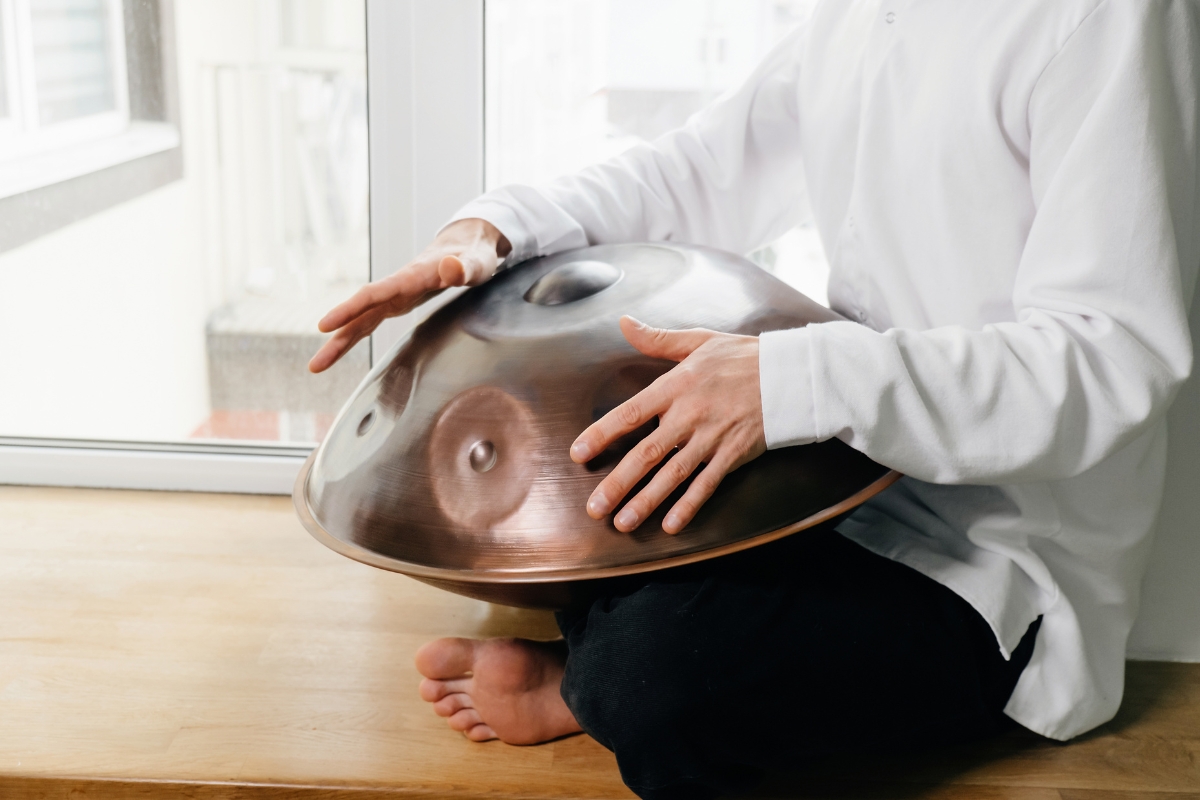
The Hang Drum (or simply “Hang”) is a metal musical instrument developed in Switzerland in the year 2000 by Felix Rohner and Sabina Schärer, members of the company PANArt. It is a percussion instrument with a unique design and sound that quickly gained worldwide popularity due to its distinctive sonic quality and the ease with which it can be played. Its sound is relaxing and ethereal, making it ideal for meditation and improvisation.
It consists of two metal hemispheres joined together, forming a closed, hollow body. The top section features several custom-shaped areas that produce different notes when struck. Typically, the Hang drum has a central note (known as the “Ding”) located in the middle, surrounded by seven or eight other notes.
Due to its immense popularity and limited production, the Hang drum is an expensive instrument, and many imitations have appeared on the market. However, these imitations often do not offer the same sound quality as an authentic hang drum.
Its sound quality and ease of play make it ideal for musicians of all levels, serving as a bridge between the traditional and the modern.
Kalimba
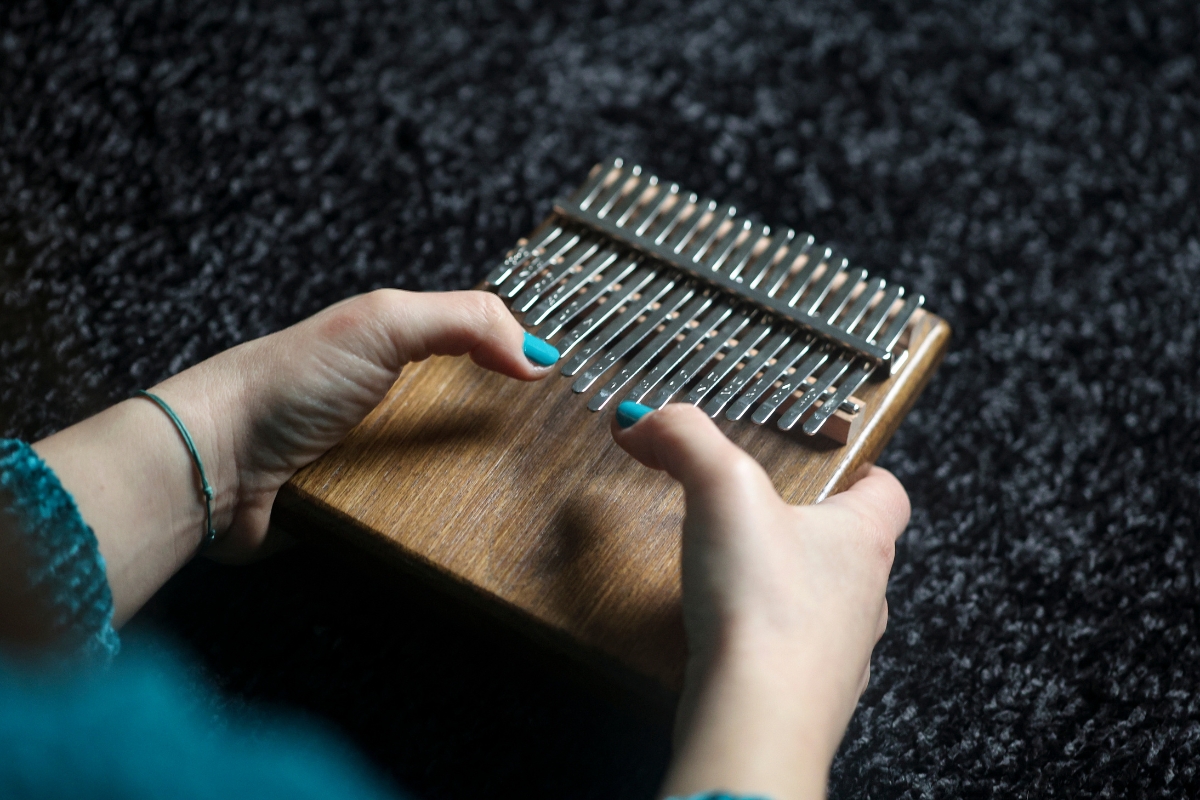
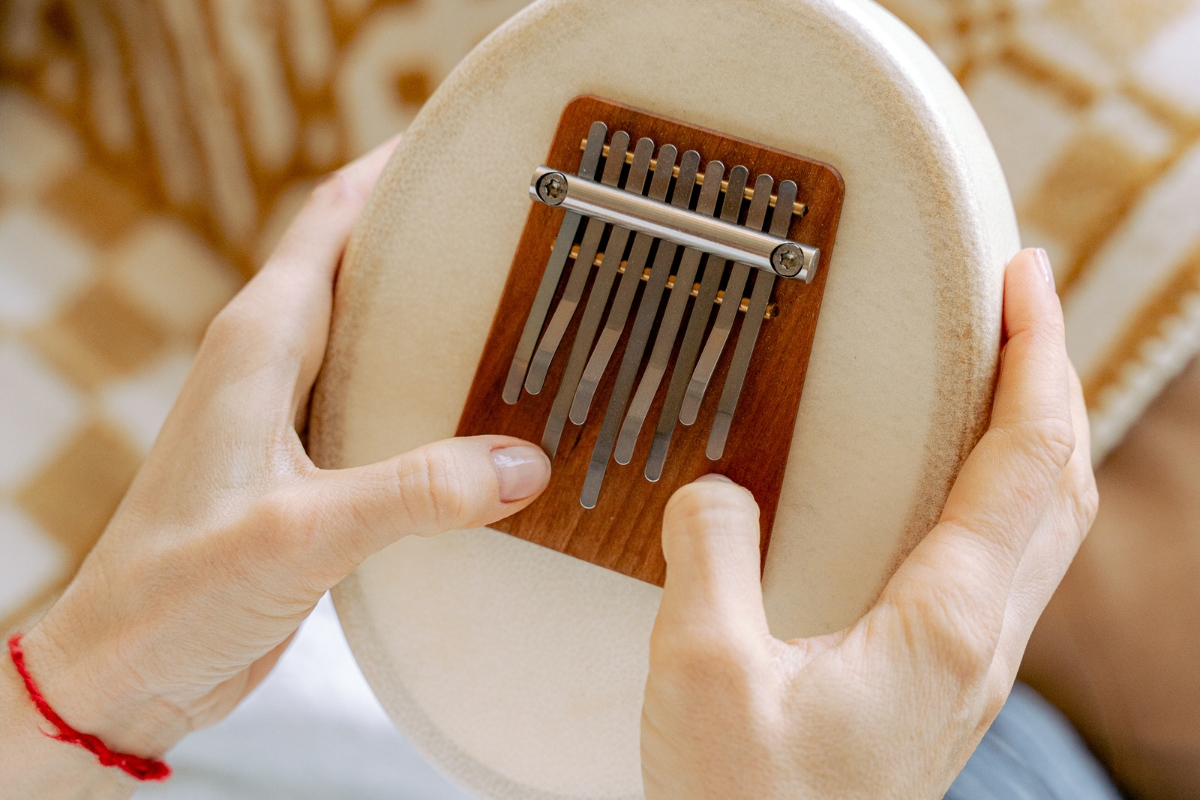
The kalimba is part of a broader family of instruments known as mbira or sanza, which date back more than 1,000 years. This “thumb piano” is a traditional African instrument consisting of metal tines that produce melodies when plucked with the fingers, resulting in a soft, sweet sound.
The kalimba consists of a wooden soundboard to which metal tines of varying lengths are attached. These tines are tuned to specific notes and produce sound when the musician presses them with their thumbs and releases them, creating a clear, melodic sound that is often associated with relaxation and is used in healing or meditation practices.
The ease with which the kalimba can be played makes it popular among both beginners and experienced musicians.
Didgeridoo
The didgeridoo is a traditional wind instrument of the Australian Aboriginal people, who have used it for at least 1,500 years. It produces a deep, resonant sound often used in spiritual and ceremonial music. With its rich cultural history and deep, resonant tone, the didgeridoo remains an iconic symbol of traditional Australian culture and has gained popularity worldwide.
Traditionally, the didgeridoo is crafted from tree trunks or branches—most commonly eucalyptus. The artisan cuts it to the desired length, hollows out the interior, and smooths the outer surface. The length and diameter of the didgeridoo influence its sound and pitch; larger instruments produce lower-pitched tones.
Playing the didgeridoo requires a specific technique and breath control. The musician blows into the instrument, creating a continuous sound that can be modified through movements of the lips, tongue, and vocal cords.
It has been incorporated into numerous musical genres—such as world music, ambient music, and even electronic music—and is also used in meditation and healing sessions due to the relaxing qualities of its sound.

Waterphone
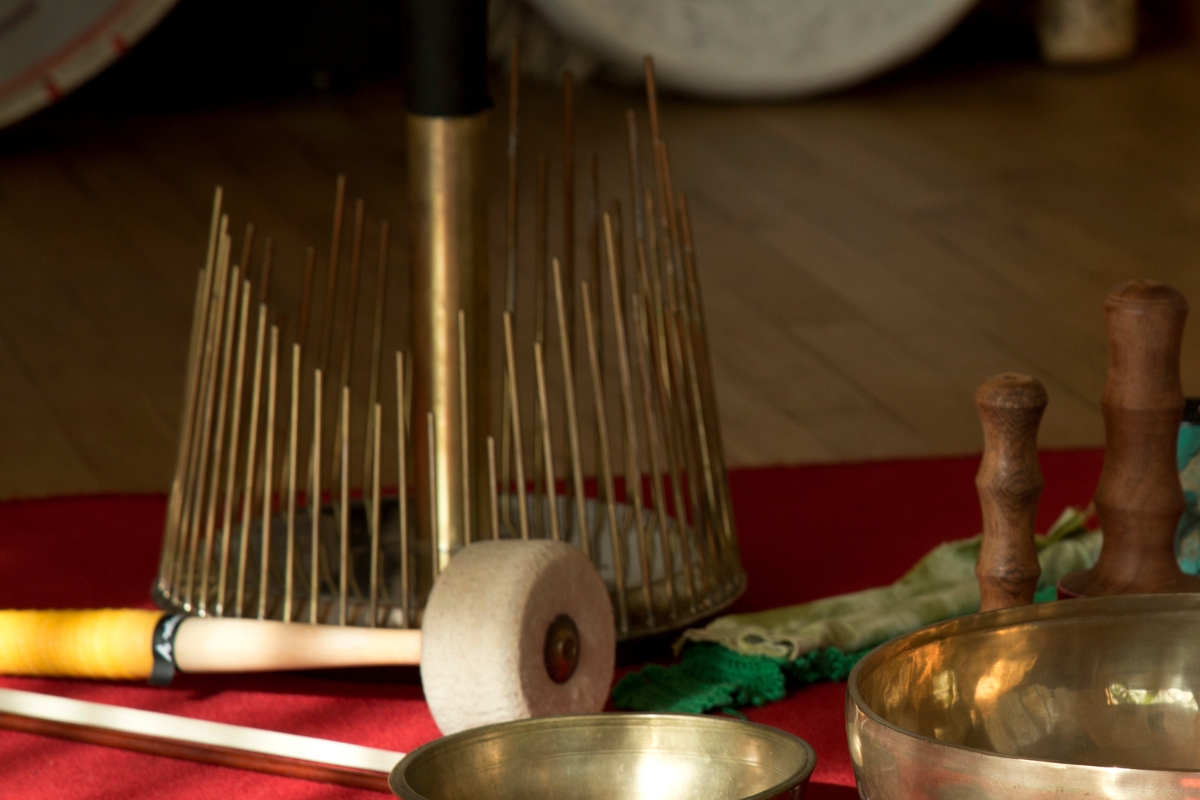
The waterphone is an instrument that produces unusual, atmospheric sounds when played with a bow or by percussion. It is frequently used in horror films and ambient music to create an ethereal and unsettling atmosphere.
It was invented in the 1960s by the American artist and musician Richard Waters—from whom it takes its name—and consists of a central, water-filled cylindrical chamber (typically round or cylindrical in shape) surrounded by metal rods or tines of various sizes, which are welded to its exterior.
The waterphone is renowned for its “aquatic” sound, which is often reminiscent of ghostly voices, whispers, or the kinds of sounds one might hear underwater. The sounds it produces are precisely tuned and interact with the natural movement of the water inside the chamber, creating an ever-changing sound.
Despite its simple construction, it requires a specific technical and aesthetic approach to be fully utilized. Exploring different playing techniques—such as striking, bowing, or shaking—allows the musician to discover the wide range of sounds it is capable of producing.
Oud
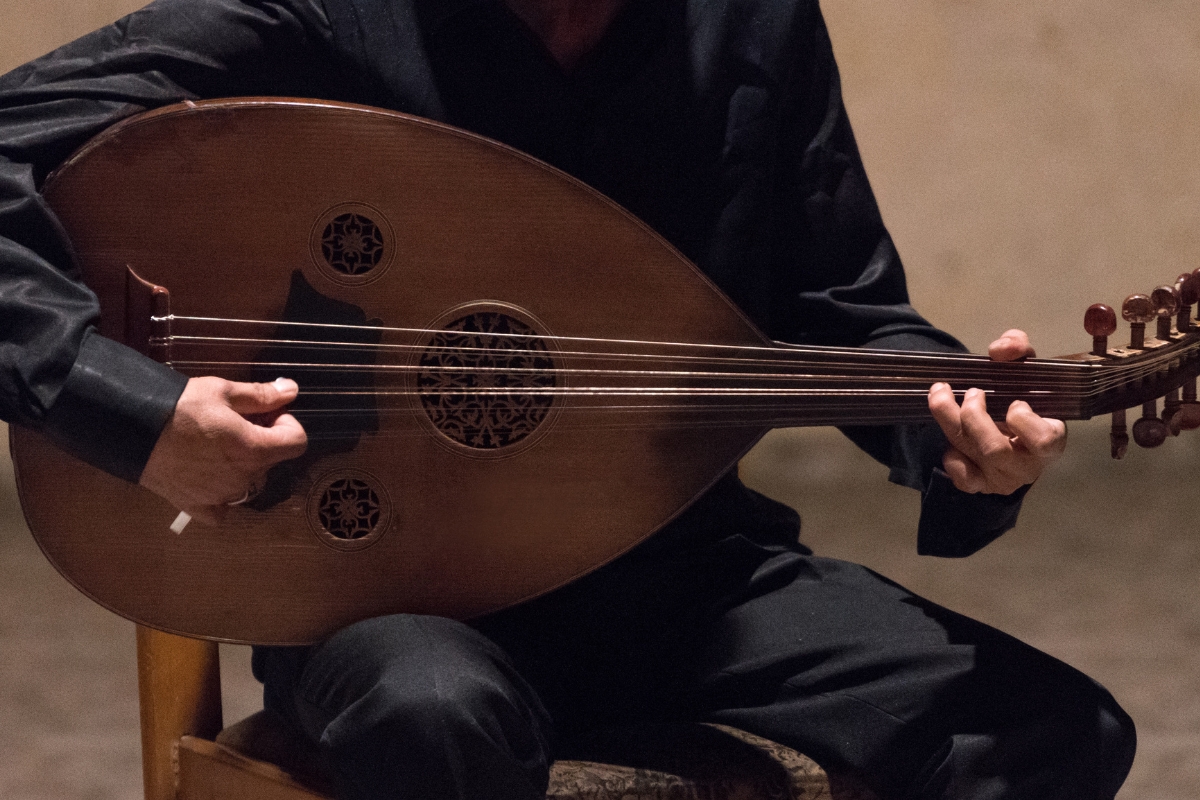
The oud is a traditional Middle Eastern instrument with a rich history and a profound capacity for emotional expression. It produces a warm, fluid sound and is frequently used in Arabic, Turkish, and Mediterranean music.
The oud features a large, hollow sound box shaped like a flattened pear, typically crafted from wood—such as rosewood, beech, or mahogany. It has a long neck, but lacks a fingerboard; this allows players to move their fingers freely to create various notes and harmonies. The lute typically has 11 or 13 strings, arranged in 5 or 6 pairs. The strings are made of nylon or metal and are generally tuned to various scales, depending on the region and musical tradition.
The lute is an instrument that combines tradition with complexity, and learning to play it can be a great challenge for those who love music and are willing to dedicate time and effort to it.
Shruti Box
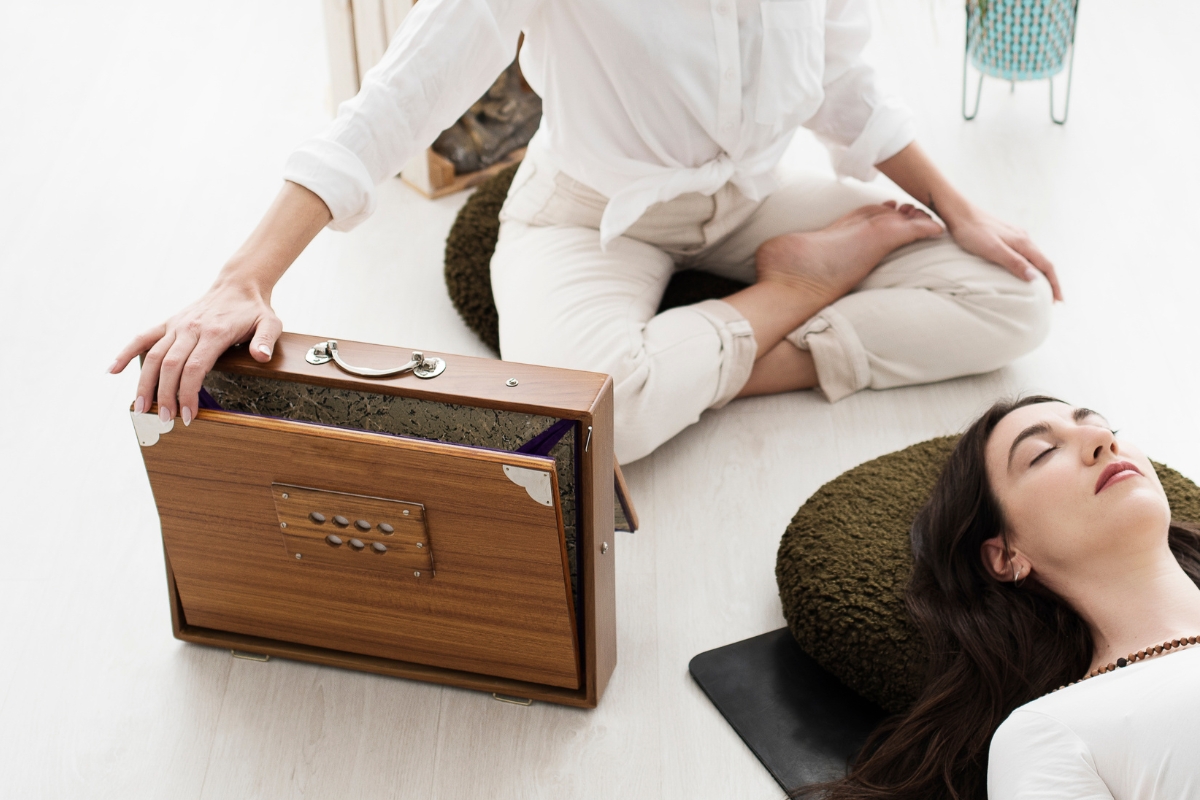
The shruti box is a traditional Indian instrument that produces a continuous, slow melody. It is often used in Indian classical music and meditation, providing a stable sonic foundation (known as a “drone”) for vocal expression.
The shruti box is usually rectangular and comes in various sizes; its body is often made of wood or plastic. It functions by drawing air through metal or plastic reeds or pipes, which produce its characteristic sound.
Its ease of use makes it popular among both professional and amateur musicians, offering an authentic traditional music experience without the need for complex techniques.
We hope these musical instruments bring a new dimension to your approach to music and open up new avenues for innovation and creativity. By exploring them, you will not only broaden your musical horizons, but you might also discover new sounds that you never knew you loved!
Try an unfamiliar instrument through sound and access first
Before buying, listen to several examples that show the instrument clearly and note what attracts you: tone, rhythm, physical movement or the way it fits an ensemble. Then investigate whether instruction, hire, maintenance and suitable practice space are available to you.
Compare the whole learning arrangement
An unusual instrument may have fewer local teachers or different care requirements. Ask about the model used for lessons and what a beginner needs between sessions. Do not assume that an inexpensive decorative version has the playability or tuning expected by the teacher.
If possible, attend a demonstration or an appropriate introductory session. Ask how sound is produced and what the first learning task involves. Sound samples online cannot tell you how an instrument fits your hands, hearing preferences or home environment.
Keep enjoyment separate from medical claims. An instrument being used in a meditation or therapy setting does not establish that playing it treats a condition. Choose it because you want to learn its music and method. A borrowed instrument or a short workshop may answer the most important question before a purchase: do you enjoy the physical and musical process of making the sound, not only listening to it?
Related reading
Editorial revision and practical additions: HobbyDetective. The original publication date is retained. Original Greek article.