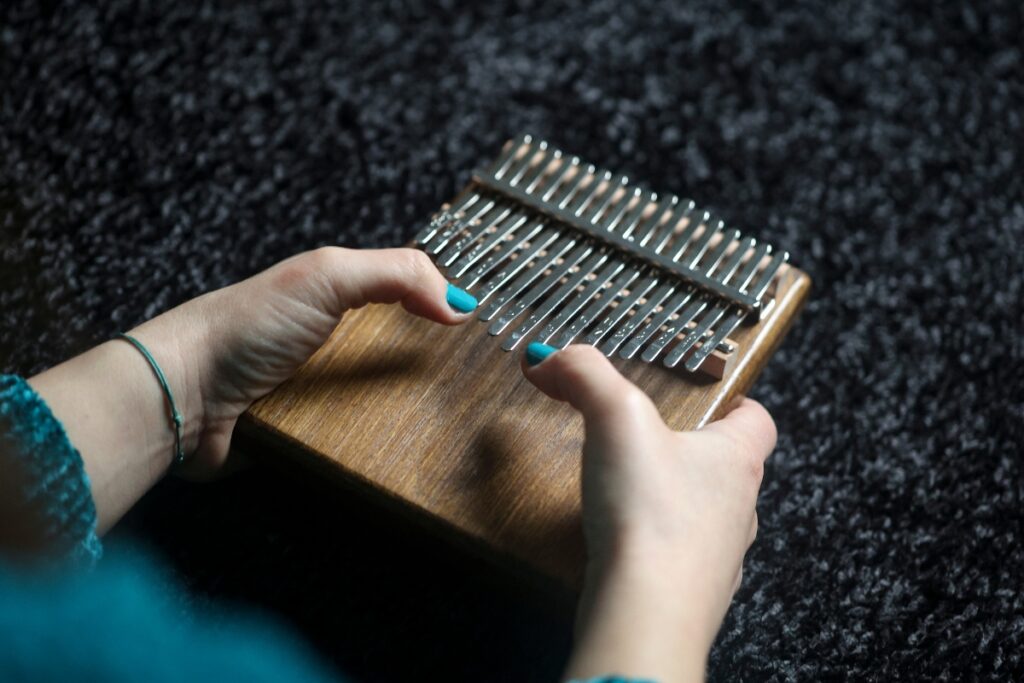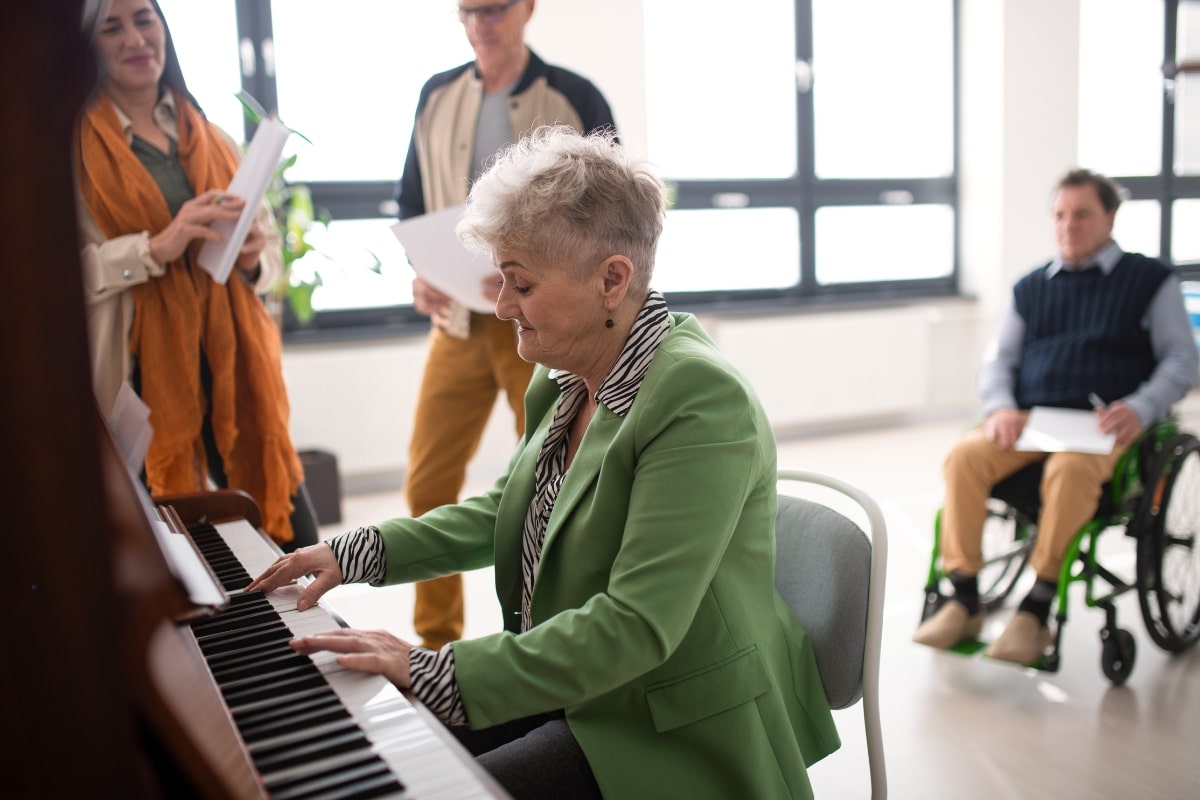
A familiar song can be a great way to spend time together. When someone is living with dementia, the activity should be tailored to their personal preferences and needs—without turning it into a memory test or requiring a specific response.
Well-being and medical treatment are two different things
The NICE dementia guideline recommends offering well-being activities tailored to each individual’s preferences. This does not mean that listening to music can cure dementia, stop it from progressing, or replace professional medical care. We make no such promises.
A music therapy session—led by qualified professionals with specific clinical goals—is different from simply listening to music as a daily activity. If you are looking for a therapeutic intervention, consult the person’s care team to discuss whether it is appropriate for them.
Making choices together
Ask what the person would like to do and offer simple options. You might try a song they have chosen, listen to it together, or—if they wish—accompany it with some comfortable movement. There is no need to complete a full playlist, and you should stop the activity if it is no longer enjoyable.
Avoid asking the person to recall dates, names, or lyrics as a way to “prove” a result. Observe how they are feeling and adjust the environment accordingly. Keep in mind that a song linked to a specific memory might also trigger difficult emotions; always respect their wish to change the song or stop altogether.
Finding an activity in Spain
Check with your local health center, day center, or a family association in your area to see what activities they offer and who leads them. Ask about accessibility, the level of support provided, and whether individual adaptations are possible. Not all musical activities are forms of therapy, and not every group is suited to the same needs.
Looking after the person providing support
Plan a simple activity that does not create extra pressure. If you notice any changes in behavior or signs of distress that concern you, discuss them with your healthcare team. This article provides general information to help you choose a shared experience; it does not constitute a clinical assessment.
Original article: 2025-04-08. Edition adapted for Spain: 27 October 2026. Read the Greek original. Original author: Eleni Agiou.