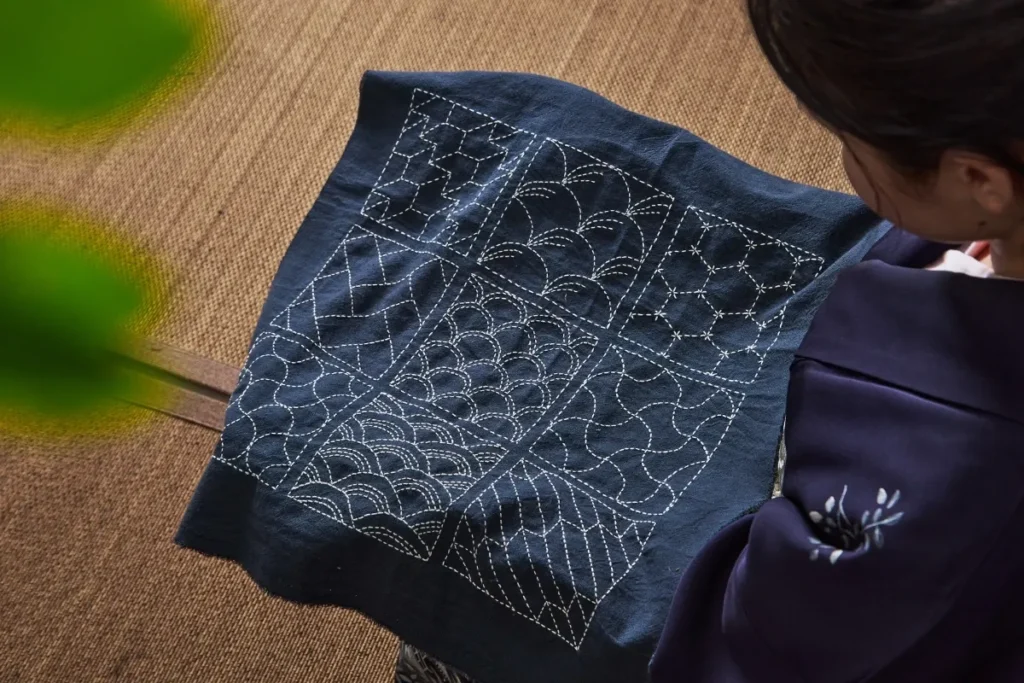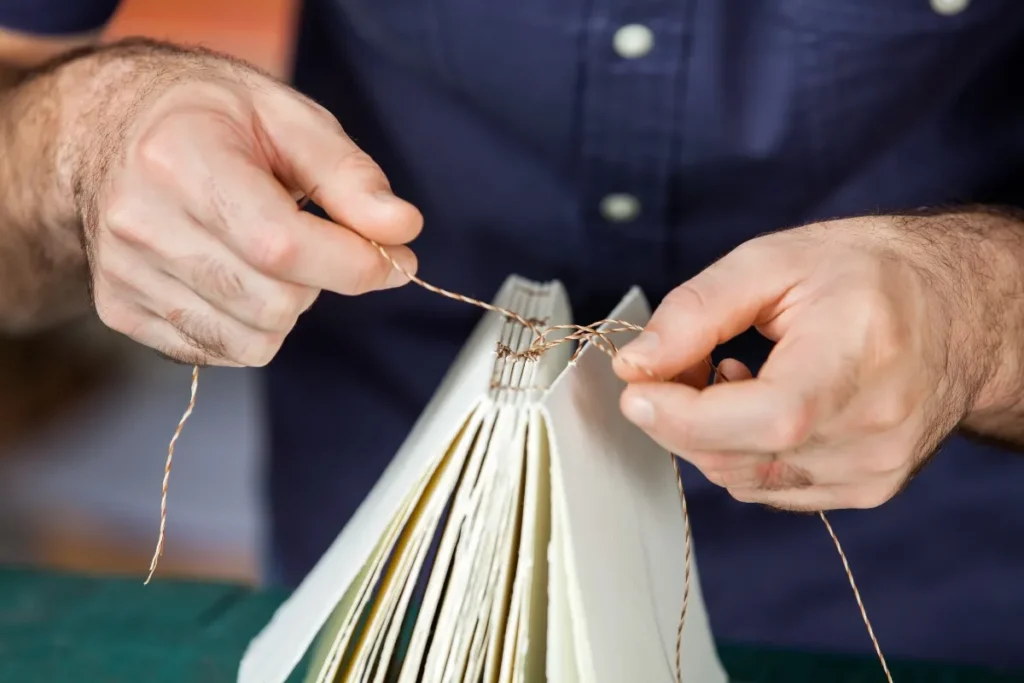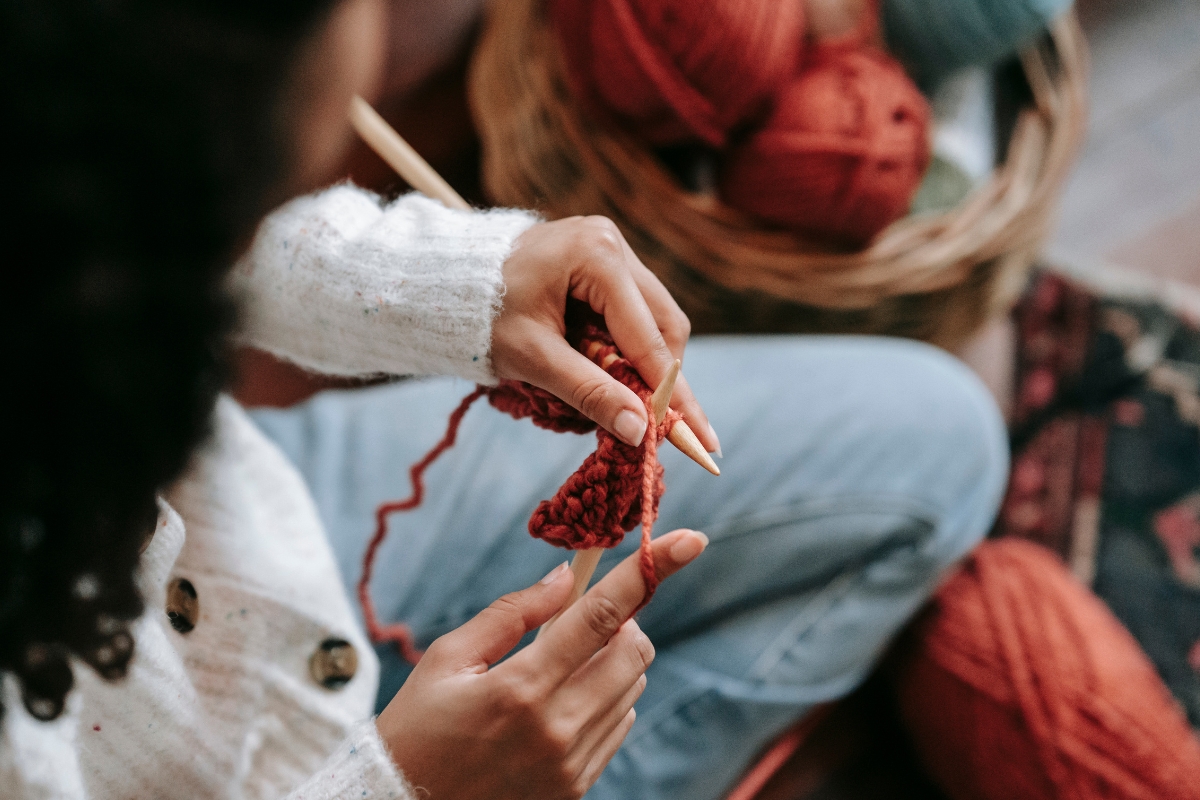
Knitting is an ancient craft that involves creating fabric by interlocking threads or yarns using needles or other tools. It is an activity with roots in various cultures that has evolved over the centuries.
There are different types of knitting/crocheting, depending on the technique and tools used:
- Knitting (with needles): This is the most well-known form of knitting, where two needles are used to create the fabric.
- Crocheting: A special hook is used to create loops that are connected to one another.
- Machine knitting: Knitting machines are used, allowing for faster production of knitted fabrics.
Yarn for knitting/crocheting
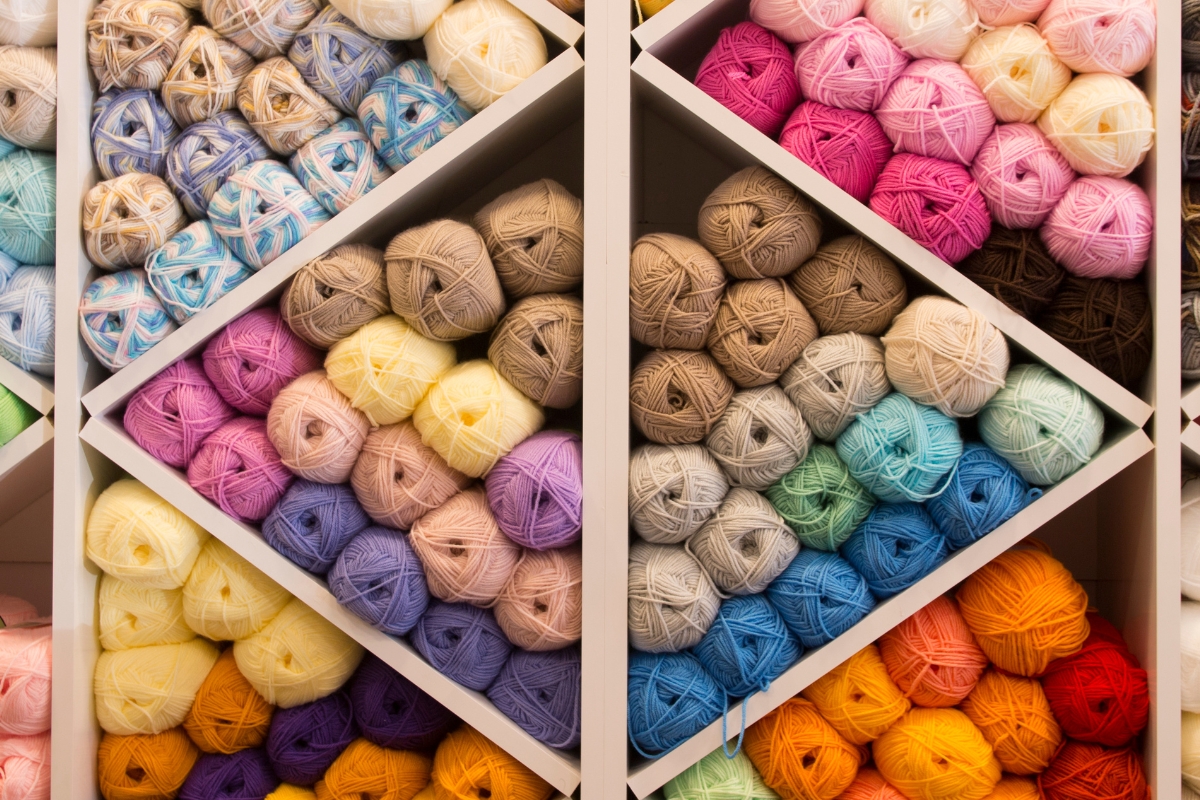
Yarn is the basic material for knitting or crocheting, and choosing the right yarn is important for the success of any project. There are many types of yarn (wool, cotton, acrylic, silk, etc.), each with its own characteristics, properties, and uses. When choosing yarn for a project, it is important to consider:
Thickness (Weight): The thickness of the yarn affects the texture and final size of the project.
Softness: Depending on the intended use, you might need a softer yarn or one that is more durable.
Choosing the right yarn is essential for the success of your project, so it is important to understand the properties and advantages of each type. We recommend asking for advice from the experts at the shop where you are buying your yarn; they will certainly be able to guide you toward making the right choice.
Knitting needles
Knitting needles are just as important as the yarn, as they determine how we work with it and create our knitted fabric. There are different types of needles, each with specific characteristics and uses .
Some of the needles you will find on the market include straight needles, circular needles, and double-pointed needles (DPNs) .
Knitting needles are made from various materials, each with its own advantages. Wooden and bamboo needles are lightweight and offer a natural, pleasant feel. Yarn does not slide off them easily, which is especially helpful for beginners. Metal needles are sturdy and smooth, allowing for faster knitting as the yarn glides over them with great ease. They are an ideal choice for more experienced knitters. Additionally, there are plastic needles, which are lightweight and the most budget-friendly option.
The size of the needles also has a decisive impact on the final knitted result. Needle size is determined by its diameter and influences the size of the stitches.
Small needles (2–4 mm): Suitable for fine yarn; ideal for delicate, dense knits.
Medium needles (4–6 mm): The most common type, suitable for medium-weight yarn—perfect for items like sweaters, scarves, and hats.
Large needles (6 mm or larger): Used for thick (bulky) yarn; they create a looser, more open knit.
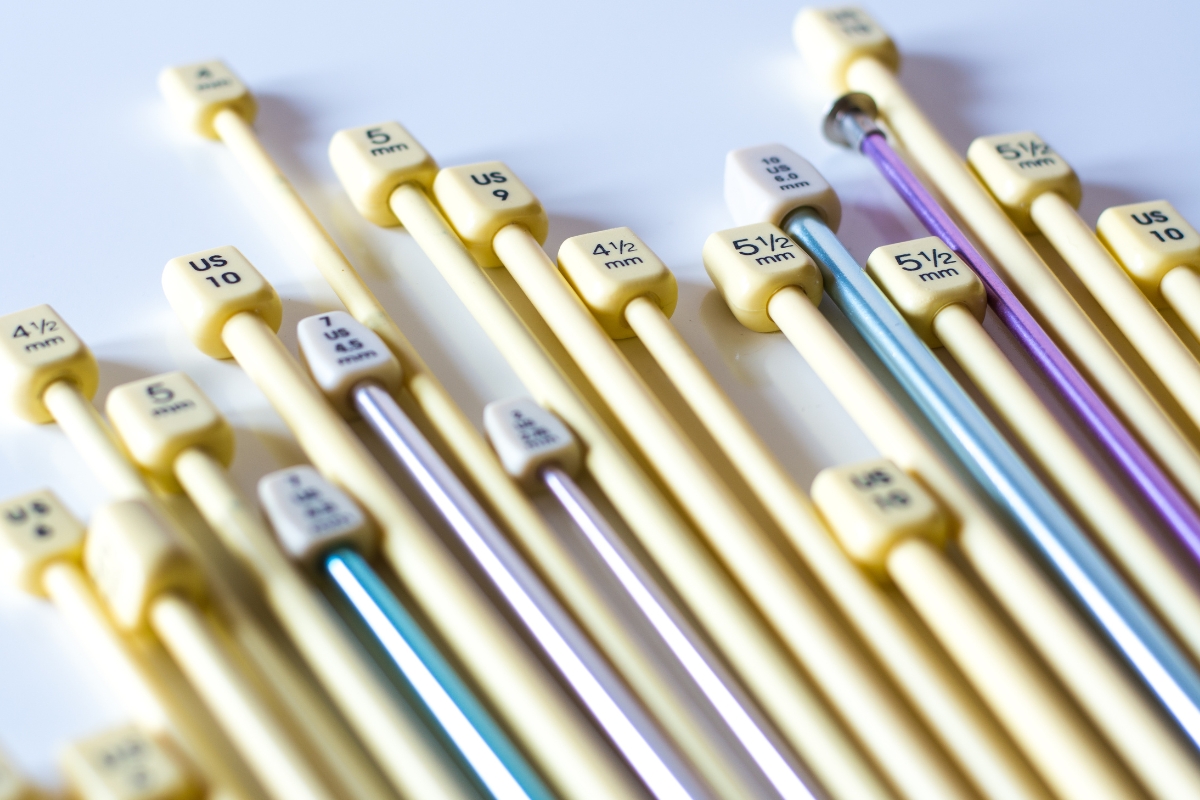
Tools and materials you will need as a beginner
- Yarn: Start with a simple, medium-weight acrylic yarn.
- Knitting needles: Choose sizes between 4 and 6 mm, as these are the easiest to work with.
- Scissors: For cutting the yarn when finished.
- Sewing needle: Used to weave in the yarn ends when finished.
Basic knitting techniques
Casting on
- Make a slip knot and place it onto the needle.
- Hold the needle with the loop in your left hand.
- With your right hand, insert the needle through the loop from bottom to top.
- Pull a loop of yarn through and place it onto the needle; repeat this process to create as many loops as you need.
Knit stitch
- Hold the needle with the loops in your left hand.
- Insert the right needle through the first loop from front to back.
- Wrap the yarn around the right needle from back to front.
- Pull the newly formed loop through and slide it off the left needle.
Purl stitch
- Insert the right needle into the first loop from back to front.
- Wrap the yarn around the right needle from front to back.
- Pull the loop through and slide it off the left needle.
We know that at this point you might be feeling quite confused, as the best way to learn these techniques and instructions is by watching video tutorials to see the actual movements your knitting needles should be making. Below, you’ll find some of the most helpful knitting videos—we love them, and we think you will too!
Start with a simple project
A scarf is a great choice for your first project. It will allow you to practice basic techniques and get comfortable with knitting.
- Cast on 20 to 30 stitches, depending on how wide you want your scarf to be.
- Knit every row (garter stitch) to create a flat texture.
- Keep knitting until the scarf reaches your desired length.
- Bind off to finish your project.
Tips for success
- Relax your hands: Don’t knit too tightly, or you’ll have trouble inserting your needles.
- Practice daily: Just a few minutes a day will help you improve.
- Don’t be afraid to make mistakes: Mistakes are normal and are all part of the learning process.
These are the basic steps to help you get started with knitting. With consistent practice, you’ll be able to complete your projects faster and with better technique. With patience and perseverance, you’ll soon be finishing more complex projects in no time! So, off to a great start!
Your first step in Spain
Look for an introductory session at workshops or cultural centers in your municipality. Compare the techniques being taught, the materials included, the group size, and whether you will be able to complete your piece during the class. To practice at home, start with a small project and buy only the materials you need; check the manufacturer’s instructions, and ensure you have proper ventilation and the right protective gear for each product.
Original article: 2024-08-29. Edition adapted for Spain: 27 October 2026. Read the Greek original. Original author: Eleni Agiou.