Let’s be honest: tea is not just a hot beverage to enjoy when it’s cold outside or when you have a cold. It is much more than that. It is an entire philosophy—a way to connect with yourself and savor the moment. And yes, it is considered an art form! If you hadn’t thought of it that way, keep reading!
Why is tea considered an art form?
Art is not limited to painting, sculpture, or music. It encompasses anything that requires attention, skill, and creativity. Preparing tea—especially in its traditional forms—is an art that demands patience, knowledge, and balance. Consider the Japanese tea ceremony, where every movement is carefully thought out, every stage carries its own meaning, and the entire experience ultimately leads to a moment of absolute tranquility. Even if you are simply preparing a pot of tea in your own kitchen, you can do so with care and attention, turning it into a small ritual.
A History That Has Endured for Centuries
Tea has a history that stretches back centuries. According to legend, it was discovered by chance in China around 2737 BC by Emperor Shen Nong, when some tea leaves accidentally fell into his boiling water. From there, it spread throughout Asia and subsequently to the rest of the world, giving rise to traditions that endure to this day.
- In China, tea was a symbol of wisdom and longevity. Monks used it for meditation and to gain energy.
- In Japan, the tea ceremony evolved into an art form with strict rules and a profound philosophy.
- In England, afternoon tea became an institution, combining social interaction with the pleasure of taste.
Each culture adapted it in its own way, and every cup holds a rich history.
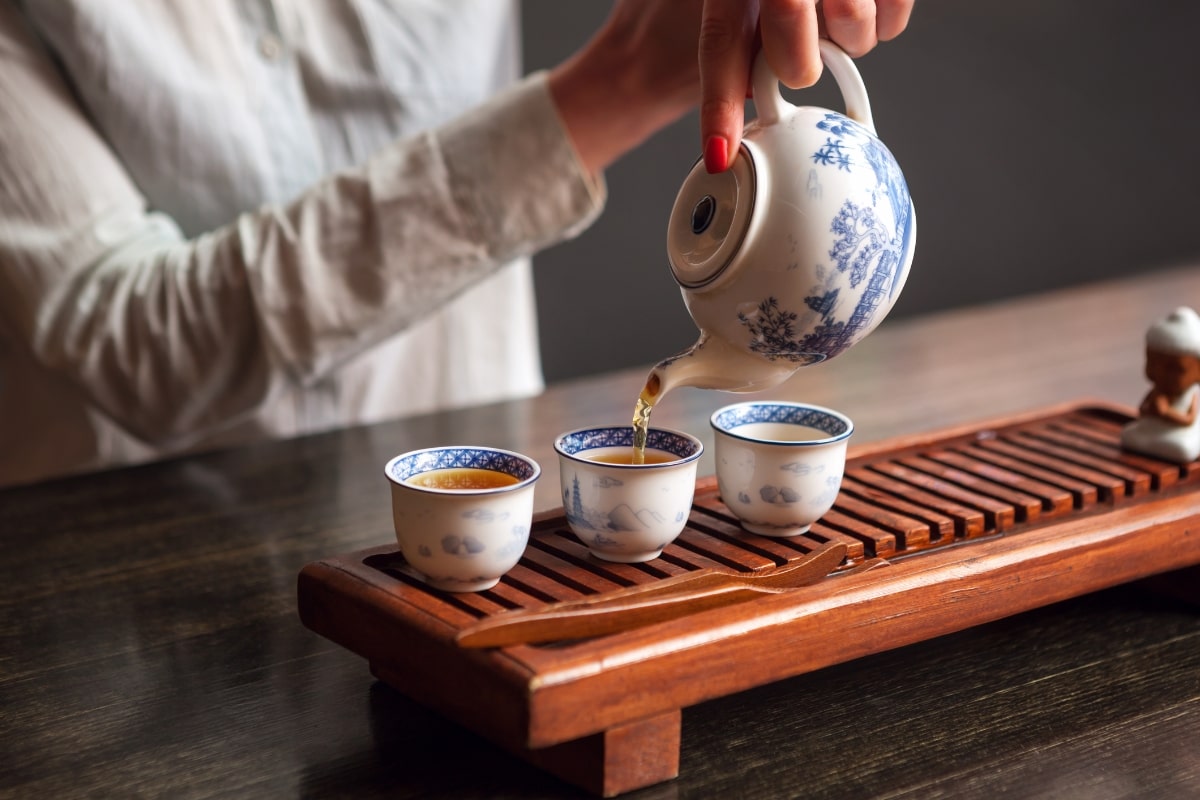
The different varieties of tea around the world
Tea is not just a single product, but a multifaceted experience with many varieties, each possessing its own unique flavors, aromas, and properties. Green tea, known for its antioxidants, is prevalent in Asia and features a fresh, slightly herbaceous flavor. Black tea, which is more intense and full-bodied, is particularly prized in the West and is frequently used in blends such as English Breakfast. White tea is the mildest and most refined variety; it undergoes minimal processing and offers a delicate, floral flavor. Oolong tea—which falls between green and black tea—encompasses a wide spectrum of flavors, ranging from fruity to caramelized notes, depending on its level of oxidation. Furthermore, there are aromatic and herbal teas, such as South African rooibos or chamomile, which offer distinct relaxing and therapeutic benefits. The variety of teas is vast, allowing every tea lover to find the perfect blend for their current mood and needs.
Why is it worth exploring the art of tea?
- It brings you inner peace! Tea is more than just a habit; it’s an opportunity to slow down, pause the hustle and bustle of daily life, and savor the present moment.
- It helps you connect with yourself. The process of choosing your tea, preparing it with care, and inhaling its aroma is a form of self-care—a way to dedicate time to yourself.
- A journey of flavors and aromas! There are countless varieties of tea—from green, black, and white, to herbal and aromatic blends. Every sip offers a new experience.
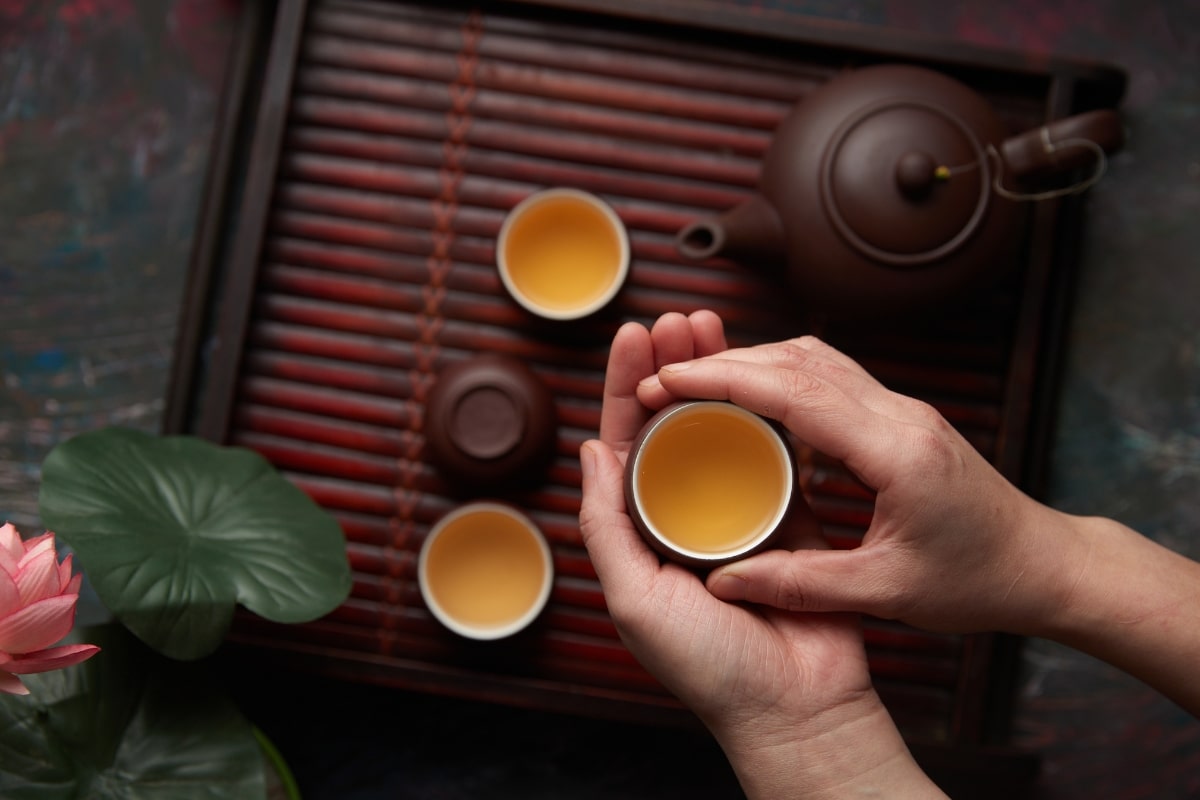
- It gives you the chance to create your own sacred ritual! You don’t need to attend a formal Japanese tea ceremony to experience the art of tea. Simply set out your favorite cup, heat the water to the ideal temperature, wait patiently for the tea to steep, and enjoy it with all your senses.
How do you get started?
If the idea of incorporating a bit of the “art of tea” into your life intrigues you, there’s no need for anything complicated. Just begin!
1. Choose high-quality tea
- Opt for loose-leaf tea rather than tea bags, as it consists of higher-quality leaves and delivers a richer, more intense flavor.
- Purchase from specialty shops to ensure a fresh and aromatic product.
2. Use fresh, clean water
- Water plays a decisive role in the final flavor. Use filtered or mineral water for the best results.
- Avoid using water that has been boiled and left sitting in a kettle or teapot for too long.
3. Adjust the water temperature according to the type of tea.
Each variety of tea has different requirements:
- White tea: 70–80°C (do not let it boil, to avoid scorching the leaves).
- Green tea: 75–85°C (if the water is too hot, the tea will become bitter).
- Oolong tea: 85–95°C (a moderate temperature to enhance its flavors).
- Black tea: 95–100°C (can withstand high temperatures).
- Herbal infusions and flavored teas: 95–100°C (most do not contain *Camellia sinensis* leaves, so they require a higher temperature).
4. Pay attention to the steeping time
If you steep the tea for too long, it may become bitter and overly strong. If you steep it for too short a time, its full range of flavors may not develop.
- White tea: 2–3 minutes
- Green tea: 1.5–3 minutes
- Oolong tea: 3–5 minutes
- Black tea: 3–5 minutes
- Herbal infusions: 5–7 minutes
5. Use the right amount of tea
- For one cup (250 ml), use approximately 1 teaspoon (2–3 g) of tea.
- If preparing a larger quantity, increase the amount accordingly.
6. Use the appropriate teapot or brewing vessel
- If using a metal strainer, ensure the leaves have enough room to unfurl and release all their aromas.
- Clay or glass teapots are best for brewing tea, as they retain temperature more effectively.
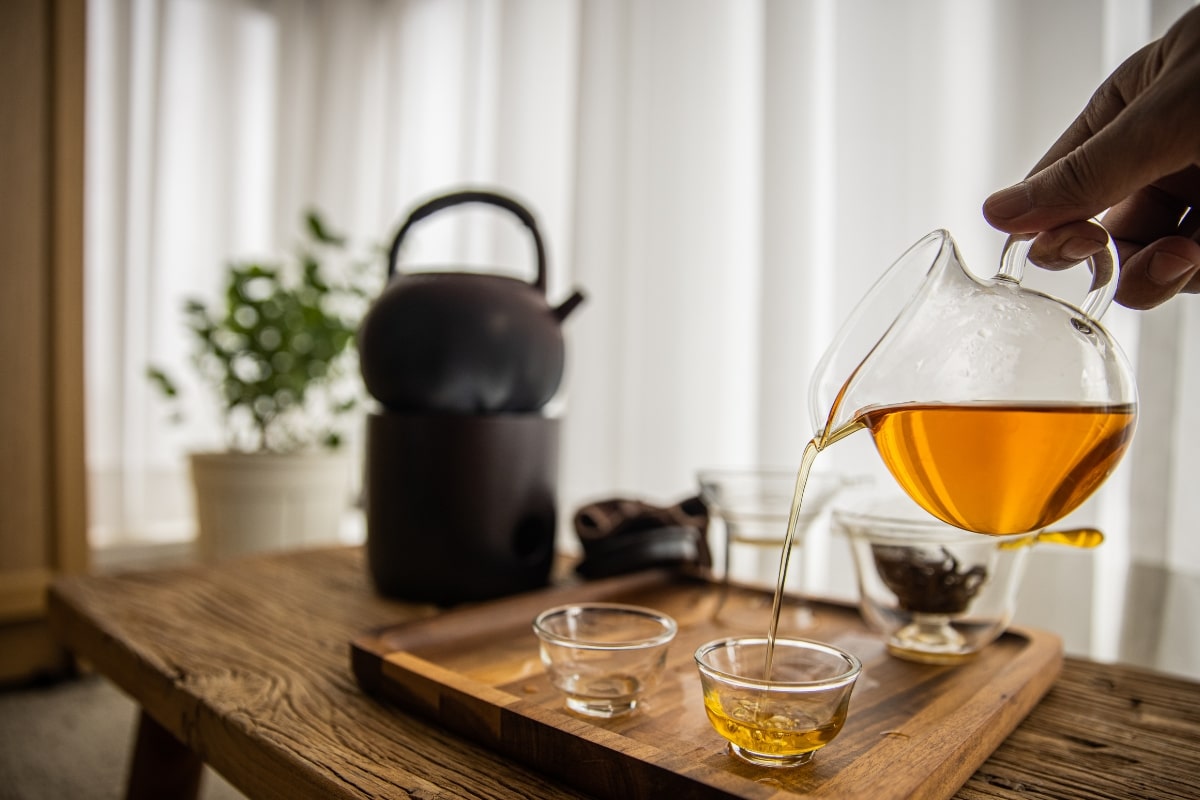
7. Add natural flavors if you want to vary the taste.
- You can enhance your tea with fresh ginger, cinnamon, honey, or citrus peels for extra aroma and flavor.
- Avoid adding sweeteners if you want to enjoy the authentic flavor of the tea.
8. Enjoy it at the right temperature.
- Do not drink the tea immediately after brewing! Let it cool slightly for 2–3 minutes so you can fully appreciate its aromas.
9. Experiment and find the perfect tea for you.
- Every tea has its own personality. Try different varieties and preparation methods until you find the one that’s perfect for you.
It may seem simple, but this small change can bring more peace and enjoyment to your daily life. Give it a try and see how the art of tea can become a beautiful little ritual in your life.
Your first step in Spain
Choose a recipe or an experience that you can prepare using products available near home. Check the ingredients and allergens, and confirm the details of any workshop or visit directly before booking. If you are organizing an activity with friends, agree on a budget and any dietary requirements. Experiences involving alcoholic beverages are for adults; you can also explore flavors and aromas through non-alcoholic options.
Original article: 2025-02-18. Edition adapted for Spain: 27 October 2026. Read the Greek original. Original author: Eleni Agiou.