Have you ever watched a couple dancing the tango and felt as though they were communicating without saying a word? You aren’t imagining things. Argentine tango is a dance rooted in connection, listening, and expression. Through the steps, the music, and the embrace, you’ll discover that you don’t need to be a professional dancer to enjoy it.
If you’re looking for a hobby that combines movement, creativity, music, and the chance to make new friends, the tango is worth considering—especially if you’re looking to try something a bit different from the usual dance styles.
Where did the Argentine tango originate?
To understand the tango, you have to travel back in time. Its history begins in the late 19th century, in the neighborhoods around the Río de la Plata—primarily in Buenos Aires, Argentina, and Montevideo, Uruguay.
In an environment where diverse cultures, musical styles, and people converged, a dance with a unique character began to take shape. The tango was born out of urban life, social interaction, and the creative blending of various traditions.
And here’s something you might not know: the tango did not originate as a dance exclusively for grand ballrooms and formal events. It was associated with working-class neighborhoods, cafés, courtyards, and places where people gathered to listen to music and dance.
Over time, Argentine tango spread far beyond South America. It reached Europe, gained popularity in various countries, and evolved into a global cultural phenomenon.
Today, when you dance the tango, you are participating in a tradition that has been passed down from generation to generation, yet continues to evolve.
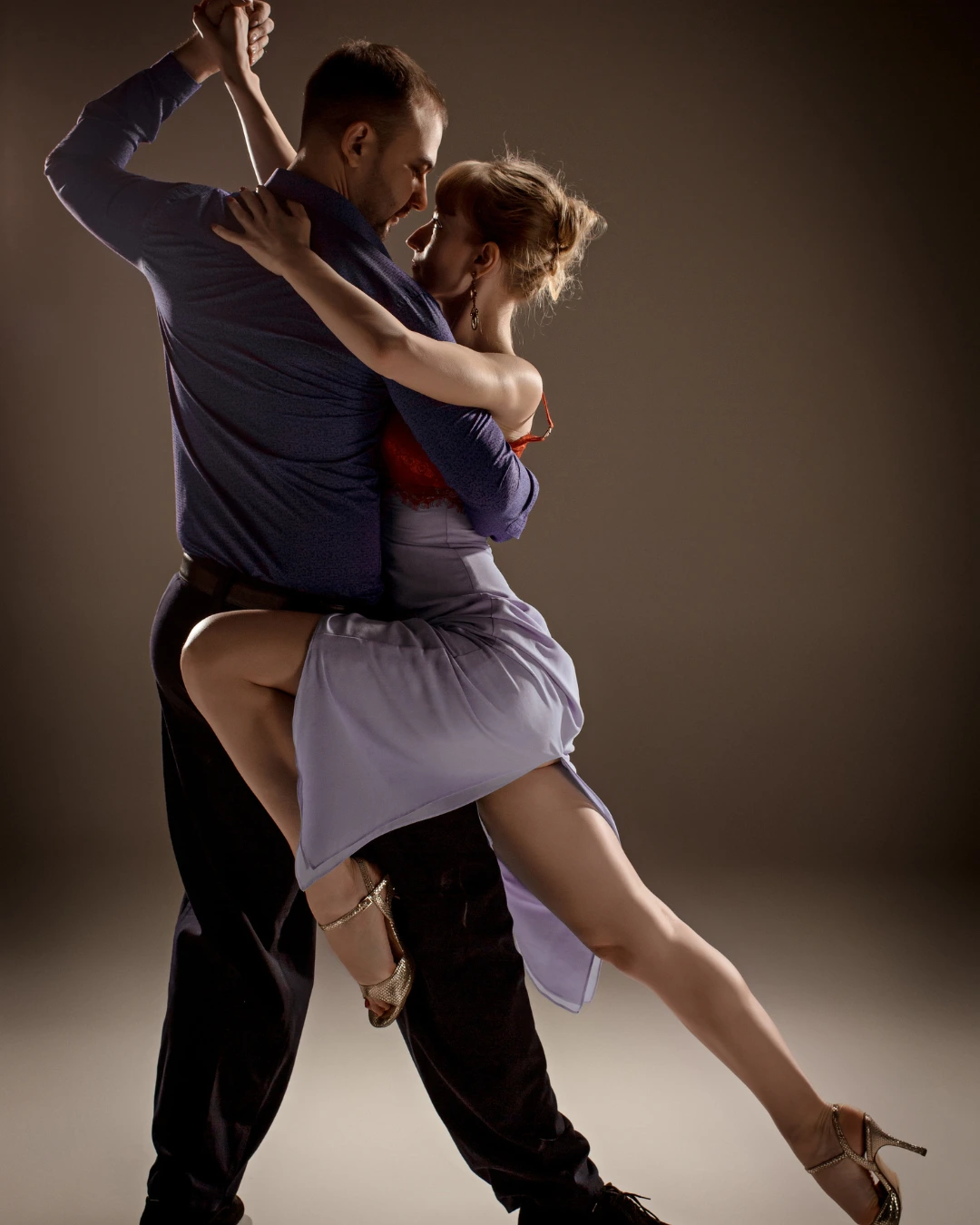
There is no need to memorize a complete choreography.
This is one of the most interesting aspects of Argentine tango.
In many dances, you learn a series of steps and try to execute them as well as possible. In the tango, however, communication plays a fundamental role. One dancer suggests a step, and the other responds. Direction, rhythm, pauses, and intensity create an ongoing conversation.
This does not mean that there are no specific techniques or steps. There are—plenty of them. The difference is that you learn to use them creatively. So, even if you dance to the same piece twice, the experience can be completely different each time.
Every embrace, every musical phrase, and every couple brings something new.
The embrace in the tango is more than just a pose.
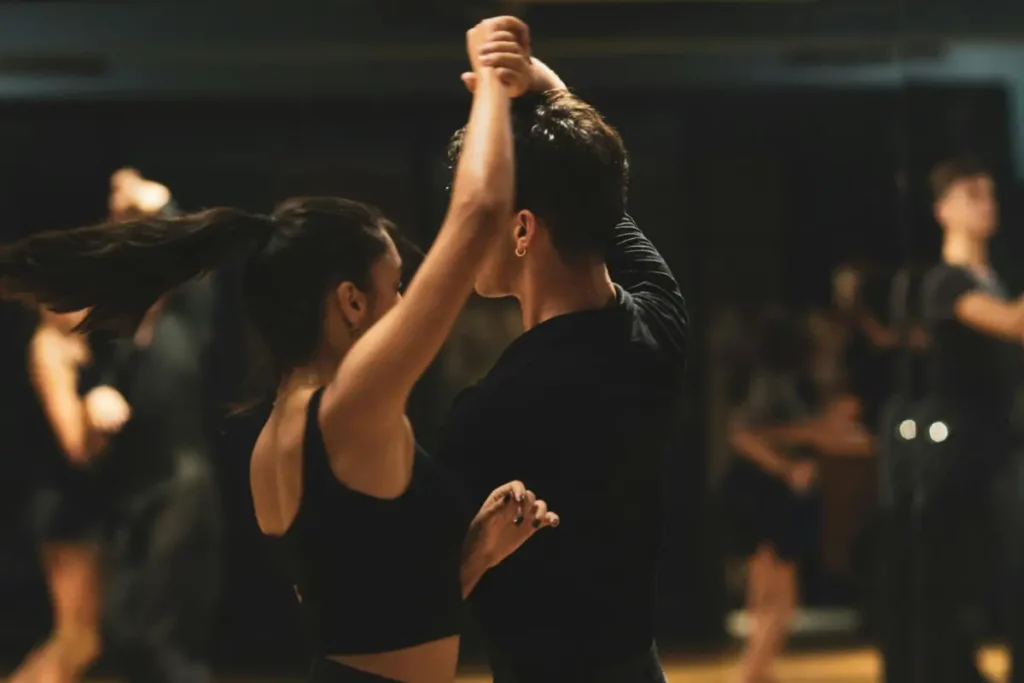
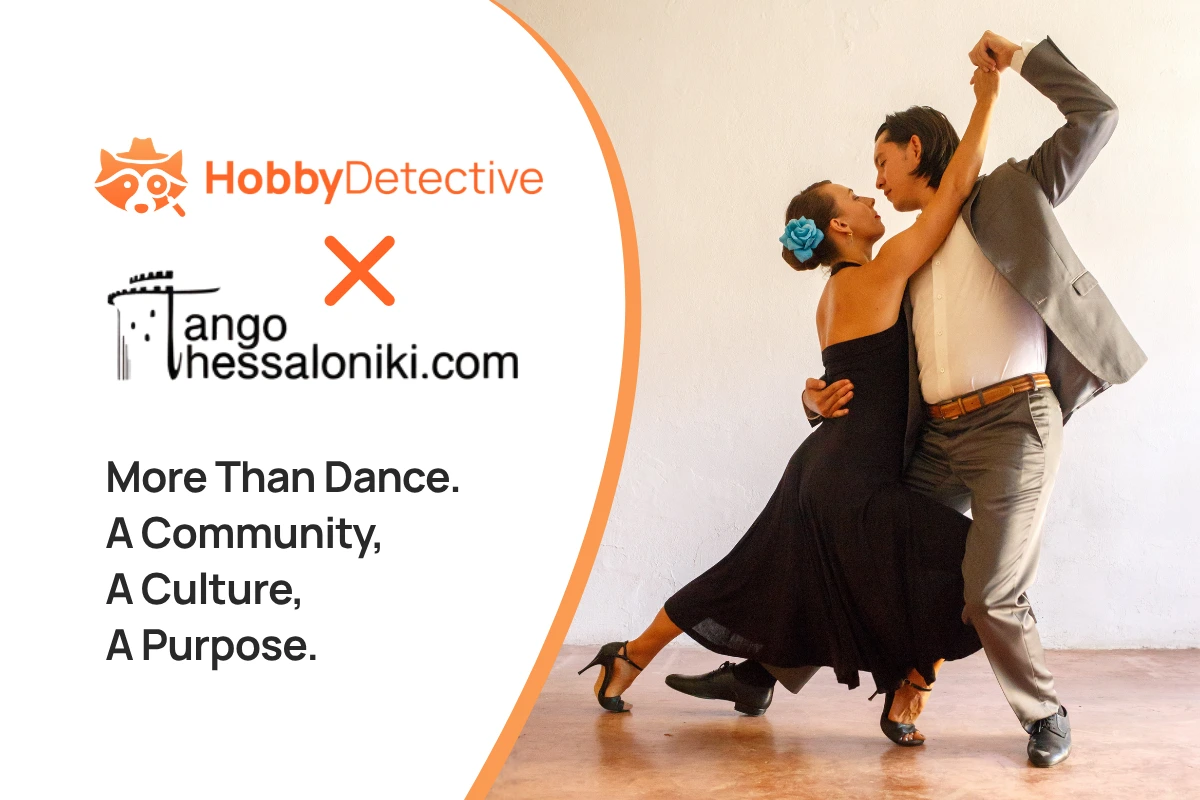
If there is one element that immediately stands out in Argentine tango, it is the embrace. In the tango, the embrace serves as a primary means of communication. Through posture, physical contact, and subtle shifts in movement, the two dancers exchange information.
You learn to perceive the other person’s intention, to respond with precision, and to move in a way that creates harmony. And therein lies one of the most beautiful lessons of the tango: you don’t have to do everything yourself. You have to listen.
This isn’t just about dancing. Attention, trust, and communication are skills you can also use outside the dance hall.
Music, rhythm, and that characteristic melancholy
Argentine tango has a musical identity that is unmistakable. You may have heard tango in old films, in dance scenes, or in theatrical performances. We tend to associate it with intense emotion, melancholy, passion, and drama.
But tango music is not limited to a single emotion. It can be playful, light, dynamic, or full of intensity. The way the music is interpreted changes depending on the piece, the orchestra, and the moment.
Within the tango tradition, you will find prominent musicians and composers, such as Carlos Gardel and Astor Piazzolla, who contributed to the development and spread of its music. Gardel was associated with the golden age of tango and became one of its most iconic figures. Piazzolla, on the other hand, brought in new influences and experimentation, creating what came to be known as *nuevo tango* (new tango).
If you enjoy music, tango gives you another reason to explore it. Why not learn to move to the rhythm? You will learn to listen to it in a whole new way.
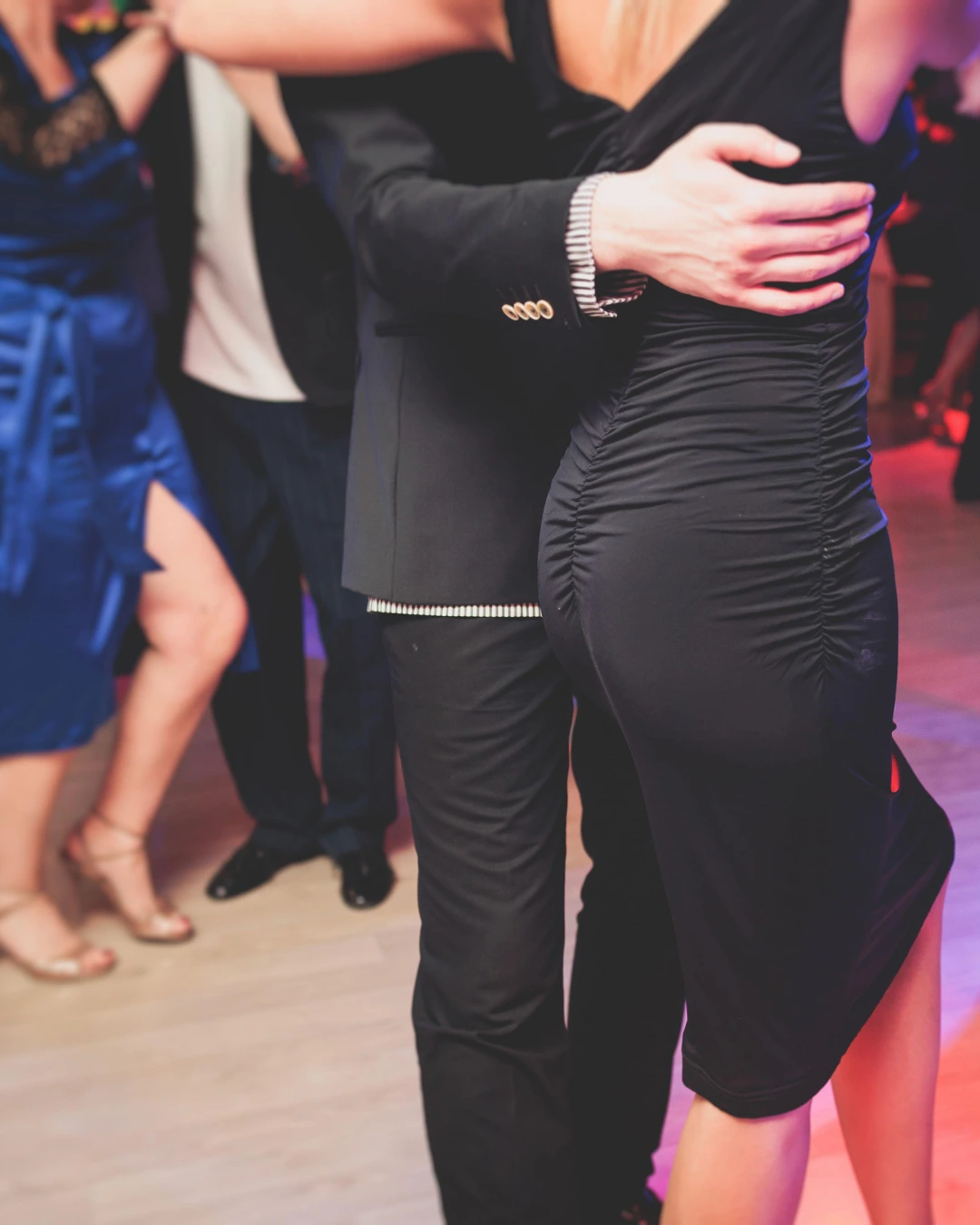
What is a *milonga*?
If you start looking for information about tango, you are very likely to come across the word “milonga.”
A milonga is a social event where people gather to dance Argentine tango. It is a place for social interaction, music, and dance, where you can meet others who share your passion for this genre.
At milongas, you can see dancers of various skill levels, observe tango culture, and—when you feel ready—participate yourself.
“Milonga” also refers to an independent musical and dance genre, characterized by a faster, livelier tempo than traditional tango.
In short: if a class is where you learn, a milonga is where you live the dance.
Why start dancing Argentine tango?
You don’t need any prior experience. You don’t need to be particularly flexible or already possess dance techniques. All you need is a willingness to learn and try something different.
1. You learn to communicate through movement.
In tango, communication isn’t based solely on words. You learn to understand the other person’s movements, respond to them, and create a shared experience.
2. You improve your balance and posture.
Tango requires control, precision, and good body awareness. With practice, you can develop better balance and a greater awareness of your own movements.
3. You leave room for creativity.
There is no single way to dance a piece. You learn to combine technique and musicality, creating different movements depending on the moment.
4. You meet new people.
Tango is also a social activity. Through classes, seminars, and *milongas* (tango social gatherings), you can meet people with shared interests and become part of a community.
5. You acquire a hobby that helps you continue to grow.
Tango is not a dance that is “perfected” after learning just a few steps. The more you practice, the more you discover within the music, the technique, and the connection with your partner.
Argentine Tango for beginners: What can you expect in your first class?
If you are thinking about starting, you might have a few questions.
“What if I’ve never danced before?” “What if I can’t keep up with the rhythm?” “What if I feel uncomfortable with the embrace?”
It is completely normal to have thoughts like these.
In the first few classes, you typically learn the fundamental principles of the dance: posture, weight transfer, basic steps, and communication between the two dancers.
You don’t need to learn everything on the very first day. Progress comes through repetition, practice, and becoming familiar with the music. The key is to find a teaching method that suits your own pace of learning.
How to find Argentine Tango in Spain
Look for a beginner’s class in your area and ask about the level, whether partners are rotated, and how practice sessions are organized. A social *milonga* and a class serve different purposes; start in an environment that covers posture, communication, and the social etiquette of the dance floor.
Check with local schools and associations, confirm their current schedule, and choose a class that covers the fundamentals. Once you know the rules and feel comfortable, attending a social dance event could be your next step.
A different approach to teaching
A key element of their philosophy is an emphasis on personalized learning. Through their “Tango Classes with a Personal Touch” method, instruction is tailored to each student’s individual needs and goals. This approach focuses not only on learning specific movements but also on understanding the music, balance, posture, and communication.
Tango for everyone: Tango is for everyone!
Another initiative from Tango Thessaloniki is “Tango for Everyone.” The program’s philosophy is to make Argentine tango accessible to people of all ages, skill levels, and needs—prioritizing inclusion, personalized guidance, and the creation of an environment where everyone can explore the dance.
Depending on your level and goals, Tango Thessaloniki offers:
- Private Argentine tango lessons
- Classes for beginners, intermediate, and advanced dancers
- Seminars and workshops
- Milongas (tango social dance events) and special events
- Programs focused on personalized learning
You don’t have to wait until you feel “ready.” No one starts out knowing everything. You begin with one step. Then another. And just like that, the music begins to take on a whole new meaning!
Tango is an experience created together with another person.
Argentine tango is more than just a series of steps. It is the moment when you listen to the music, sense your partner’s movements, and discover your own way of expressing yourself.
To get started in Spain, look up a school or association in your local area and try a session suited to your skill level.
Learn to dance, listen, connect. Find out more at tangothessaloniki.com
Your first step in Spain
Check out schools, associations, and cultural centers in your local area. Ask if you can attend a trial session, and confirm details such as the language used, skill level, schedule, and any required gear. If you are planning to attend a show or an event, check the current program and the terms of attendance. To sustain a new hobby, it is often more effective to find a recurring activity you can return to, rather than buying equipment or committing to a long-term course right from the start.
Original article: 2026-09-15. Edition adapted for Spain: 27 October 2026. Read the Greek original. Original author: Eleni Agiou.