With a multitude of snowboard types and models available, there are so many options that it’s easy to get overwhelmed. From all-mountain boards for enjoying runs on the slopes to powder boards for off-piste adventures and park boards for performing stunts in the terrain park—the variety is staggering, with each type designed to meet different needs and styles.
So, let’s take a closer look at the different types of snowboards out there.
All-Mountain/Freeride Snowboards: Designed to handle any snow condition or terrain—from steep slopes to rugged, wild mountains—these are the ideal choice for those seeking versatility and fun across the entire mountain.
Park/Jib Snowboards: These robust, compact boards are built for urban snowboarding and performing tricks in terrain parks. Featuring greater durability and a more flexible construction, park/jib boards allow riders to execute complex jumps and slides on features like rails and boxes.
Powder Snowboards: When it comes to enjoying descents in deep snow, powder boards are the best choice. Thanks to their extra width and specialized design, they glide lightly and easily over deep snow, offering an unparalleled sense of flotation and freedom of movement.
Splitboards: Here is a truly exciting innovation: for those who love both skiing and snowboarding, the splitboard is the perfect solution. Why choose one when you can have both? A splitboard can be split in half, transforming into a pair of touring skis. This allows riders to explore untouched terrain and off-piste areas by ascending with the boards separated—much like touring skis or snowshoes—before rejoining them to descend as a snowboard.
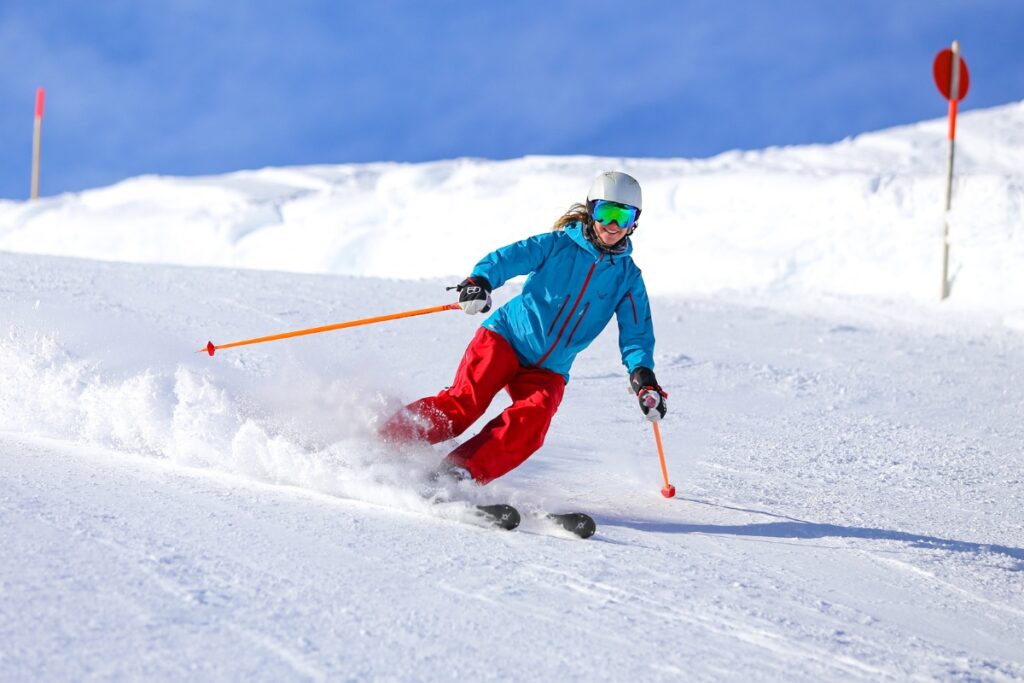
Carving Boards: Designed for those who enjoy executing tight, arcing turns on groomed runs. Carving boards feature a much narrower and more flexible construction, allowing for fluid maneuverability at high speeds.
Competition Snowboards: As the name suggests, these boards are engineered for high speeds and competitive racing. They are fast, straight, and ideal for riders who want to focus all their energy on acceleration.
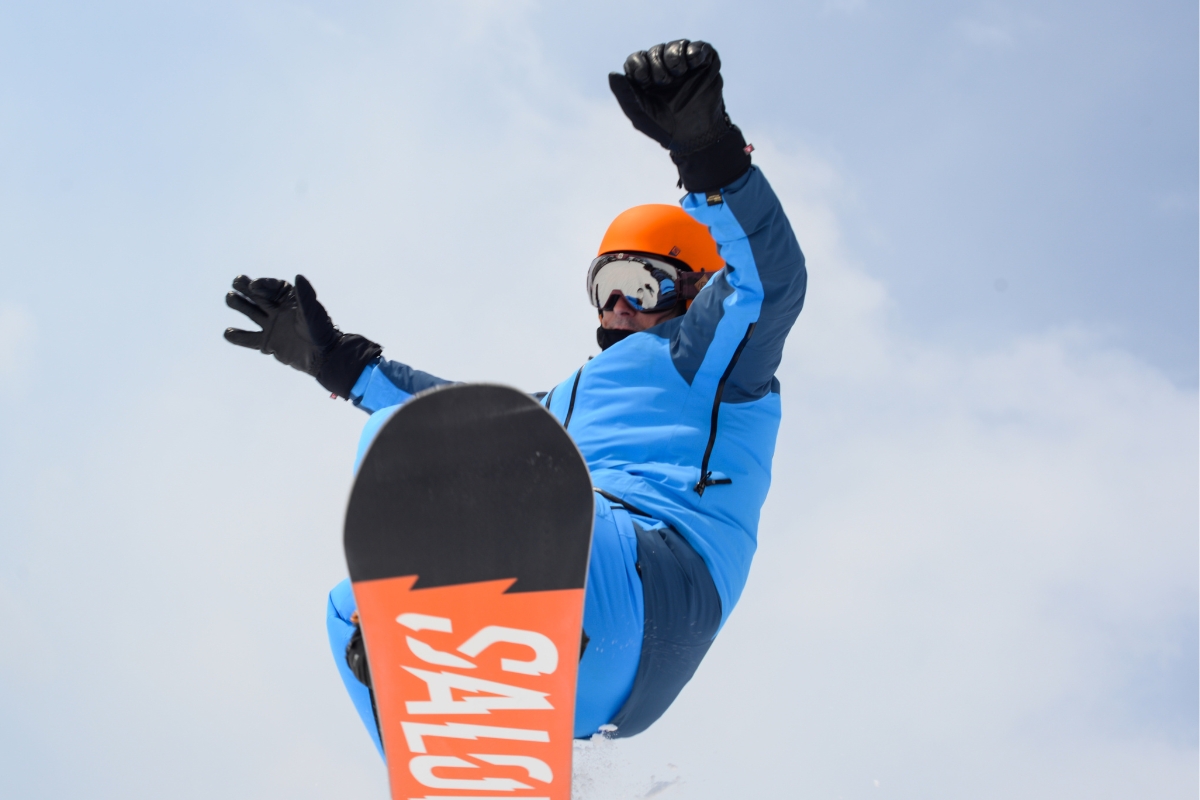
Freestyle Snowboards: For the more adventurous and daring, freestyle boards are specifically designed for performing impressive jumps and tricks. With incredible maneuverability and a low center of gravity, they allow for spectacular aerial stunts.
Snowboards with redistributed volume: A recent innovation, these boards feature an asymmetrical shape and a redistribution of volume to better align with the body’s natural stance. This results in a more comfortable ride with less strain on the legs and back. Although originally designed for deep snow, they quickly became a preferred choice for all-mountain riding. The concept is to optimize control by allowing the board to “float” smoothly over deep snow, combining elements of traditional big-mountain boards—for speed—with shorter park boards—for control.
Noboard: A hybrid between a snowboard and a vehicle, the “noboard” features an innovative integrated steering system operated via a special handle. Instead of using traditional foot movements to turn, you simply hold the handle and steer in the desired direction. This unique feature makes the noboard a compelling and accessible option for individuals with mobility issues or physical limitations, as it can be steered entirely by hand. The handle effectively replaces the need for lower-body movements.
As technology and innovation continue to evolve, we can expect to see even more varieties of snowboards in the future. Now, all that remains is to find the perfect one for your personal preferences! Consult with experienced riders, read reviews, and begin your search for the board that will unlock your greatest winter adventures.
Now that you’ve learned about the different types of snowboards, the next step is to discover—through hands-on experience—which style suits you best. At HobbyDetective, you will find classes, schools, and activities for snowboarding, as well as for many other hobbies you might want to explore and learn.
HobbyDetective Spain is preparing its community and experiences. Explore what is coming next. HobbyDetective
Your first step in Spain
Look for a beginner-level activity near home and ask about the experience before booking. Confirm details regarding equipment, requirements, insurance, and the policy for bad weather. For outdoor activities, check the specific advisories and restrictions for the location—conditions vary between the coast, the interior, and the islands. Choose an activity based on your own preparation and the guidance of professionals, rather than relying solely on a photograph or a difficulty label.
Original article: 2024-08-09. Edition adapted for Spain: 27 October 2026. Read the Greek original. Original author: Eleni Agiou.