If you think hobbies are just a way to pass the time, it might be time to look at things from a different perspective. Because in recent years, something much more interesting has emerged: skill stacking.
In short, it means that you aren’t just learning a hobby; you’re developing a collection of smaller skills that, together, make you a much more creative, capable, and interesting person than you might realize.
What is skill stacking?
Skill stacking means something very simple: Instead of trying to excel at just one thing, you learn many small skills that combine with one another.
It’s actually a very simple concept: rather than attempting to excel at a single pursuit, you begin to acquire small skills from various hobbies, and over time, these skills start to “fit together.”
Think of it like a jigsaw puzzle. Every hobby you try is more than just a way to pass the time. Each one is a small piece that contributes something new—perhaps a bit of creativity, a dose of patience, improved focus, a better aesthetic sense, faster thinking, or simply the ability to learn new things more easily. On their own, these skills might seem minor, but when they begin to combine, the difference becomes clear.
You don’t need to become a professional photographer.
But if you learn:
- a bit of photography,
- a bit of image editing,
- a bit of visual storytelling,
- a bit about social media,
you suddenly possess a skill set that gives you a significant advantage over someone who only knows one thing. And the best part is that this can all begin with simple hobbies.
Why this has become such a popular trend
The accumulation of skills did not become a trend by chance. In fact, it has a lot to do with how daily life has changed in recent years. People get bored more easily and try more things, yet at the same time, they do not want to feel pressured to be perfect at anything. And at some point, an idea begins to emerge: you don’t have to be the best at a single hobby; it is enough to learn a few things from many different ones.
In the past, it was believed that if you started something, you had to take it seriously. To become very good at it, you had to dedicate time to it and develop your skills to the fullest. But today, most people are looking for something more relaxed, yet still substantial. They want to try new hobbies, switch things up when they get bored, and learn something new without the pressure of perfection.
Thus, following this philosophy of skill accumulation, more and more people:
- try many different hobbies,
- learn a few things from each one,
- and, ultimately, end up acquiring skills they never imagined.
For example, someone might start by:
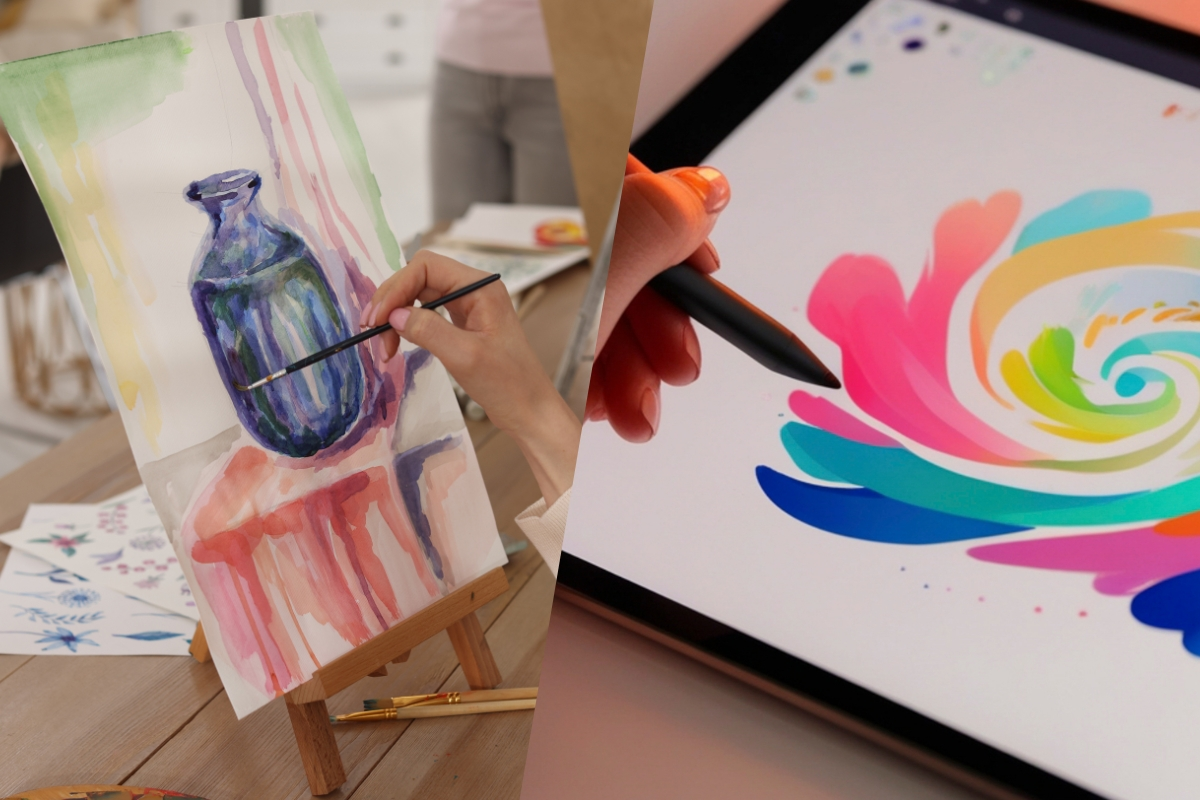
- painting to relax,
then try: - digital drawing,
and then move on to: - graphic design—
and, without even realizing it, they have acquired a creative skill that can be useful in any field.
Why hobbies are the easiest way to accumulate skills
The big mistake many people make is thinking that in order to learn something, you have to do it “seriously.” But in reality, hobbies are the best way to develop skills because:
- there is no pressure
- you don’t mind making mistakes
- you experiment without stress
- and, most importantly… you don’t get bored
When you do something just for fun, your brain learns much more easily.
How skill stacking works in practice
Let’s look at some simple examples to see just how easy it is!
Example 1: Creative hobbies
If you start:
- painting
- bullet journaling
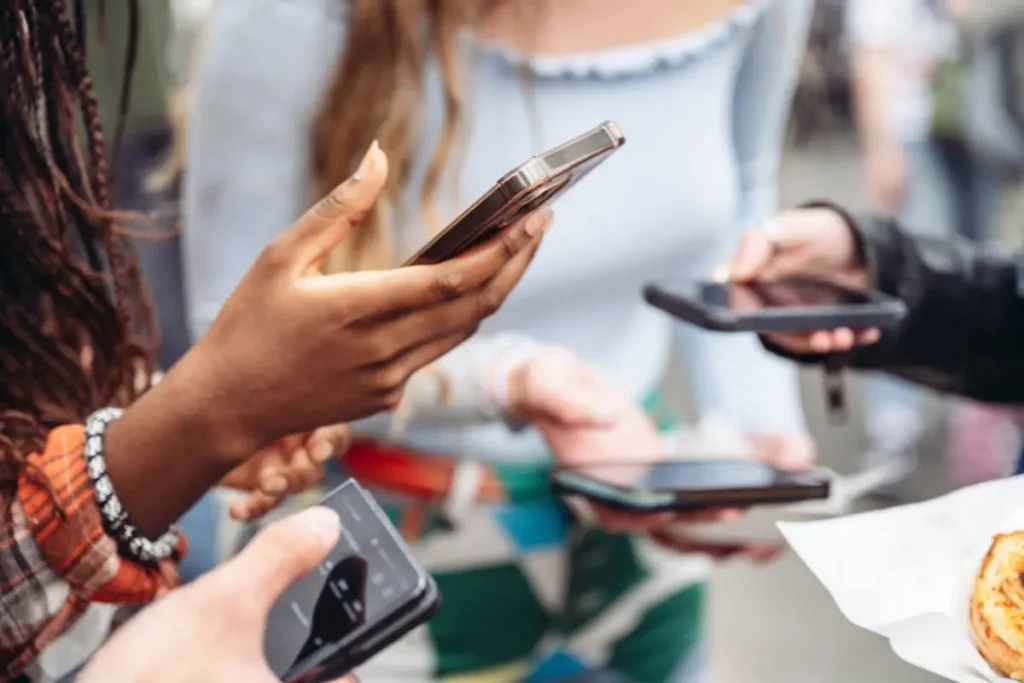
- mobile photography
without even realizing it, you learn about:
- color
- aesthetics
- composition
- creative thinking
And suddenly, you’re able to do things that once seemed difficult—like designing a post, creating something beautiful for your home, or expressing yourself creatively!
Example 2: Musical hobbies
If you start:
- playing the guitar
- songwriting
- recording something simple on your phone
without even realizing it, you gain:
- rhythm
- creativity
- self-confidence
- concentration
And the most important part? You learn to persevere at something—which, in itself, is a skill.
Example 3: Outdoor Hobbies
If you engage in:
- hiking
- nature photography
- journaling
you will learn:
- observation
- patience
- concentration
- serenity
And these are skills that influence your entire daily life.
Something no one mentions is that hobbies not only transform your free time, but also the way you think.
When you try different things:
- you don’t get bored easily
- you come up with more ideas
- you become more creative
- you gain confidence without even realizing it
And suddenly, you’re one of those people who “always has something to do.”
If you want to get off to a good start, do this:
Step 1: Choose a relaxing hobby
Start with something you genuinely enjoy—not something that stresses you out or feels overwhelming. For instance, don’t start by trying to learn classical piano if you have no idea what a musical note is; choose something simple and fun. It could be mobile photography, drawing, cooking, or even small DIY projects. The important thing is to enjoy it, because if you end up bored or stressed, you won’t be able to build up any skills.
Step 2: After a while, add something related
Once you feel comfortable with your first hobby, start adding small, related skills. If you enjoy photography, try your hand at editing or videography. If you like music, experiment with composing or recording. If you enjoy DIY, try exploring design or small home-improvement projects. You don’t have to do everything perfectly; just observe how each new skill complements the one before it. It’s like building a small toolkit for your mind: every new skill makes you a bit more capable, creative, and—without you even realizing it—impressive.
Step 3: Don’t try to be perfect
This is perhaps the most important point. Skill development is not about perfection. You aren’t going to master everything—nor do you need to. The goal is continuous improvement—making small strides each time you try something new. Give yourself permission to experiment, make mistakes, and laugh at the results. Every small skill you learn today is a piece of the bigger picture you are building for yourself. And believe me, in the end, you’ll see that all of this combined makes you much more creative and gives you greater confidence in yourself and your abilities.
What does skill development mean to you?
It doesn’t mean you have to become an expert in ten different things. It doesn’t mean you have to constantly push yourself to learn something new. And, certainly, it doesn’t mean that your hobby has to turn into a profession.
It means that every time you try something new—even if it’s something small—you add a new piece to who you are. You learn to think differently, to view things with more creativity, and to approach daily life from a fresh perspective.
Your first step in Spain
Compare the options available at local centers, official language schools (*Escuelas Oficiales de Idiomas*) where applicable, and through online courses. Ask about the entry level, the language used for instruction, the schedule, and the amount of practice required outside of class. A language exchange can complement your studies, but it is not a substitute for formal training if you need to obtain an official certification.
Original article: 2026-03-23. Edition adapted for Spain: 27 October 2026. Read the Greek original. Original author: Eleni Agiou.