Horse riding is an exciting sport that offers unique experiences and benefits, both physical and mental. However, like any activity that involves interacting with animals and physical challenges, it requires the right equipment to ensure the rider’s safety and comfort.
As a beginner rider, you might feel a bit overwhelmed by the vast array of equipment options available. It is important to understand that the right gear is not just an accessory; it is an essential element that can significantly influence your riding experience.
The right equipment serves multiple purposes:
- Safety: It protects the rider in the event of a fall or accident.
- Comfort: It allows the rider to focus on riding without discomfort.
- Control: It facilitates better communication with and control over the horse.
- Hygiene: It helps maintain cleanliness and health for both the rider and the horse.
It is important to remember that you do not need to buy everything right from the start. Many riding schools provide basic equipment for their beginner students. However, as you progress and develop your skills, you will gradually want to acquire your own personal gear.
In this guide, we will examine each essential piece of equipment that a beginner rider needs. You will learn what each item is, why it is important, and what to look for when choosing it. We will also provide some useful tips for purchasing and maintaining your equipment.
Remember that investing in quality equipment is an investment in your safety, comfort, and enjoyment while riding. With the right tools at your disposal, you will be ready to embark on your exciting journey into the world of horseback riding with confidence and enthusiasm.
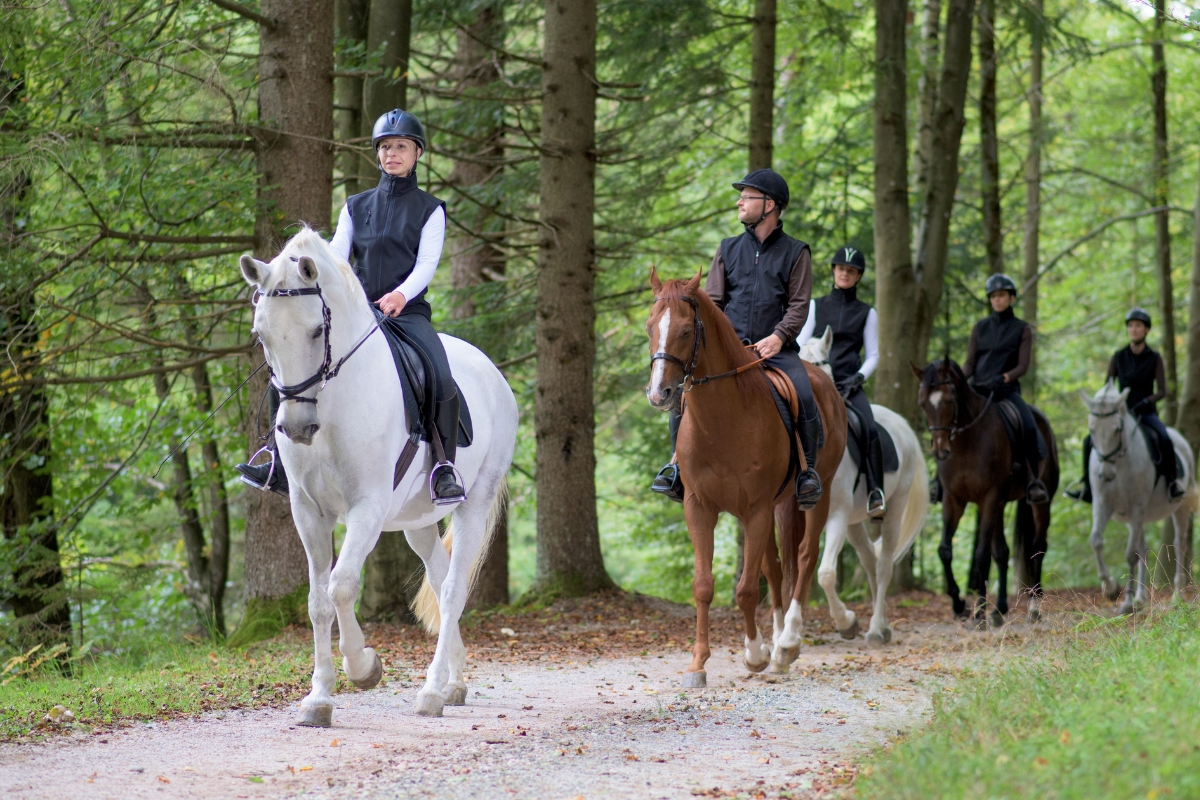
Let’s take a closer look at the essential equipment for a beginner rider:
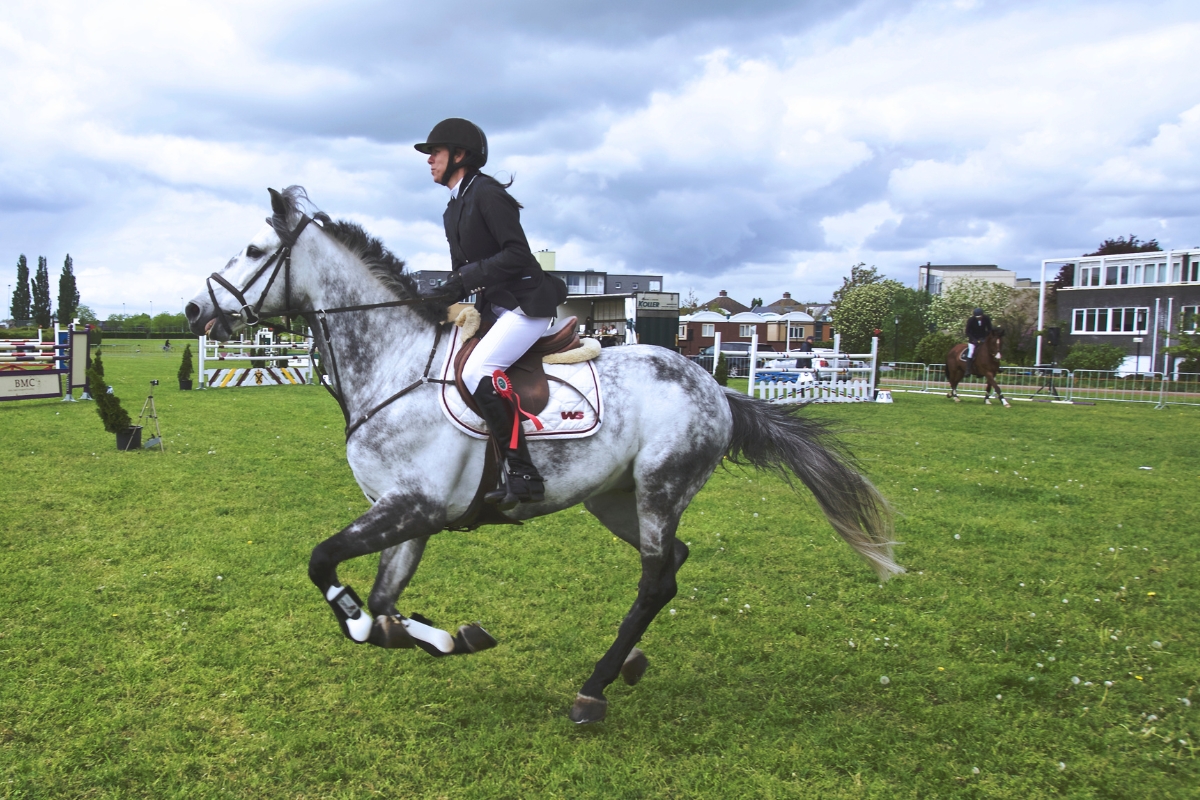
1. Riding helmet
The helmet is the most important piece of your equipment:
- It must be certified for horseback riding.
- It must fit correctly, without shifting.
- It must be replaced after a fall or every 5 years.
2. Riding breeches/trousers
Specialized riding trousers offer comfort and protection:
- They typically feature a stretchy fit.
- They have reinforcements at the points of contact with the saddle.
- They may come in various styles, such as breeches or riding tights.
3. Riding boots
Proper boots are essential for safety and control:
- They must have a small heel (2–4 cm) to prevent the foot from slipping out of the stirrup.
- They should be comfortable and protect the ankle.
- They can be short (paddock boots) or tall (tall boots).
4. Riding gloves
Gloves protect the hands and improve grip on the reins:
- They are usually made of leather or synthetic materials.
- They should fit well without restricting movement.
5. Protective vest
Although optional for casual riding, it is essential for show jumping:
- Provides protection for the torso in the event of a fall.
- It must be certified and fit correctly.
6. Riding crop
A basic tool for training and communicating with the horse:
- It is usually between 60 and 75 cm long.
- It is used to reinforce commands, not for punishment.
7. Grooming tools
For horse care before and after riding:
- Body brush
- Mane and tail comb
- Hoof pick
- Sponge for cleaning the face and nostrils
8. Towel for horseback riding
Useful for wiping off sweat after riding:
- It should be absorbent and easy to wash.
9. Horse-riding shirt
Ideally, a shirt specifically designed for horse riding should be:
- Comfortable and breathable
- Featuring a high collar for sun protection
- Preferably long-sleeved to protect against chafing
10. Riding socks
Specialized knee-high socks:
- They provide comfort and help prevent blisters.
- They often feature reinforced areas at points prone to friction.
Tips for buying equipment:
- Start with the basics (helmet, riding breeches, boots) and add the rest gradually.
- Invest in a high-quality helmet and boots—they are essential for your safety.
- Don’t hesitate to ask for advice from your instructor or experienced riders.
- Try on the equipment before purchasing to ensure a proper fit.
- Remember that good equipment is an investment in your safety and enjoyment.
With the right equipment, you’ll be ready to begin your exciting adventure in the world of surfing safely and comfortably. Enjoy your surfing!
Ask the riding centre before buying the equipment list
The centre can explain the standards, fit and equipment it requires for its lessons. A helmet, footwear and other protective items need to suit their intended use; a product that looks similar in a photograph may not meet those requirements. Do not assume a second-hand item has a known history or is appropriate without competent assessment.
Separate essentials from later purchases
Ask what can be provided initially, what you must bring and who checks fit before the session. Explain that you are new so the centre can distinguish immediate needs from items used in more advanced or specialised riding. Clothing should follow its practical instructions, not just a fashion image of the activity.
Label and care for personal equipment according to its instructions. Replacement and inspection requirements are product-specific; do not use appearance alone to decide that protective equipment remains suitable after an incident.
Before the first lesson, confirm arrival time, changing arrangements and where to meet the instructor. Do not enter a stable or handle equipment without permission. Once you have tried the activity, discuss a sensible purchase plan with the centre or a knowledgeable specialist. A small set of correctly selected essentials is more useful than a large kit that you have not been shown how to use.
Editorial revision and practical additions: HobbyDetective. The original publication date is retained. Original Greek article.