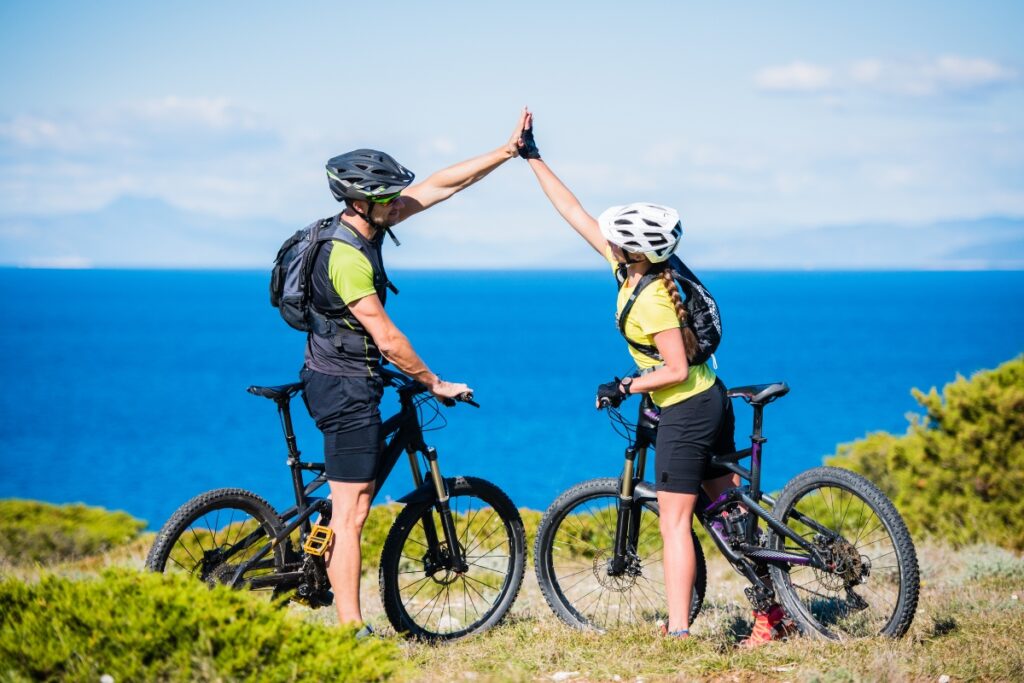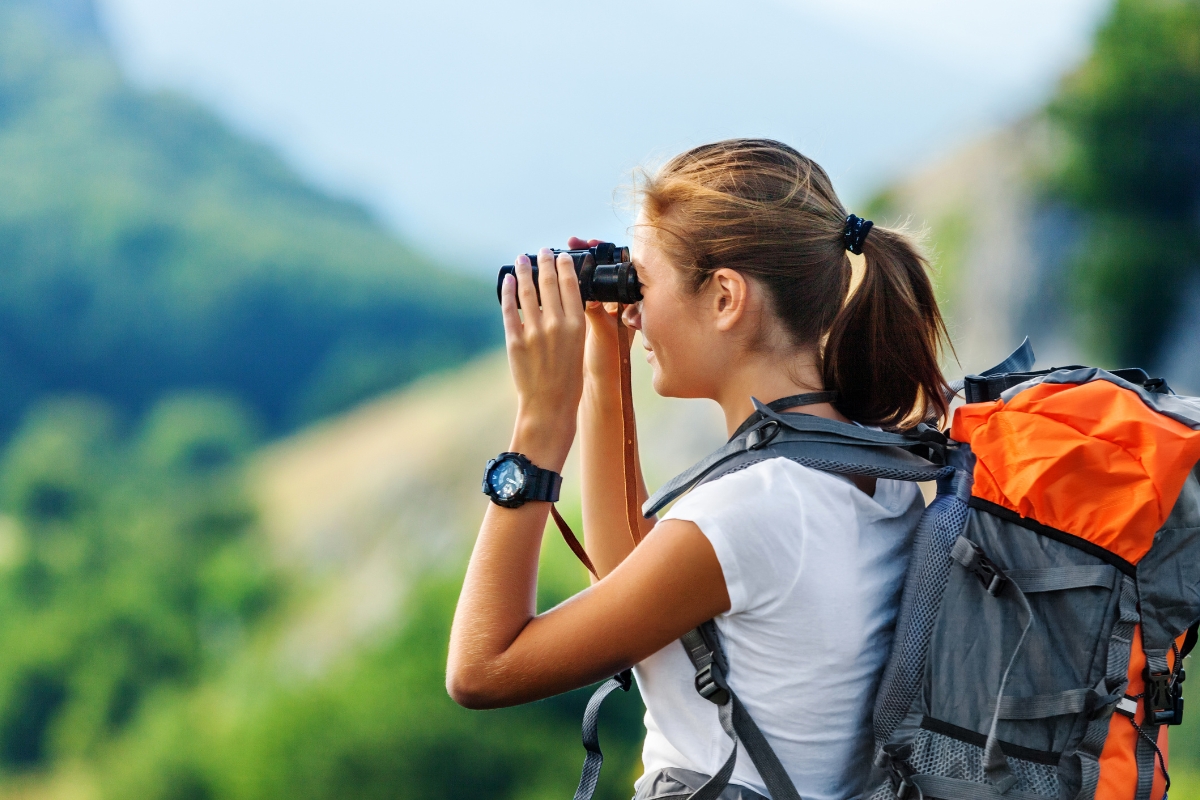
If you love nature and enjoy exploring its beautiful landscapes, you know how fascinating it can be. However, to enjoy nature safely and respectfully, there are a few things to keep in mind. Let’s look at 7 basic tips that can help you better prepare for your outing—though keep in mind that outdoor risks cannot be entirely eliminated!
Always carry the necessary equipment with you
Before heading out for an activity in the great outdoors, it is important to bring the right equipment with you. If you are going hiking, don’t forget appropriate footwear, a good backpack stocked with food and water, and a map of the area. Even if you have GPS on your phone, never overestimate your battery life or assume you will always have an internet connection wherever you happen to be. Additionally, always carry a first-aid kit—just in case.
Check the mobile phone coverage in the area and ensure you have a way to reach out for help in an emergency. Especially in remote locations, you may need alternative communication systems, such as satellite phones or tracking devices.
Nature is unpredictable and can hold surprises. Be sure to bring along items that offer extra protection or comfort, such as a waterproof shell or an extra jacket. Proper preparation is key to a safe and enjoyable outdoor adventure. By bringing everything you need, you can enjoy every moment of your adventure without stress or complications.
Check the weather forecast
The weather forecast is something you should never ignore. It is important to remember that weather in the great outdoors can change rapidly and unpredictably. Do not begin any activity if the forecast calls for storms or very strong winds. Always pack clothing suitable for various weather conditions and be prepared to adapt if necessary.
Be sure to use reliable weather websites or apps. There are also local meteorological agencies that provide detailed and accurate information for the area you plan to visit. Before your trip, check the forecast for at least the next 2 or 3 days. This will give you a general idea of what to expect. Additionally, don’t forget to check the last-minute forecast, as weather conditions can change rapidly.
If you plan to visit an area during a specific time of year, keep in mind the typical weather conditions for that season. For example, in winter, it may snow in mountainous regions, while in summer, storms may occur in coastal areas.
In addition to weather forecasts, you can learn to interpret natural signs in the environment. If you notice dark clouds forming quickly or strong winds beginning to blow, these may be signs of an approaching storm or a change in the weather.
Respect the environment
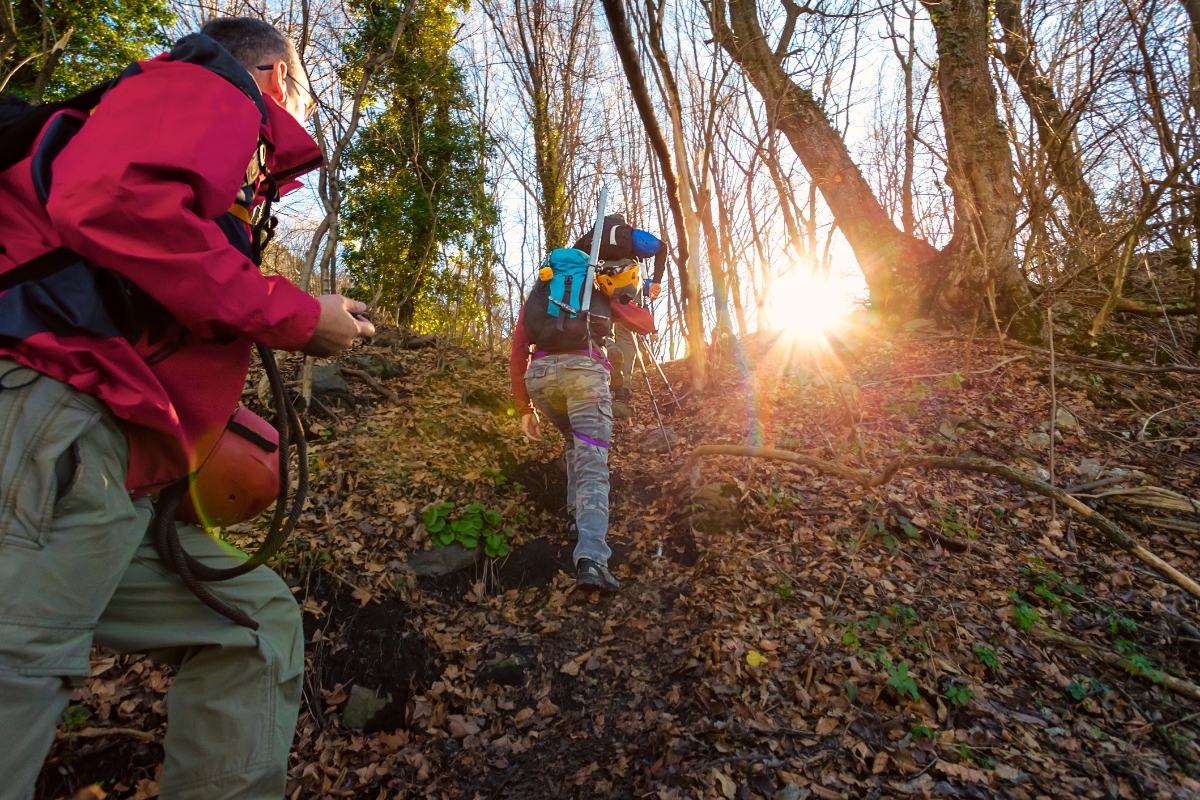
Nature is fragile and requires everyone’s protection. Do not leave trash behind, and take care not to damage the natural landscape. If you are using trails, stay on them and be careful not to harm the local flora and fauna. Environmental awareness is key to preserving the beauty of nature for future generations.
Whatever you bring in, you must take back out. Do not leave behind trash or food scraps. Use trash bags to carry out your waste, and if you come across litter that isn’t yours, feel free to pick it up and take it with you. Nature is not a trash dump.
Follow instructions and rules
In many areas, there are specific rules and instructions for safe and responsible use. There may be restrictions regarding protected zones or operating hours. Please respect and follow them, as they are designed for everyone’s safety and for the protection of the natural environment.
When visiting an area—especially one that is protected or managed—be sure to carefully read all signs and warnings. These provide valuable information about potential hazards, restrictions, and rules of conduct. If you are unsure about any rule, ask the park rangers or local administrators.
Conduct a reconnaissance
Before starting any activity, it is advisable to carry out a basic reconnaissance. Find out which trails are safe, which are dangerous, and what basic first-aid provisions might be needed. If you are unfamiliar with the area, do not hesitate to seek advice from locals or experienced hikers.
Find out if there are difficult trails, rocky terrain, or standing water. If the area is mountainous, learn about elevation changes and the steepness of the trails. This will help you choose the right equipment and prepare for the conditions you will encounter.
If the area you are visiting has established trails or facilities, check their current status. Sometimes, trails may be closed for maintenance or due to natural disasters. Also, ask about the availability of shelters, parking areas, and other infrastructure that might be useful to you.
Learn how to interact with animals
In many natural areas, you will encounter animals. Learn how to behave if you come across wildlife, as they can sometimes be dangerous if they feel threatened. Keep your distance and do not try to approach them or startle them. Also, be careful not to leave food outside your tent or car, as this can attract animals.
Remember, too, that nature is a resting place for many animal species. Avoid making noise that could disturb or frighten the animals. Try to be quiet and unobtrusive so that everyone can enjoy the beauty of nature.
Don’t forget to let someone know about your plans
Before heading out into nature, inform a friend or family member of your plans. Choose a trusted person who can handle information regarding your safety. This person should be able to take action if necessary.
Inform them of your destination, the estimated duration of your activity, and your expected time of return. Should something go wrong, this information will help the authorities locate you more quickly.
Once you have completed your excursion, get in touch with your contact to let them know that you have returned safe and sound.
These are some basic tips that will help ensure your outdoor adventure is safe and enjoyable. Whether it’s a leisurely stroll through the woods or a more demanding hike, preparation and respect for the environment are key. Enjoy your exploration, and don’t forget to take in the beauty of the nature around you—all while staying safe!
Your first step in Spain
Look for a beginner-friendly activity near home and discuss your experience level before booking. Confirm the necessary equipment, requirements, insurance coverage, and the policy for bad weather. When outdoors, check for any alerts or restrictions specific to the location—conditions vary between the coast, the interior, and the islands. Choose an activity based on your own preparation and the guidance of professionals, rather than relying solely on a photograph or a difficulty label.
Original article: 2024-09-02. Edition adapted for Spain: 27 October 2026. Read the Greek original. Original author: Eleni Agiou.