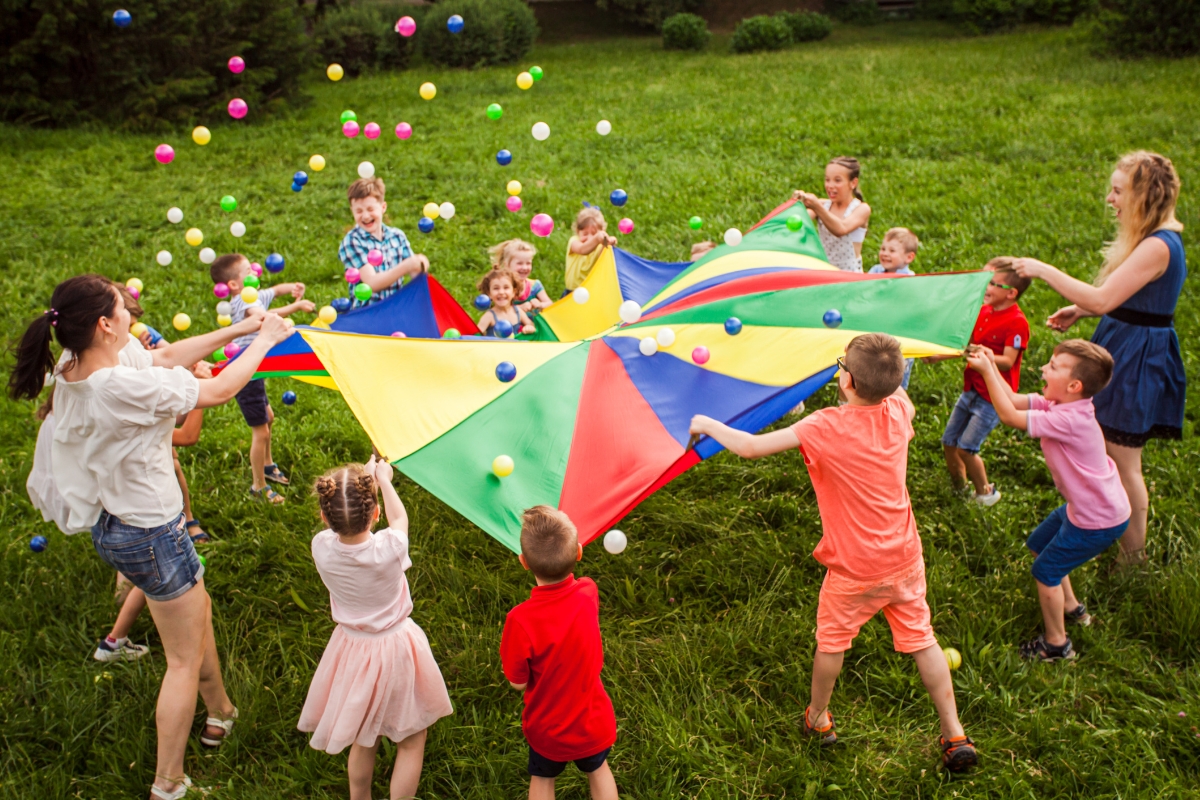
Working with children can be a fantastic experience, but there are a few things to keep in mind to ensure that everyone stays safe and has a great time. Here are 7 key points to help make your activities with little ones both successful and fun:
Create a safe environment
When planning activities with children, one of the most important steps is creating a safe environment. This goes beyond just checking for obvious hazards; it also involves thinking about how to minimize potential risks and enhance the children’s safety.
Before starting any activity, examine the area for dangerous corners, sharp surfaces, or objects that could cause injury. If you engage in outdoor activities, such as hiking or playing at a playground, ensure that you take the necessary precautions and constantly monitor the situation.
Additionally, make sure that all equipment used is in good condition and is appropriate for the children’s age. Remember that prevention and preparation are essential for a safe and enjoyable experience for children.
Consider age appropriateness
Each activity has its own appropriate age range. Choose activities that are suitable for the children’s age and developmental level.
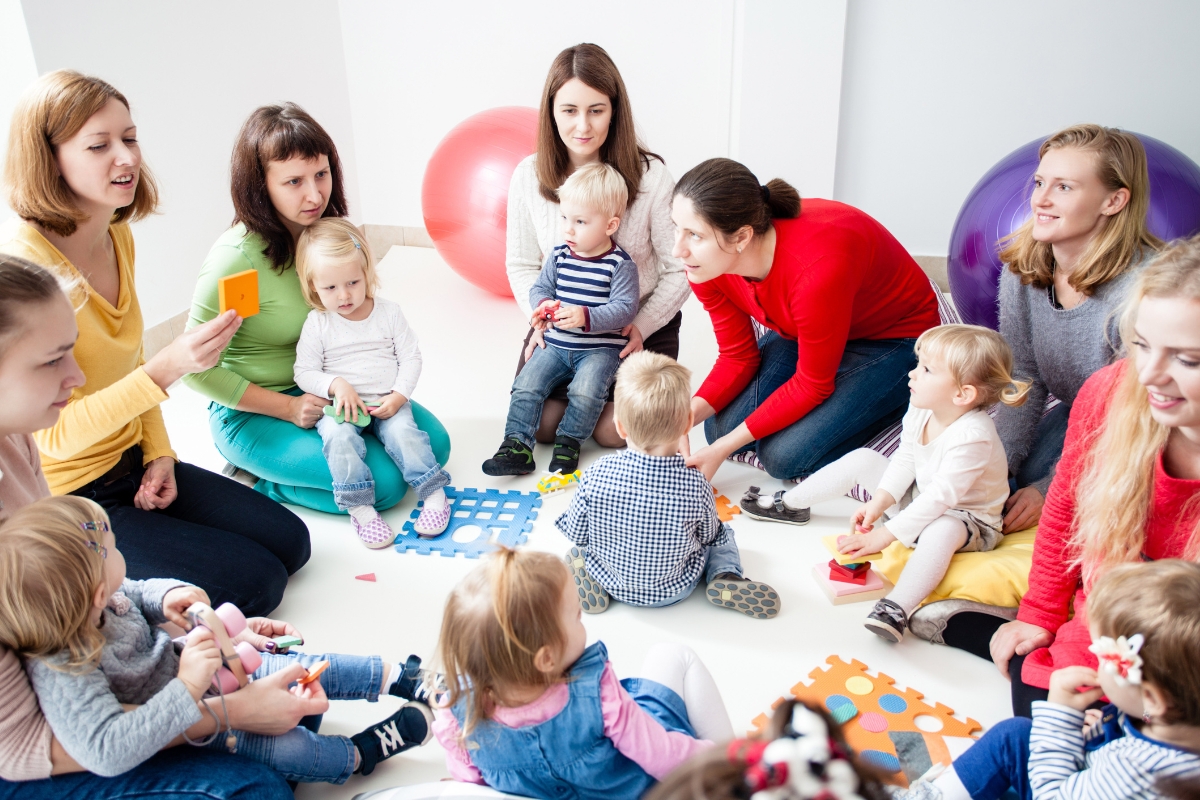
For toddlers (ages 1 to 4), choose activities that encourage movement and exploration, such as simple ball games, playing with modeling clay, or water-based activities. For preschoolers (ages 4 to 6), you can offer activities that require greater motor coordination and social interaction, such as building games, simple sports, or group games that promote the development of social skills.
Children between the ages of 6 and 9 can participate in activities that require more concentration and strategy, such as games with rules, building with more complex materials, or activities involving logic and problem-solving. For older children (ages 10 and up), you can suggest activities that involve more complex skills, such as sports, excursions, or creative projects that require planning and creativity.
The duration of the activity should also be appropriate for the children’s age. Younger children may lose interest quickly, so it is best to keep activities short and fun, while older children can engage in longer activities.
Recognizing and respecting boundaries
Each child has their own boundaries and preferences. Be quick to notice if a child shows signs of tiredness or is not enjoying the activity. Do not pressure children to participate if they do not want to or do not feel comfortable. Respect their feelings and allow them to choose whether or not to participate.
During the activity, observe the children’s reactions closely. If you notice a child showing signs of anxiety, fatigue, or frustration, it may be a sign that the activity is not suitable for them or that an adjustment is needed. Encourage children to express how they feel about the activity. Create an environment where they can speak freely about their needs and desires, and show them that you are listening and understand what they are saying.
If a child feels uncomfortable with an activity or shows signs of emotional distress, it is important to respect this and not pressure them to participate. You can offer alternative activities or provide time for them to rest, if necessary.
Giving clear instructions
When explaining the activity, use simple, easy-to-understand instructions. Do not assume that the children know what to do. As you proceed, show them step-by-step how to do it, and be sure to offer encouragement and reassurance.
Choose words and phrases appropriate for their age. Avoid using complex concepts or technical terms that might confuse younger children. Simple, clear language makes understanding easier. When describing an activity, break it down into simple, easy-to-understand steps. For example, instead of saying “build a structure,” say “gather the materials, cut the paper into small pieces, and glue them onto the cardboard.”
Use visual aids—such as images, drawings, or models—to illustrate instructions. Show the children how to perform an action or activity rather than relying solely on verbal instructions. This is especially helpful for children who learn best through observation. Repeat the basic instructions if necessary, and check that the children understand what they need to do. Ask them to repeat the instructions in their own words to verify that they have understood correctly.
Focus on having fun.
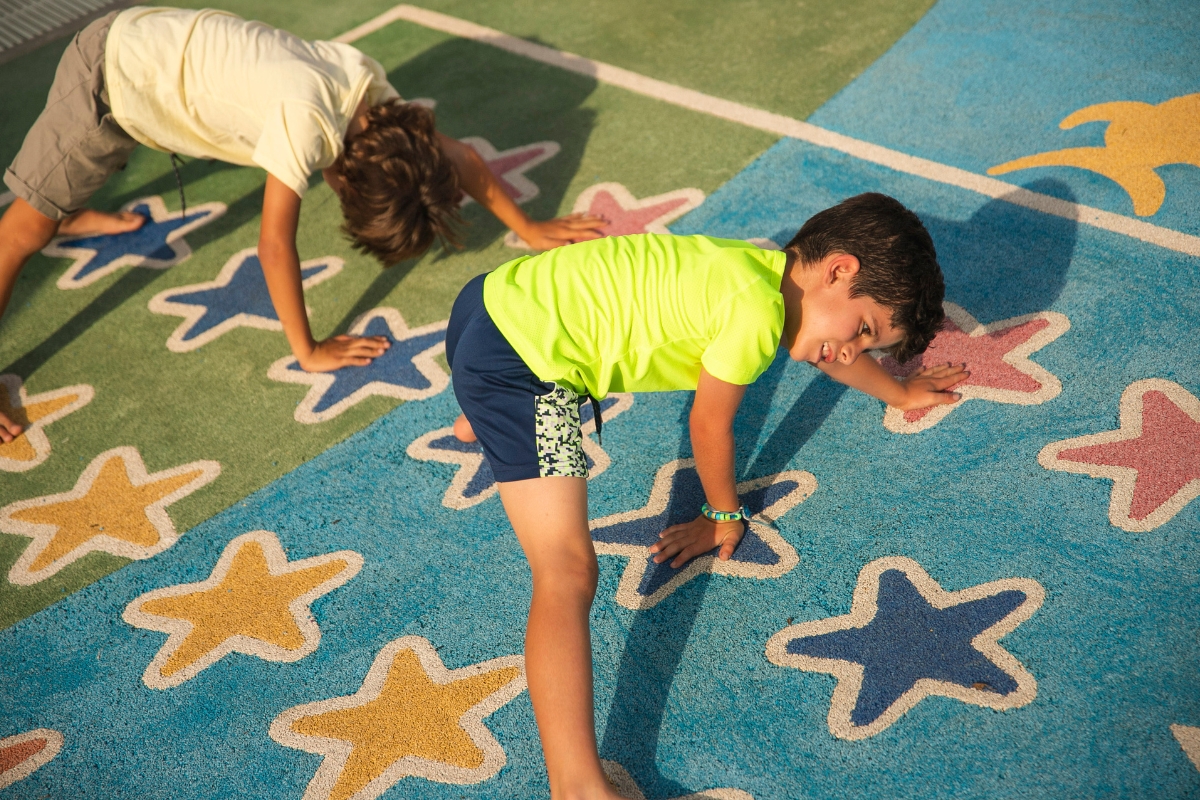
The main goal of the activity is to have fun. Do not focus too much on doing everything perfectly. In fact, children are more likely to remember the good times and the pleasant atmosphere than the flawless execution of the activities.
Encourage and reward the children’s participation, and avoid negative or critical comments. Create a positive, supportive environment that encourages children to take part and give it a try.
Encourage cooperation.
If the activity involves group work, encourage the children to help one another and cooperate. Provide them with opportunities to work together and learn the value of teamwork. This will help them develop social skills and feel like part of a team.
Choose activities that require the cooperation of all the children. Games that require coordination and teamwork—such as building projects, team competitions, or role-playing games—foster cooperation and communication among children. Emphasize the importance of communication within the group. Explain to the children that exchanging ideas, listening to others, and expressing their thoughts are important for successful cooperation. Encourage them to talk to one another and share their ideas.
Ensure that all children have the opportunity to participate and contribute to the group work. Encourage everyone to take part, regardless of their individual abilities or personal preferences. Inclusion promotes cooperation and a sense of community.
Don’t forget to bring snacks and water.
Especially if the activity lasts for several hours, make sure to bring snacks and water. Children need energy and hydration to stay active and happy. Don’t forget to take breaks for eating and resting.
If the activity takes place outdoors, prepare a space where children can have snacks and drink water or juice. Fruits, vegetables, nuts, yogurt, and small sandwiches are excellent choices.
With these 7 key points, you’ll be ready to ensure any activity with children is both fun and safe. Remember to be flexible and open to their needs and wishes—you’ll find that the experience becomes just as enjoyable for everyone!
Your first step in Spain
Look for a beginner-friendly activity near home and explain your experience level before booking. Confirm what equipment is needed, any requirements, insurance coverage, and the policy for bad weather. For outdoor activities, check the specific advisories and restrictions for that location—conditions vary between the coast, inland areas, and the islands. Choose an activity based on your own preparation and the guidance of professionals, rather than just a photograph or a difficulty label.
Original article: 2024-09-02. Edition adapted for Spain: 27 October 2026. Read the Greek original. Original author: Eleni Agiou.