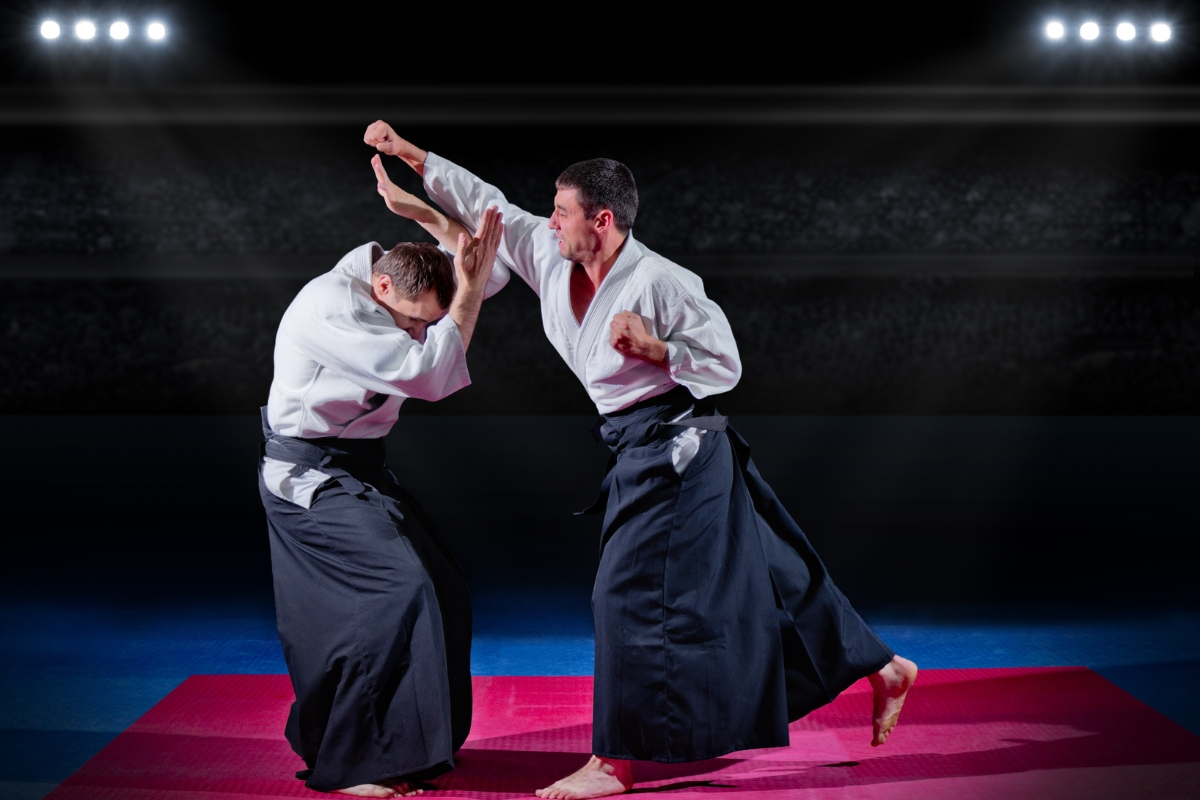
Imagine a martial art that transforms your opponent’s power into your own—an art that teaches you to move with grace and efficiency, even under pressure. This is Aikido: a Japanese martial art that combines physical exercise with spiritual development. Through its circular movements and fluid techniques, Aikido teaches you to find harmony within conflict and balance amidst chaos.
The Birth of Aikido
Aikido originated in Japan in the early 20th century. Its founder, Morihei Ueshiba—also known as O-Sensei (“Great Teacher”)—combined elements from various traditional martial arts with his own philosophy to create this unique discipline.
Born in 1883, Ueshiba dedicated himself to the martial arts from a young age. He studied several styles, including Jujutsu, Kenjutsu (the art of the sword), and Sojutsu (the art of the spear). However, following a series of spiritual experiences, he began to develop his own art, which would later become known as Aikido.
The word “Aikido” is composed of three Japanese characters:
- Ai (合): harmony, unity
- Ki (気): energy, spirit
- Do (道): way, path
Therefore, Aikido can be translated as “the way of harmony with the energy of the universe.”
The Philosophy of Aikido
Aikido is distinguished from other martial arts by its philosophy. Instead of focusing on destroying the opponent, Aikido teaches how to counter an attack through circular movements aimed at redirecting the attacker’s energy.
The basic principles of Aikido are:
- Non-violence: The goal is to resolve conflicts peacefully.
- Self-improvement: The practice of Aikido is a path of personal growth.
- Harmony: Adapting to the opponent’s energy rather than resisting it.
- Respect: For everyone, including the opponent.
The Spread of Aikido in Europe
After the Second World War, Aikido began to spread beyond the borders of Japan. The first Europeans to come into contact with this martial art were primarily military personnel stationed in Japan during the post-war occupation.
France was one of the first European countries to adopt Aikido, thanks to André Nocquet, who became a student of Ueshiba himself in 1955. Upon returning to France, Nocquet began teaching and spreading this martial art.
In Great Britain, Aikido was introduced in the early 1950s by Kenshiro Abbe, while in Germany, this martial art began to spread during the 1960s.
Gradually, Aikido spread throughout Europe, with the creation of national federations and the organization of international seminars. Today, Aikido dojos (schools) can be found in every European country.
Learn more about the different styles of Aikido here.
How to find Aikido in Spain
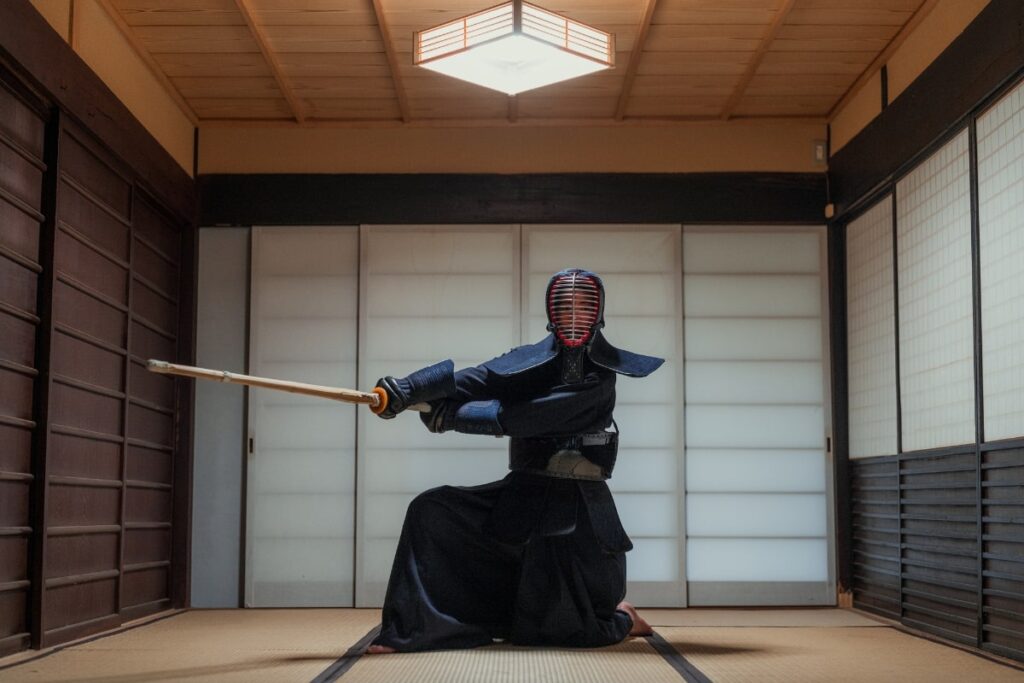
In Spain, consult the club directory of the Royal Spanish Judo and Associated Sports Federation and verify the information with the specific club and the regional federation. The directory includes disciplines such as Kendo and Aikido; confirm directly whether beginner classes are offered, who teaches them, and what requirements apply.
Ask about a trial session, the availability of equipment to borrow, insurance, and the criteria for advancement. The style listed on a website is not enough to evaluate a school: observe how techniques are explained and how the practice is adapted for beginners.
Who is Aikido for?
The best thing about Aikido is that it is suitable for everyone! Regardless of your age, gender, or physical condition, you can start practicing Aikido. Specifically:
- For children and teenagers: Aikido teaches self-discipline, respect, and self-confidence.
- For adults: It offers a unique combination of physical exercise and spiritual development.
- For older adults: The gentle, circular movements of Aikido make it ideal for seniors.
- For women: Aikido does not require physical strength, making it extremely effective for women.
- For those with anxiety: Aikido’s breathing and meditation techniques can help manage stress.
- For professionals: The principles of Aikido can be applied to professional life, enhancing communication and conflict-resolution skills.
What to expect in an Aikido class
If you decide to try Aikido, here is what you can expect in a typical class:
- Warm-up: The class usually begins with flexibility and warm-up exercises.
- Ukemi: You will learn falling techniques, which are essential for safe practice.
- Techniques: The instructor will demonstrate various techniques, which you will then practice with a partner (Uke).
- Weapons: Some classes include practice with traditional Japanese weapons, such as the *bokken* (wooden sword) and *jo* (wooden staff).
- Meditation: Many classes conclude with a short period of meditation.
Benefits of Aikido
Regular Aikido practice offers numerous benefits:
- Physical fitness: It improves flexibility, balance, and coordination.
- Self-defense: It teaches how to handle attacks in a non-violent manner.
- Stress management: Breathing and meditation techniques help reduce stress.
- Self-confidence: As you progress in the martial art, your self-confidence grows.
- Spiritual development: The philosophy of Aikido can help you develop a more serene and balanced attitude toward life.
The journey into the world of Aikido is a unique experience that combines physical exercise, spiritual development, and philosophical reflection. Through practice, you discover new ways of moving, thinking, and interacting with others. Aikido provides you with the tools to face the challenges of daily life with calm and confidence.
The philosophy of Aikido embodies a distinct approach to conflict: it does not seek to initiate a fight, yet it does not shy away from facing one. This stance reflects the art’s deepest principle—the ability to remain calm and focused even under pressure, ready to respond to any challenge in a harmonious and effective manner.
Your first step in Spain
Look for an introductory session at workshops or cultural centers in your municipality. Compare the techniques being taught, the materials provided, the group size, and whether you will be able to complete your project during the class. If practicing at home, start with a small project and purchase only the necessary materials; always check the manufacturer’s instructions, and ensure proper ventilation and the use of appropriate protective gear for each product.
Original article: 2024-10-22. Edition adapted for Spain: 27 October 2026. Read the Greek original. Original author: Eleni Agiou.