As parents or guardians, we know how important it is to keep our children occupied with activities that are not only fun but also educational. Whether you are looking for ideas for an afternoon or for the summer holidays, there is a wide variety of creative activities that can foster learning, stimulate the imagination, and promote the development of new skills.
Let’s explore some ideas!
Arts and crafts
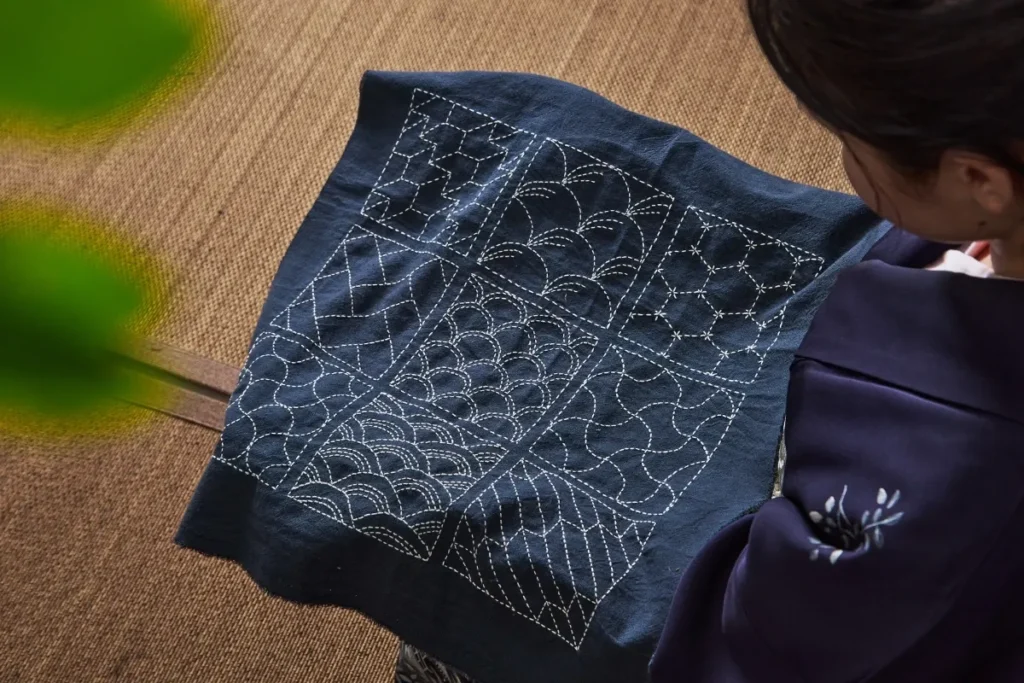
Painting, drawing, crafting, and other artistic activities are excellent ways to encourage children’s creativity and self-expression. Gather materials such as paints, brushes, paper, scissors, and glue and let the children experiment. You can also try more structured projects, such as making collages, modeling with clay, or even weaving on a small loom.

Cooking and baking
Involving children in food preparation can teach them valuable life skills while reinforcing concepts in math and science. Start with simple recipes like fruit salads, sandwiches, or cookies. As children grow older, you can try more elaborate dishes. Don’t forget to emphasize the importance of kitchen safety, and always supervise children when they are using knives or appliances.
Gardening and outdoor activities
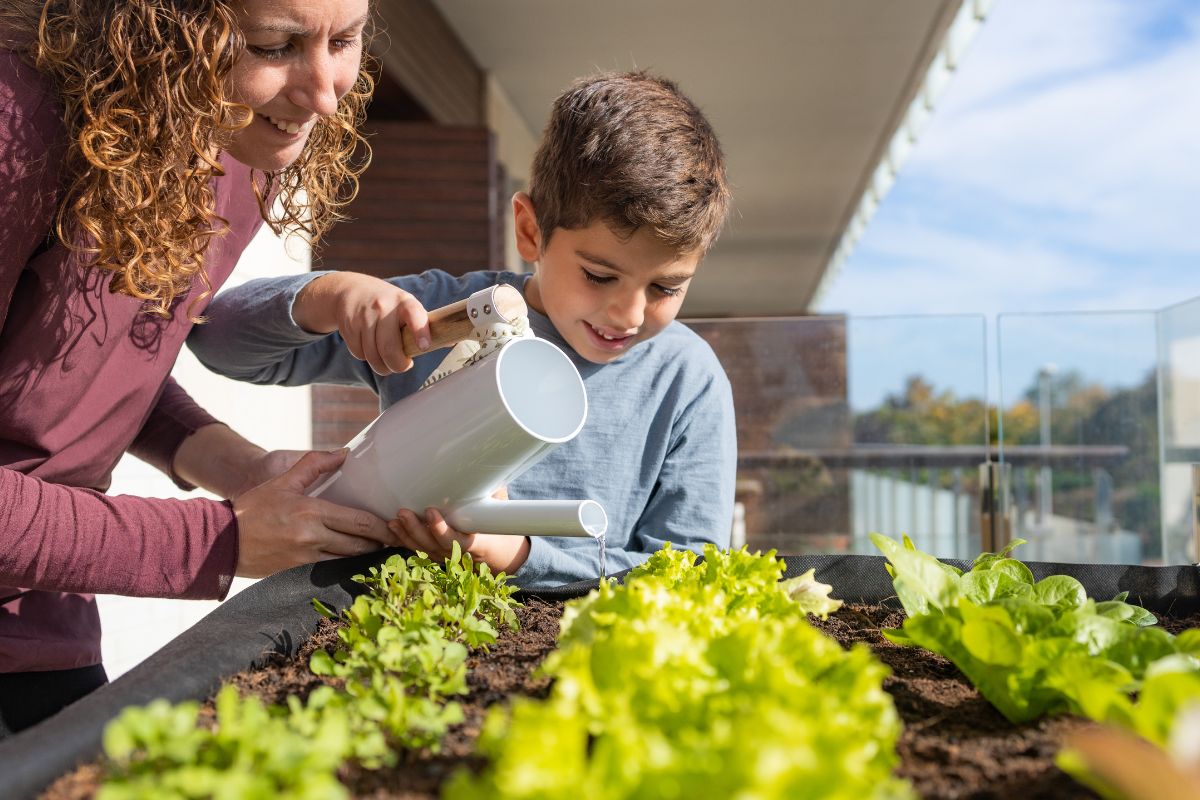
Gardening is a great way to connect children with nature and teach them about the life cycle of plants. Create a small vegetable or herb garden and let the children participate in planting, watering, and harvesting. Other outdoor activities could include birdwatching, collecting leaves or insects (and releasing them afterward), or even camping in the backyard.
Role-playing and theater
Role-playing and theater can stimulate children’s imaginations and improve their language and social skills. Encourage them to create their own characters and scenarios, or offer suggestions like “toy store,” “school,” or “safari.” You can also help them set up a small stage with curtains and simple props.
Scientific experiments and STEM projects
Introducing children to scientific concepts at an early age can foster a lifelong love of learning. Simple experiments—such as creating a “lava” effect with baking soda and vinegar, growing crystals, or building clay volcanoes—can be both exciting and educational. You can also find many STEM projects online, ranging from building simple robots to programming games.

Regardless of the activities you choose, remember that the goal is to spend quality time with your children and encourage them to explore their interests and talents. Be present and get involved, but also leave room for independent play and discovery. With a little creativity and planning, you can fill their days with fun and educational activities.
Which activities will you try first with your children?
Remember, you don’t have to be an expert; The most important thing is a willingness to learn and explore alongside them. And don’t forget to enjoy the process! Childhood is a magical journey, and you are lucky enough to be the guide on this adventure. Do your best, laugh often, and savor every moment. Have fun!
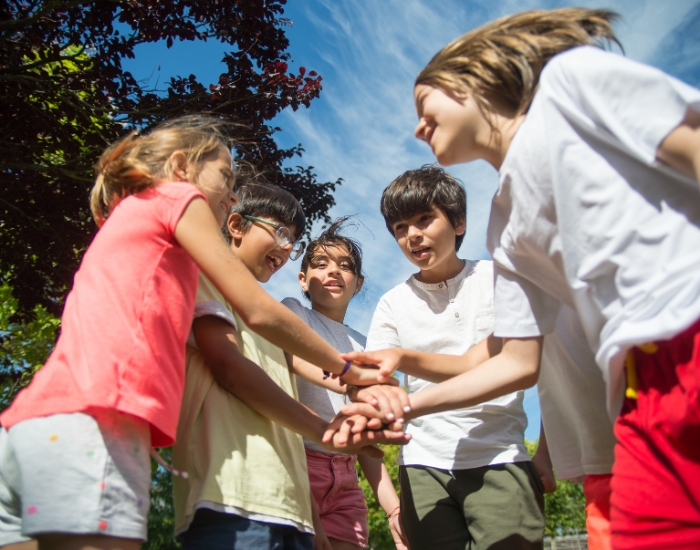
Children have countless ways to create, experiment, and discover what they truly enjoy. All it takes is the right spark—and perhaps an activity they haven’t tried yet.
HobbyDetective Spain is preparing its community and experiences. Explore what is coming next. HobbyDetective
Your first step in Spain
Look for an introductory session at workshops or cultural centers in your local area. Compare the techniques being taught, the materials provided, the group size, and whether you’ll be able to complete your project during the class. If you’d like to practice at home, start with a small project and purchase only the necessary materials; always check the manufacturer’s instructions, and ensure you have proper ventilation and the right protective gear for each product.
Original article: 2024-08-09. Edition adapted for Spain: 27 October 2026. Read the Greek original. Original author: Eleni Agiou.