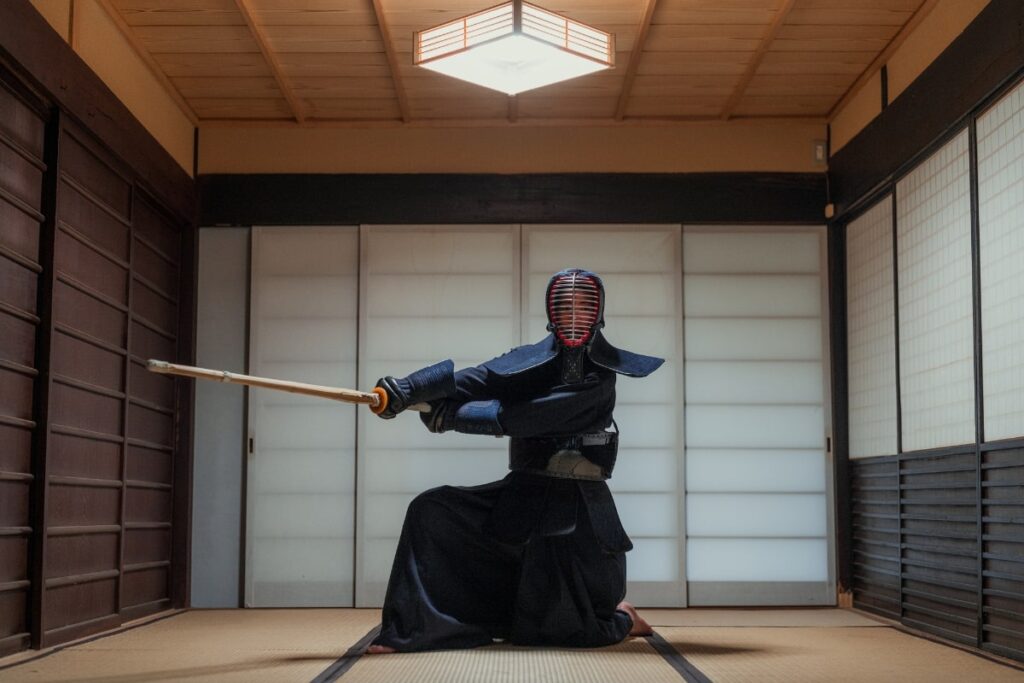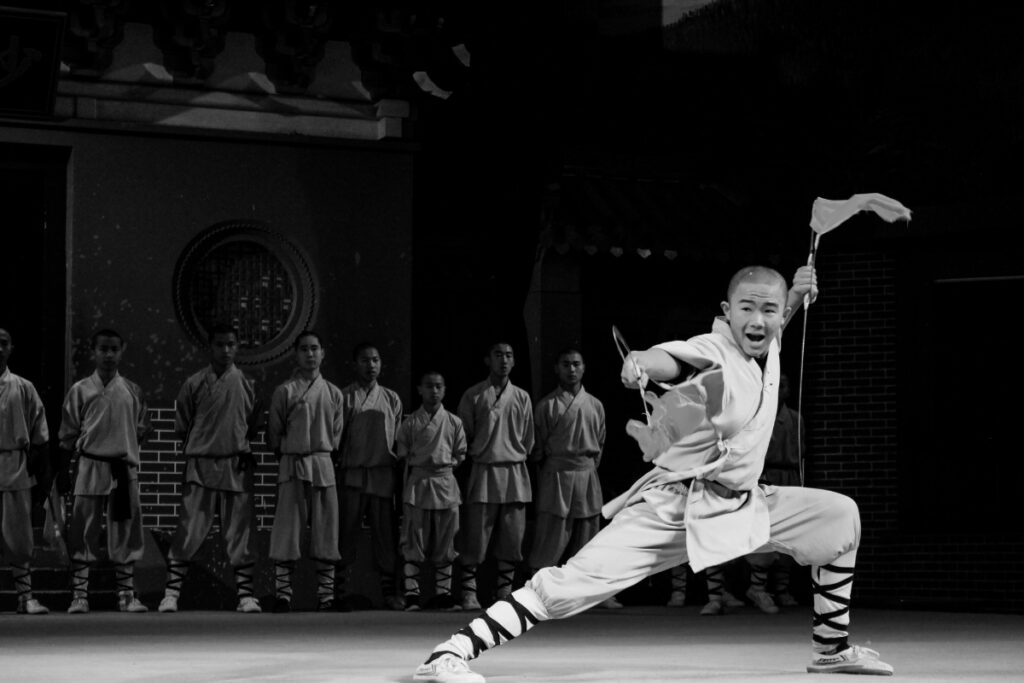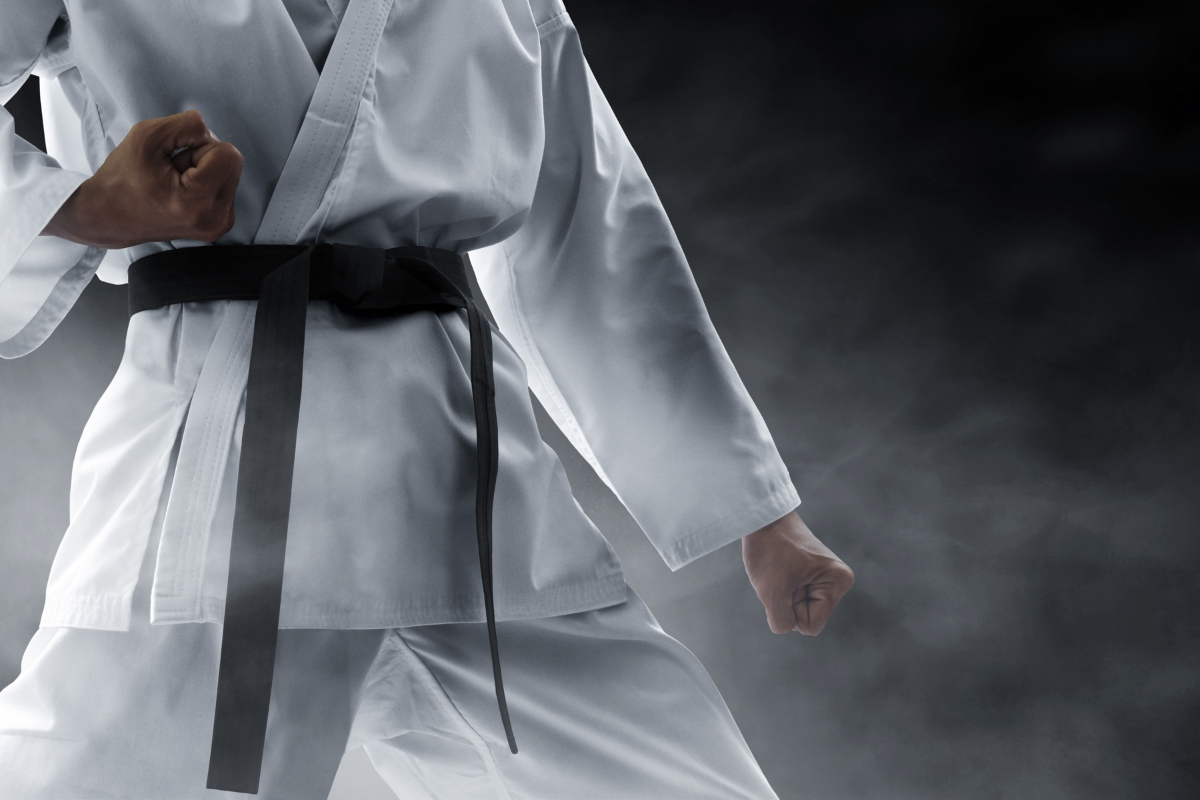
Have you ever thought about practicing a martial art? If so, keep reading—this guide contains everything you need to get started. If you tend to view martial arts as something violent or pointless, don’t worry: this article will help you understand why they are well worth trying.
Martial Arts: What they are and why you should try them
Martial arts are more than just a form of self-defense; they are a way of life. They stem from ancient traditions and philosophies that emphasize physical and mental discipline, self-control, and respect. There are hundreds of different martial arts styles, including—most notably—karate, judo, taekwondo, Muay Thai, and kickboxing.
Regardless of your age or physical condition, learning a martial art can offer tremendous benefits for both your body and mind. You don’t need to be a champion to enjoy these benefits; simply participating actively and following your instructors’ guidance is enough.
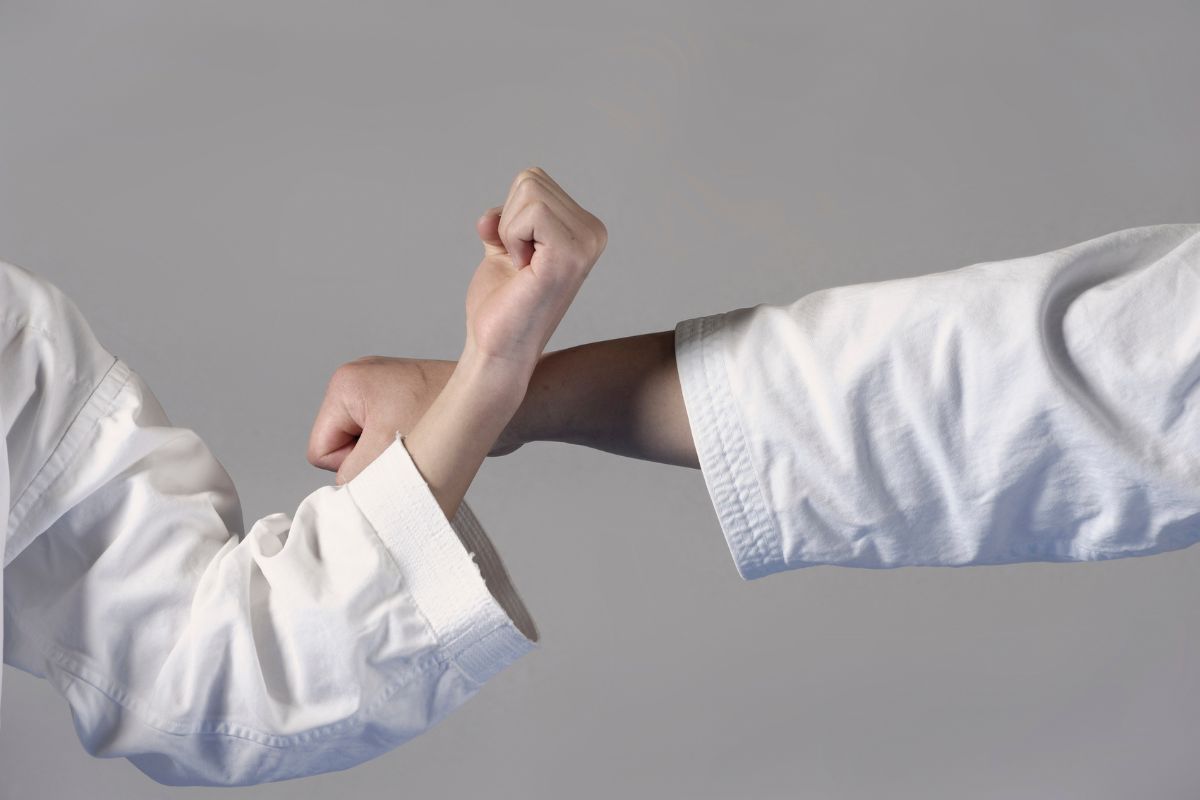
How to get started with martial arts
First, you need to decide which style of martial art interests you most. Try out a few beginner classes or ask for advice from friends who already practice martial arts. Each style has its own unique characteristics and requirements, so it is important to find the one that best suits your preferences and abilities.
Once you have decided on a style, start looking for reputable schools in your area. A quick online search will give you an idea of the available options. When visiting potential schools, pay attention to the atmosphere, the facilities, and the conduct of the instructors and other students. A friendly and supportive environment is essential for feeling comfortable and learning effectively.
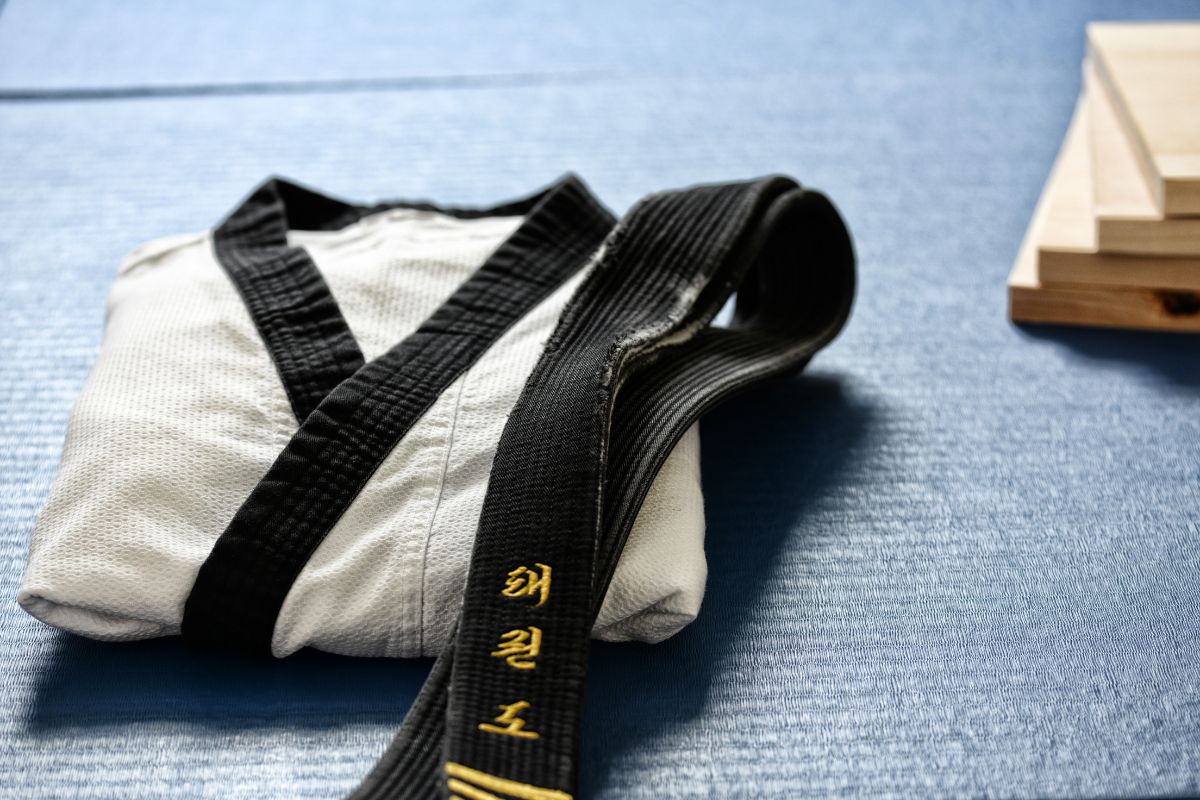
Before starting classes, make sure you have the proper equipment. Most martial arts require specific training uniforms (gi, dogi, etc.), while others, such as Muay Thai, require gloves and shin guards. Don’t hesitate to ask the school about the necessary gear and where you can obtain it. Also, remember to always bring a water bottle to stay hydrated during your training.
What to expect in your first few classes
Your first few martial arts classes might feel a bit strange or demanding, especially if you have never engaged in similar activities before. But don’t get discouraged! The instructors are there to guide you and help you understand the basic principles and techniques.
At the beginning, you will spend a lot of time practicing stances, basic movements, and flexibility exercises. This is completely normal: martial arts require correct posture and body control before moving on to more complex defensive and offensive techniques. Listen carefully to the instructor’s directions, and do not hesitate to ask if something is not clear to you.
Another fundamental skill you will learn from the start is the *kiai*—the shouts or “vocal bursts” used in martial arts. These forceful vocalizations are not just for show; they help with proper breathing, concentration, and the transfer of energy when executing techniques, and they can also serve to deter a hostile opponent.
Patience and perseverance: the keys to success
As with any new skill you set out to acquire, learning martial arts requires patience, determination, and consistent effort. Do not get discouraged if the movements and progressive combinations do not come naturally to you right away. Simply practice regularly, pay close attention, and do not hesitate to ask for help when you need it.
It is also important to respect the traditions and hierarchy of martial arts. Instructors possess deep knowledge and experience, gained through years of hard work. Follow their instructions and show respect to more advanced students. In this way, you will be able to progress and earn the respect of others.

Benefits of martial arts
Beyond learning self-defense techniques, martial arts offer many additional benefits for both the body and the mind. First and foremost, they provide an excellent cardiorespiratory workout that improves physical fitness, flexibility, and muscle tone. Furthermore, they help develop better coordination, perception, discipline, and self-control.
On a spiritual level, the systematic training and philosophy underlying martial arts contribute to reducing stress and nervousness by teaching breathing and concentration techniques. At the same time, they boost your confidence and self-esteem as you begin to notice your progress—both physical and mental.
What are you waiting for? Discover martial arts today and let them transform your life for the better! You have everything to gain in terms of health, strength, discipline, and self-confidence. And who knows? You might just discover a new way of life and a new way of thinking that will stay with you forever.
At Hobby Detective, you can explore various sports activities and find classes or groups where you can start from scratch.
HobbyDetective Spain is preparing its community and experiences. Explore what is coming next. HobbyDetective
Choose the training environment before choosing an identity
A martial-arts name does not tell you whether a particular class is recreational, competitive, fitness-focused or designed around a specific syllabus. Explain what interests you and ask what beginners actually practise. Demonstrations show possibilities; an ordinary class shows how learning is organised.
Observe a few practical details
Look for clear instruction, suitable partner matching and a way to stop or ask for an alternative. Ask about contact, protective equipment, membership and any grading or competition costs. Check whether a first-time group is available rather than assuming that every session accepts newcomers.
If you have relevant limitations, discuss them with an appropriate professional where needed and with the instructor before practice. Do not test techniques on friends or treat a few lessons as a guarantee of self-defence ability. Contact and weapon work require their own supervised progression.
After a trial, consider the teaching, atmosphere and timetable. You can be interested in the history or philosophy without needing to commit to the first club you visit. Choose a course you can attend consistently, borrow or buy equipment according to its actual requirements and review the experience after an initial period. There is no need to decide immediately on grading, competition or long-term training intensity.
Related reading
- The philosophy of karate: How its principles can transform your life
- The history of martial arts: an overview of their development from antiquity to the present day
Editorial revision and practical additions: HobbyDetective. The original publication date is retained. Original Greek article.