If you’re looking for a fun activity that combines exercise, enjoyment, and a sense of freedom, roller skating is perfect for you. Whether you’re a beginner or more experienced, this article covers everything you need to know to get started or improve your skills.
What is roller skating?
Roller skating is the art and practice of moving on wheels, offering a unique sense of freedom and fun.
Roller skating basics: What you need
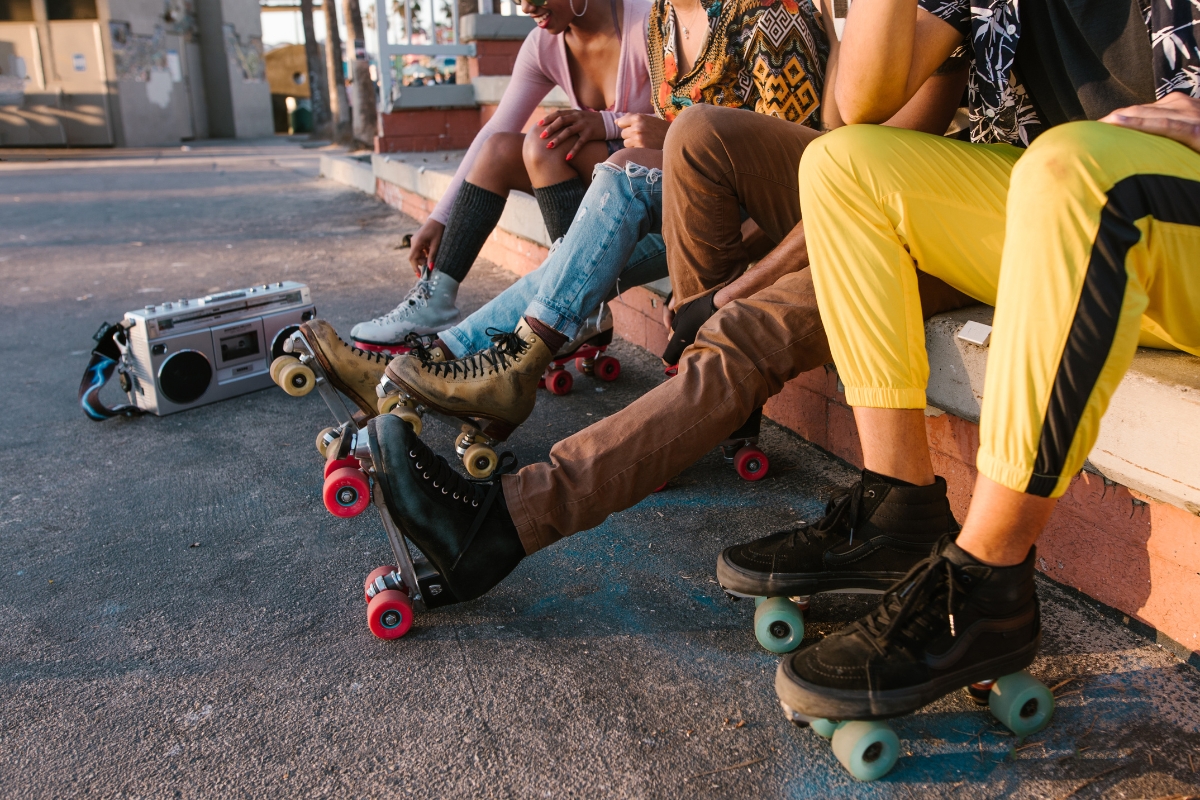
- Skates: Choosing the right pair is the first step. These skates feature four wheels arranged in two rows, which provides great balance!
- Safety gear: You will need a helmet, knee pads, elbow pads, and wrist guards. Skating can be risky, especially for beginners. Safety gear will protect you from falls and unexpected injuries.
- Comfortable clothing: Wear clothes that allow for freedom of movement and keep you comfortable while you’re on the move. Sportswear is ideal.
Basic techniques to learn
- Balance: When taking your first steps, try to keep your feet shoulder-width apart and bend your knees slightly. This will provide better balance and control.
- Pushing and gliding: Push off lightly with one foot and glide on the other. Repeat, alternating between both feet. It’s important to stay relaxed and go at your own pace.
- Turning: Start with basic turns by leaning your body in the direction you want to turn and pushing with the opposite foot. Over time, this will become more natural and faster.
- Braking: Most skates have a brake at the back. Use it by applying pressure with your foot. There are other braking techniques, such as the T-stop, which you can learn with practice.
Where to skate
There are many options, depending on your preferences:
- Parks and plazas: Ideal for beginners, as they usually offer a flat surface and plenty of space to practice.
- Skate parks: These are designed for more advanced skaters and feature ramps, half-pipes, and other challenges.
- Promenades: If you want to enjoy the seaside while skating, promenades are the best option.
Tips for improvement
- Don’t get discouraged: Roller skating takes time and patience. Every fall brings you one step closer to improvement.
- Practice frequently: The key is practice. Start with short sessions and gradually increase the duration.
- Watch videos and look for lessons: There are many videos online featuring techniques, exercises, and tricks that will help you improve. You can also look for roller skating classes if you prefer to learn from an expert.
- Practice with other skaters: Connecting with people who share your interests will help you improve faster and make it easier to learn new techniques.
Skating and health
Skating is an excellent workout for both body and mind. It builds endurance, tones leg muscles, and improves cardiorespiratory health. Plus, it’s a lot of fun and helps to reduce stress and boost your mood.
The cost of skating
The initial investment primarily covers the skates and safety gear—and remember, you can skate for free in public spaces. There are options for every budget, ranging from affordable beginner skates to specialized equipment for advanced skaters.
Challenges and fun
The best part about skating is the feeling of freedom and the fact that there is always something new to learn. You can try out tricks, take part in roller-skating events, or simply relax and hang out with your friends.
What do you think? Ready to take your first steps in roller skating? Whatever you decide, remember to enjoy the ride. After all, skating isn’t just exercise—it’s a lifestyle!
Learn how to stop before planning a roller-skating route
A smooth promenade can still contain slopes, drainage covers, crowds and surfaces that behave differently in wet weather. Start in a suitable designated or supervised practice area, and learn the relevant stopping and falling skills through instruction before entering a busy shared route.
Quad skates and inline skates have different setups. Ask a knowledgeable instructor or supplier about fit, maintenance and the protective equipment appropriate to your activity. Do not assume a decorative boot or a second-hand pair is ready to use without inspection.
A first-session checklist
- Confirm the surface and weather are suitable for the session.
- Check the skates and fastenings as instructed for that model.
- Wear the appropriate protective equipment and understand its limits.
- Leave enough room to practise without crossing another person’s path.
For children, check the organiser’s age and supervision requirements rather than choosing only from shoe size. If you want to skate outdoors later, ask about local access rules and a route that matches your current control. Being able to move forward is only one skill. A useful first goal is starting, slowing and stopping predictably in the practice setting, with enough awareness to share the space respectfully.
Related reading
- Team sport or individual activity: Which will you choose?
- 7 things to keep in mind when going for a run
Editorial revision and practical additions: HobbyDetective. The original publication date is retained. Original Greek article.