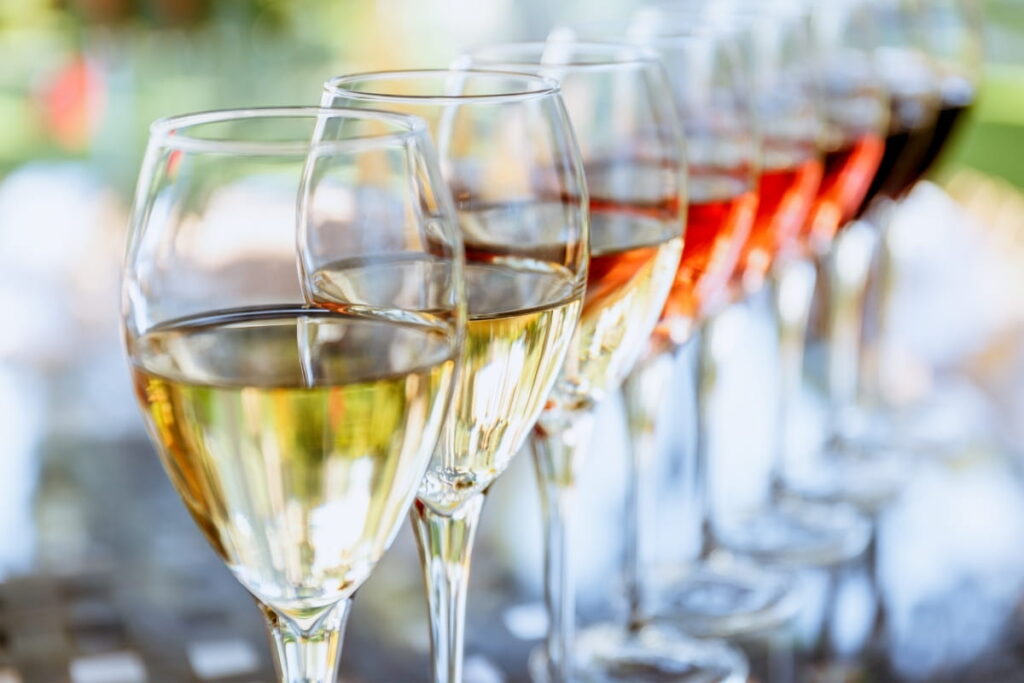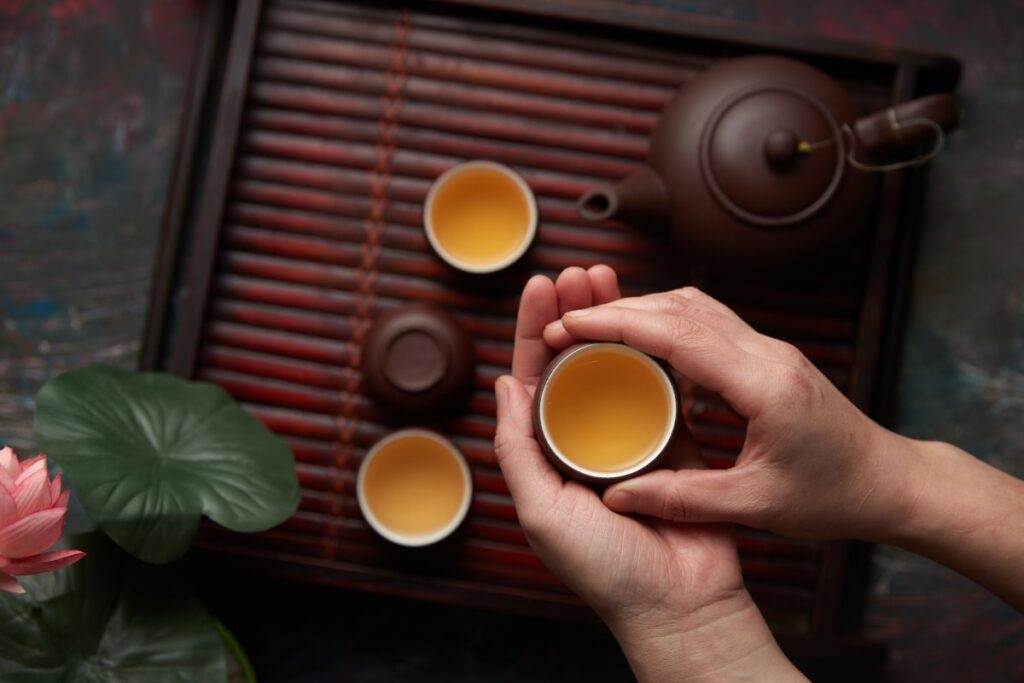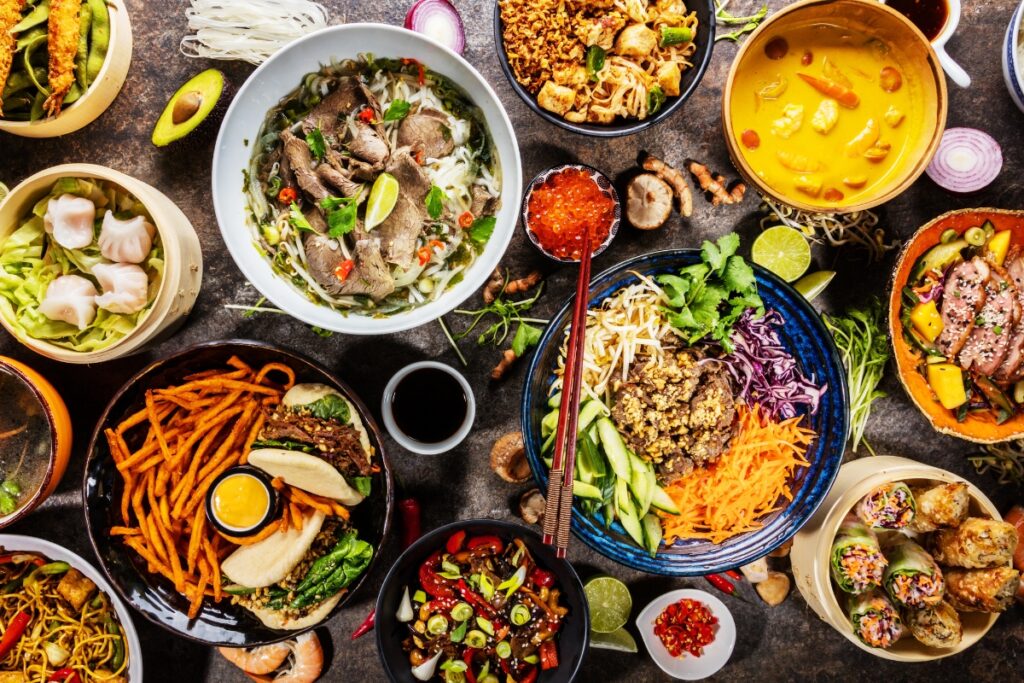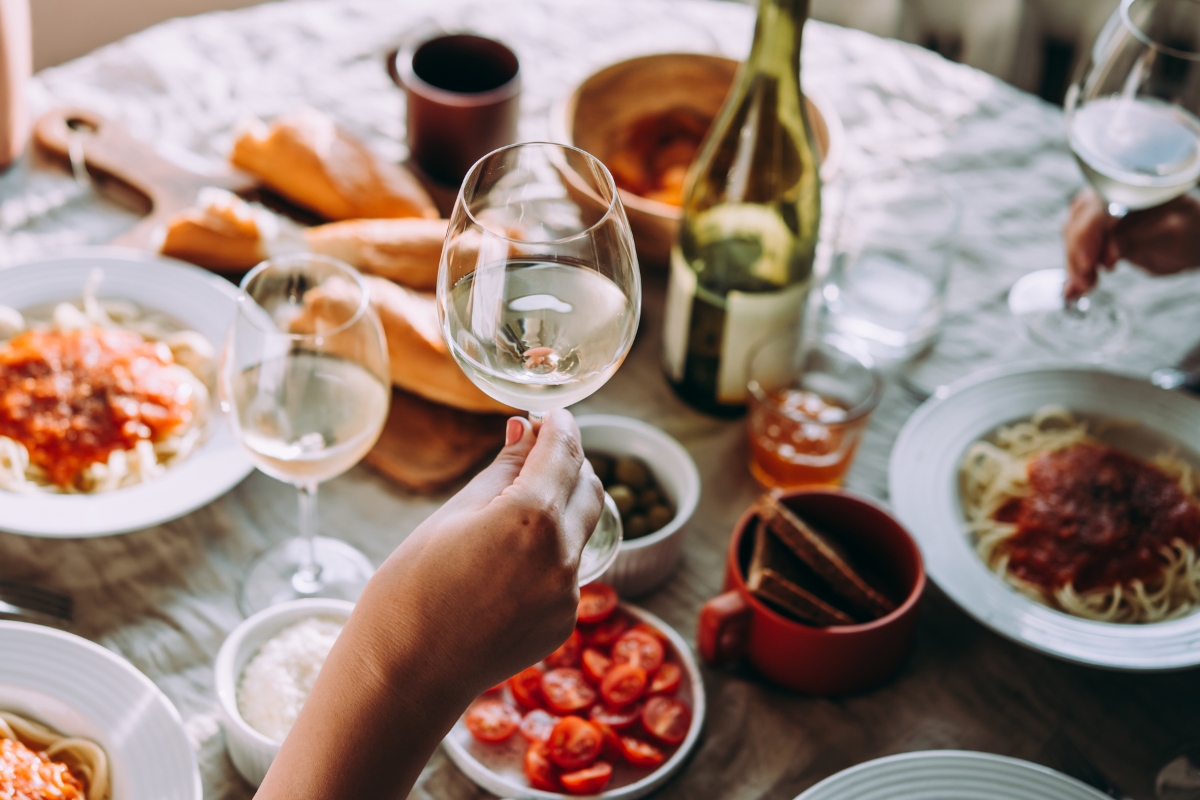
Think back to a time when you were enjoying a great meal and, upon taking a sip of wine, all the flavors suddenly exploded in your mouth… This magical combination is the art of pairing; master it, and you can turn every meal into a small celebration of flavors and senses.
First of all, you don’t need to be a sommelier to succeed. Keep a few basic rules in mind, trust your palate, and—above all—have fun! Below, we’ll share some tips to help you become a food-and-wine pairing expert at your own table, sure to impress your friends and acquaintances.
Flavor Harmonies
The simplest rule: pair dishes and wines that share similar flavor profiles. When food and wine have similar flavor profiles, they come together to complement and enhance one another.
For instance, a rich, creamy dish—such as chicken in a cream sauce—pairs perfectly with a full-bodied white wine, like a Chardonnay.
On the other hand, a delicious pasta dish with a red sauce pairs beautifully with a Chianti or a Sangiovese; their high acidity helps balance the sweetness of the tomatoes and the rich flavors of the sauce.
Alternatively, if you decide to cook lamb with oregano and lemon, a Xinomavro or a Garnacha would be an ideal choice. With its acidity and earthy notes, Xinomavro enhances the aromas of the meat, while Garnacha adds a warm, fruity quality that complements Mediterranean spices.
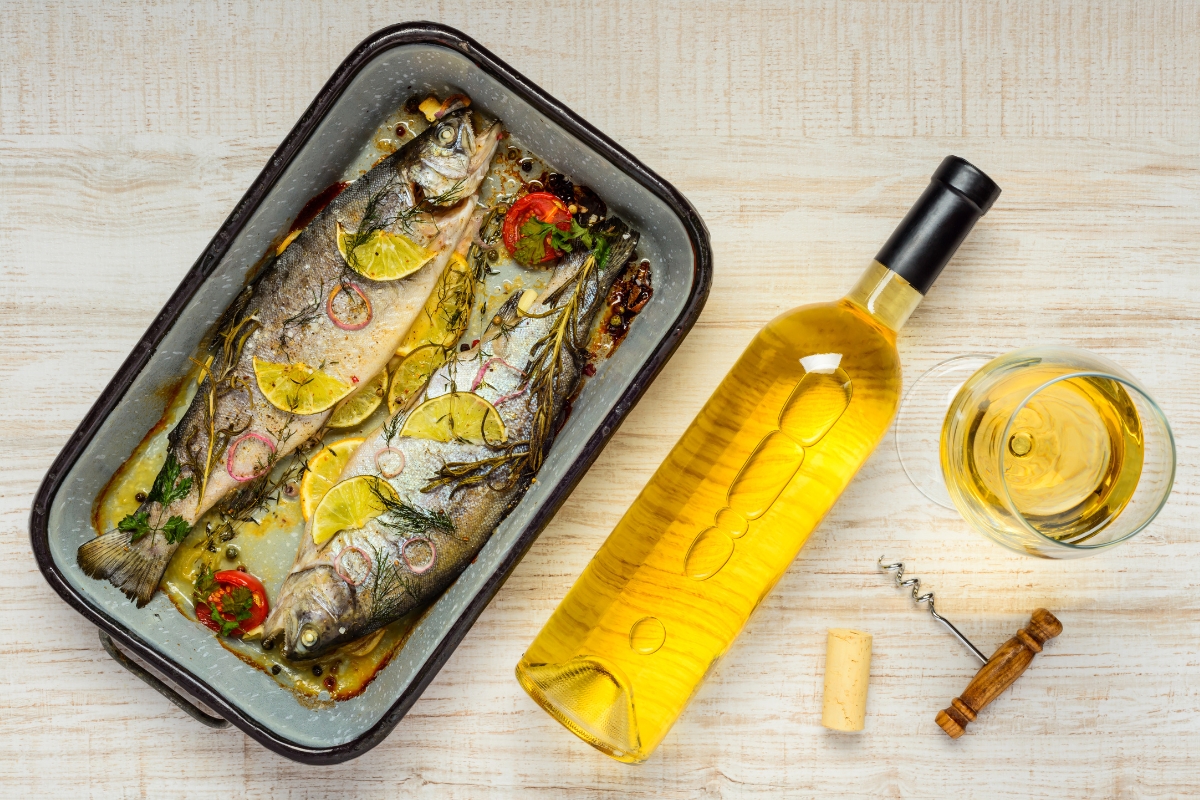
For fish prepared with various herbs and spices, opt for an Assyrtiko; its high acidity and mineral-like aromas bring out the flavors of grilled fish and fresh herbs.
Contrast Makes All the Difference
Sometimes, the secret lies in contrast. A flavorful dish, such as seafood, can be enhanced when paired with a crisp Sauvignon Blanc. The wine’s acidity balances the richness and salty elements of the food, making the flavors dance on your palate!
While harmony in flavors is based on affinity and similarity, contrast is based on the idea that food and wine with different flavor profiles can complement each other in a unique way, creating both tension and balance.
Feel free to pair spicy dishes with sweet wines, fatty dishes with high-acidity wines, salty dishes with sweet wines, acidic dishes with off-dry wines, and bitter flavors with fruity wines!
Experiment with red wine and meat
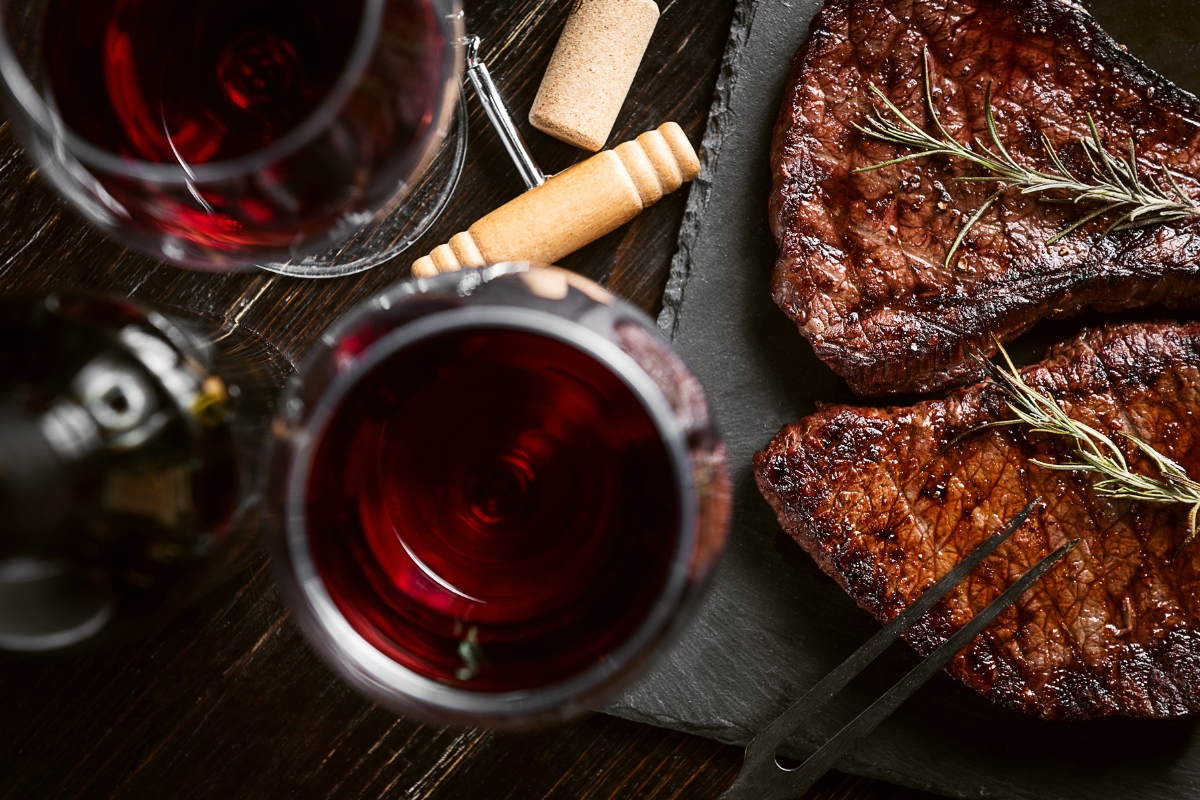
When you have a juicy piece of meat in front of you, a full-bodied red wine is your best ally. A classic pairing is beef tenderloin with a red wine, such as a Cabernet Sauvignon or Merlot. The tannins in the wine interact with the proteins in the meat, creating a pleasant balance. We mention this separately because red meat and wine form a foundation upon which you can experiment and conduct your own trials.
If you are cooking pork—a sweeter meat—try pairing it with a Merlot, which features wonderful fruity notes and will pair perfectly, creating a delightful and harmonious experience.
Game meat, such as wild boar, has an intense, rich flavor and is often prepared with robust sauces. Malbec, with its deep, dark fruit flavors and rich tannins, makes for a perfect pairing.
Don’t forget about dessert!
Desserts can pair wonderfully with wine! For instance, a creamy tiramisu goes perfectly with a Vinsanto or a rich, sweet Port. Pairing sweet with sweet is a combination that will always surprise you with its unique flavor profile.
When pairing desserts with wine, the golden rule is to choose a wine that is at least as sweet as the dessert itself, ensuring the wine doesn’t end up tasting bland.
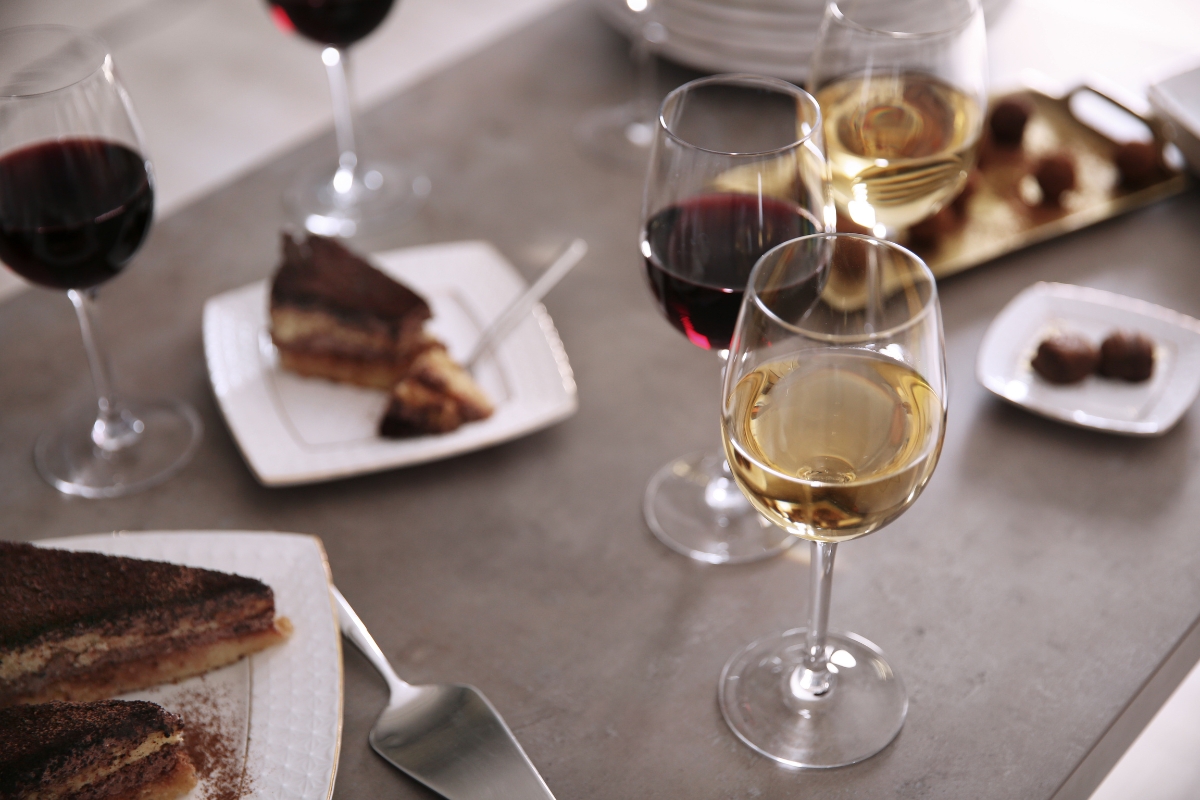
Chocolate cake or chocolate mousse pairs beautifully with a sweet Port, which offers rich notes of plum, cherry, and dark chocolate, creating a harmonious and complex combination. Tiramisu, on the other hand, pairs uniquely well with an Italian Vin Santo, featuring notes of caramel, nuts, and dried fruits. If you’re serving cheesecake, an excellent wine choice is Moscato d’Asti; its natural sweetness, balanced against the acidity of the cheesecake, creates an explosion of flavor on the palate!
Personal taste
The most important thing? Rules are just a guide. If you like something, that’s the best combination for you! If you love a particular wine with a certain food, keep enjoying it—regardless of what the rules say.
The art of food and wine pairing is more than just a technique. It is a way to enjoy food and wine in a new and exciting manner. Don’t be afraid to try things out, experiment, and create your own combinations. So, put on your apron, open a good bottle of wine, and let your palate lead you on new gastronomic adventures! Cheers!
Your first step in Spain
Choose a recipe or an experience that you can prepare using products available near your home. Check the ingredients and allergens, and confirm the details of any workshop or visit directly before booking. If you are organizing an activity with friends, agree on a budget and any dietary requirements. Experiences involving alcoholic beverages are for adults; however, you can also explore flavors and aromas through non-alcoholic options.
Original article: 2024-08-23. Edition adapted for Spain: 27 October 2026. Read the Greek original. Original author: Eleni Agiou.