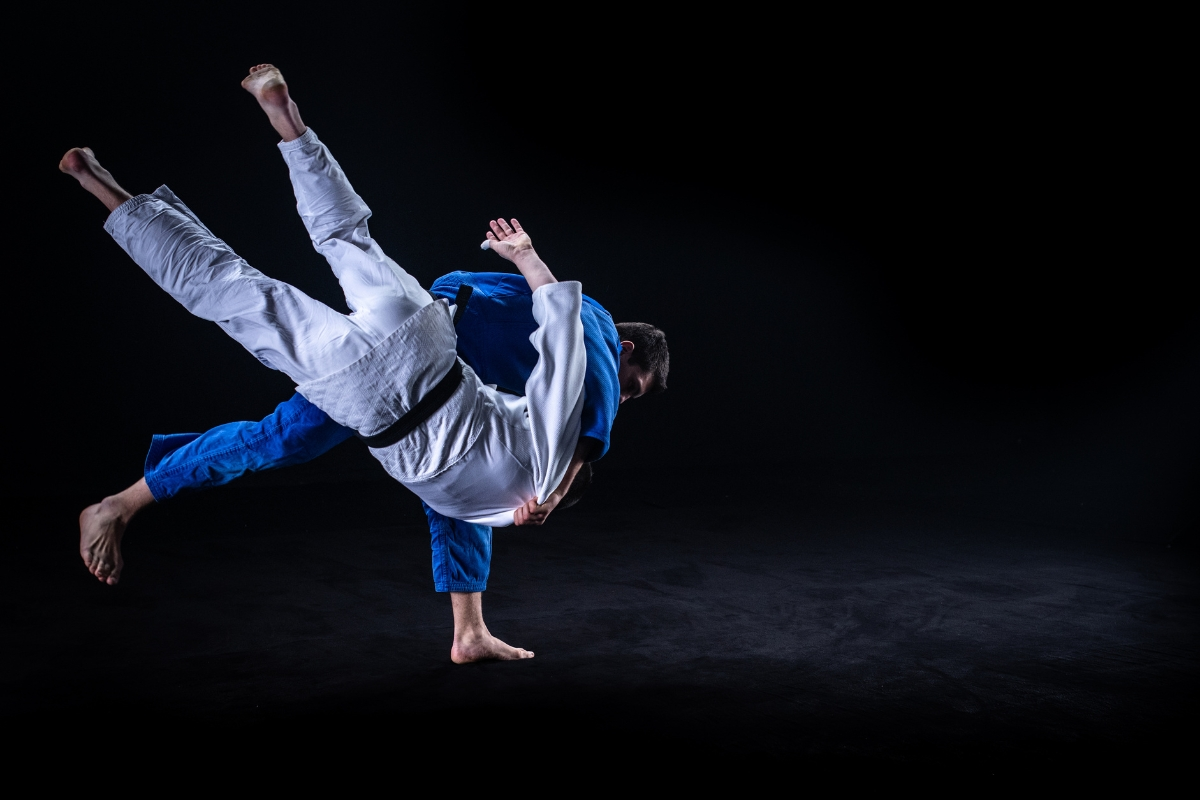
Judo, which means “the gentle way” in Japanese, is a modern martial art and Olympic sport rooted in traditional Japanese culture. From its humble beginnings as a method of self-defense, judo has grown into a global phenomenon that influences millions of people around the world. In this article, we will explore the rich history of judo, its evolution, and its journey toward Olympic recognition.
The Origins of Judo
Judo was created by Jigoro Kano in 1882. Born in 1860, Kano was a small, frail young man who initially took up jujutsu to improve his physical fitness and learn self-defense. He studied various schools of jujutsu and eventually combined the best techniques from them with his own philosophical ideas to create judo.
Kano founded the Kodokan, the first judo school, in Tokyo. Initially, the Kodokan consisted of just nine square meters of tatami (traditional Japanese mats) and nine students. However, the reputation of judo spread rapidly as Kano’s students won matches against practitioners from other martial arts schools.
The Philosophy of Judo
Kano believed that judo was more than just a martial art. He conceived it as a system of physical, mental, and moral training. The two basic principles of judo are:
- Seiryoku-zenyo (maximum efficient use of energy)
- Jita-kyoei (mutual welfare and benefit)
These principles apply not only on the tatami but also in daily life, promoting the idea of continuous personal improvement and contribution to society.
The spread of judo
Judo began to spread internationally in the early 20th century. Kano traveled extensively, promoting judo in countries across the United States, Europe, and South America. In 1909, judo became the first Japanese martial art to be officially recognized by the International Olympic Committee (IOC).
Following World War II, the popularity of judo grew rapidly worldwide. In 1951, the International Judo Federation (IJF) was founded, playing a key role in standardizing the rules and promoting the sport internationally.
Judo in the Olympic Games
The path of judo toward the Olympic Games was gradual:
- 1964 – Tokyo: Judo makes its debut as a men’s demonstration sport at the Tokyo Olympic Games.
- 1972 – Munich: Judo becomes an official men’s Olympic sport.
- 1988 – Seoul: Women’s judo is introduced as a demonstration sport.
- 1992 – Barcelona: Women’s judo becomes a full-fledged Olympic sport.
Today, judo is one of the most popular Olympic sports, featuring seven weight categories for both men and women.
The Evolution of Judo
Over the years, judo has evolved significantly:
- Rules: The rules have changed many times to make the sport more dynamic and easier for spectators to understand.
- Techniques: While the core principles remain, new techniques and strategies have been developed.
- Equipment: The *judogi* (judo uniform) and the *tatami* (mat) have evolved to improve safety and performance.
- Training: Modern training methods and scientific approaches have enhanced athletes’ performance.
Types of Judo
Although judo is primarily known as a competitive sport, there are various aspects and approaches to its practice:
- Competitive Judo: Focuses on preparation for competitions.
- Traditional Judo: Emphasizes the original techniques and philosophies of Kano.
- Kodokan Judo: The “official” judo, as taught at Kano’s original institute.
- Judo for Self-Defense: Focuses on the practical applications of judo in self-defense situations.
- Kata: Predetermined forms that demonstrate ideal judo techniques.
Judo has come a long way since its founding by Jigoro Kano in 1882. From a small school in Tokyo, it has grown into a global Olympic sport practiced by millions of people around the world. Its inclusion in the Olympic Games not only boosted its popularity but also contributed to its evolution and modernization.
Despite its changes and evolution, judo remains true to Kano’s core principles: mutual benefit and maximum efficiency. It continues to be not only an effective system of self-defense and an exciting sport, but also a way of life that promotes continuous personal improvement and social harmony.
As judo moves toward the future, it faces new challenges and opportunities. Maintaining a balance between tradition and modernization, attracting new generations of practitioners, and preserving the spirit of “gentleness” in an increasingly competitive world are among the challenges it encounters. Nevertheless, with its rich history and solid philosophy, judo is well-positioned to continue having a positive influence on the lives of people across the globe.
Your first step in Spain
Look for an introductory session at workshops or cultural centers in your municipality. Compare the techniques being taught, the materials provided, the size of the group, and whether you will be able to complete your project during the class. If you plan to practice at home, start with a small project and purchase only the necessary materials; be sure to review the manufacturer’s instructions, as well as the proper ventilation and safety equipment required for each product.
Original article: 2024-10-24. Edition adapted for Spain: 27 October 2026. Read the Greek original. Original author: Eleni Agiou.