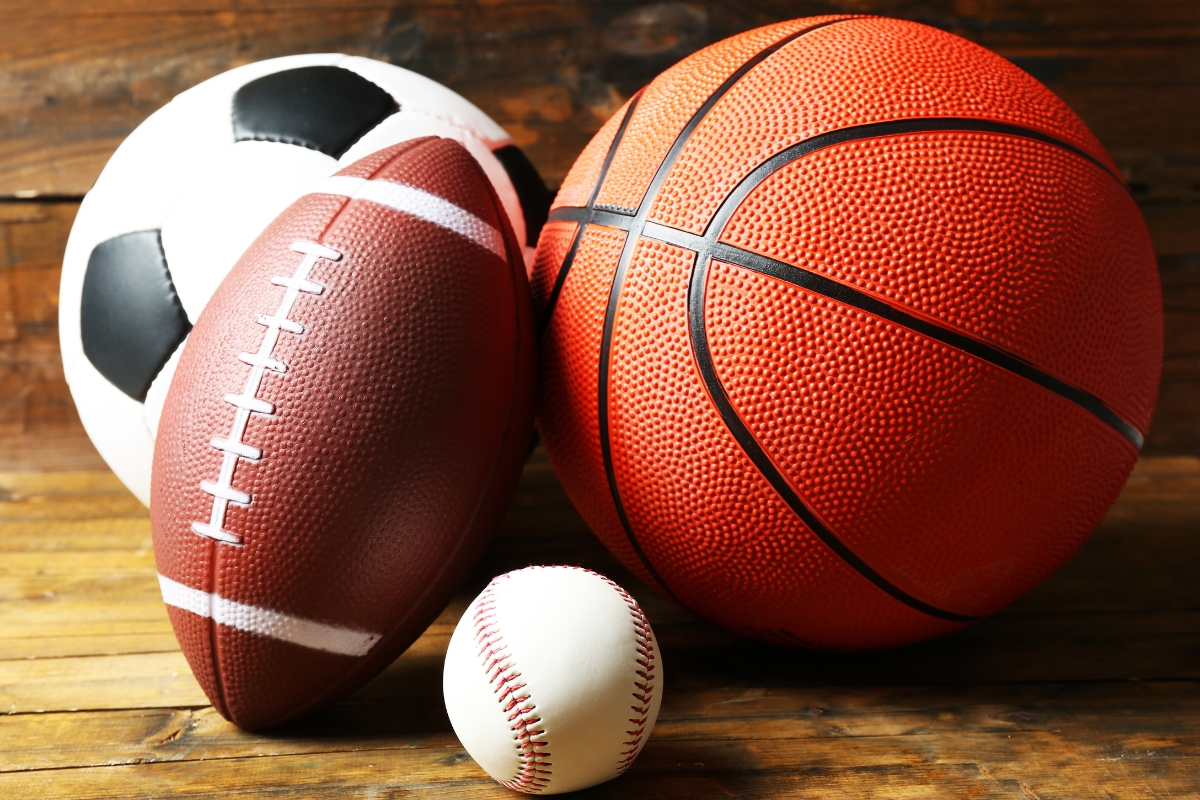
Though it may seem simple, the ball is of great importance to most of the sports we know and love. From soccer and basketball to tennis and volleyball, the ball is the central element that brings life and energy to the game. Let’s take a look at how the design and use of the ball contribute to the success and enjoyment of sports.
Ball Design
First, let’s talk about ball design. Depending on the sport, a ball will have different dimensions, weight, materials, and surface characteristics. All these elements play an important role in how the ball reacts during play.
For example, a soccer ball is designed to roll easily across the grass and be kicked with precision. Its lightweight material allows for the speed and control needed during a match. In contrast, a basketball is slightly larger, with a surface that provides better grip for dribbling and accurate shooting. Consider volleyball for a moment: the ball must have the right weight and size to be easily sent over the net, while also allowing for control when handling it. Even the slightest change in its design can drastically affect the game, making it more difficult or easier to play.
As you know, every sport uses different balls, designed with specific features that meet the requirements of the game. Let’s take a closer look at the balls used in various popular sports and how their design influences the game.
Soccer
The soccer ball is one of the most recognizable, used in one of the world’s most popular sports. Its basic specifications are:
- Size: It typically has a diameter of approximately 22 cm and comes in sizes 3 through 5, with size 5 being the standard for adults.
- Material: The outer surface is usually made of synthetic leather or polyurethane, with layers of nylon or polyester.
- Weight: The ball weighs between 410 and 450 grams.
- Design: It is round and typically consists of many panels (usually 32), which contribute to the stability of its movement through the air.
These characteristics allow for precise ball movement, durability, and ease of control—all essential for elaborate dribbling and powerful shots.

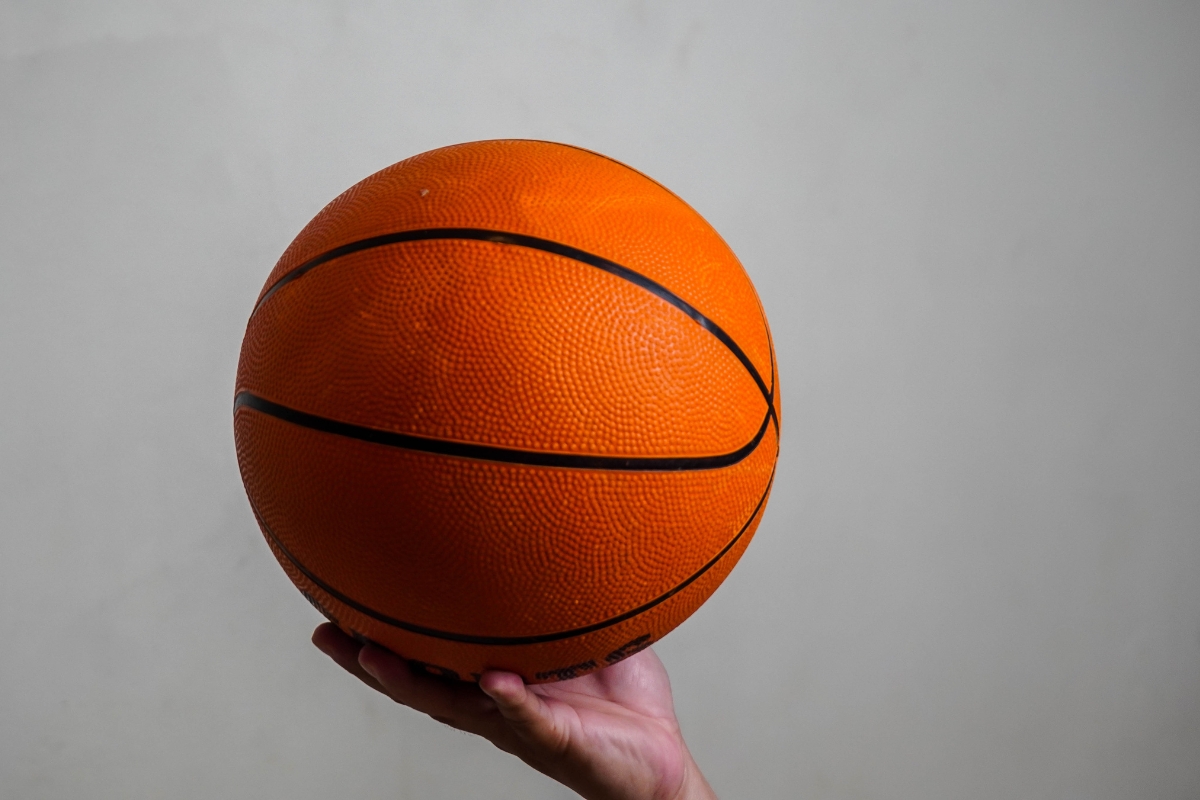
Basketball
A basketball differs significantly from a soccer ball, as this sport requires different skills:
- Size: The diameter is approximately 24 cm for men (size 7) and slightly smaller for women (size 6).
- Material: The outer surface is typically made of rubber or leather for better grip and durability.
- Weight: The ball weighs approximately 600 to 650 grams.
- Design: The ball is usually orange with black lines that facilitate control and aiming.
The size and weight of the ball are ideal for dribbling, passing, and shooting, while the surface design provides the necessary grip for stable control.
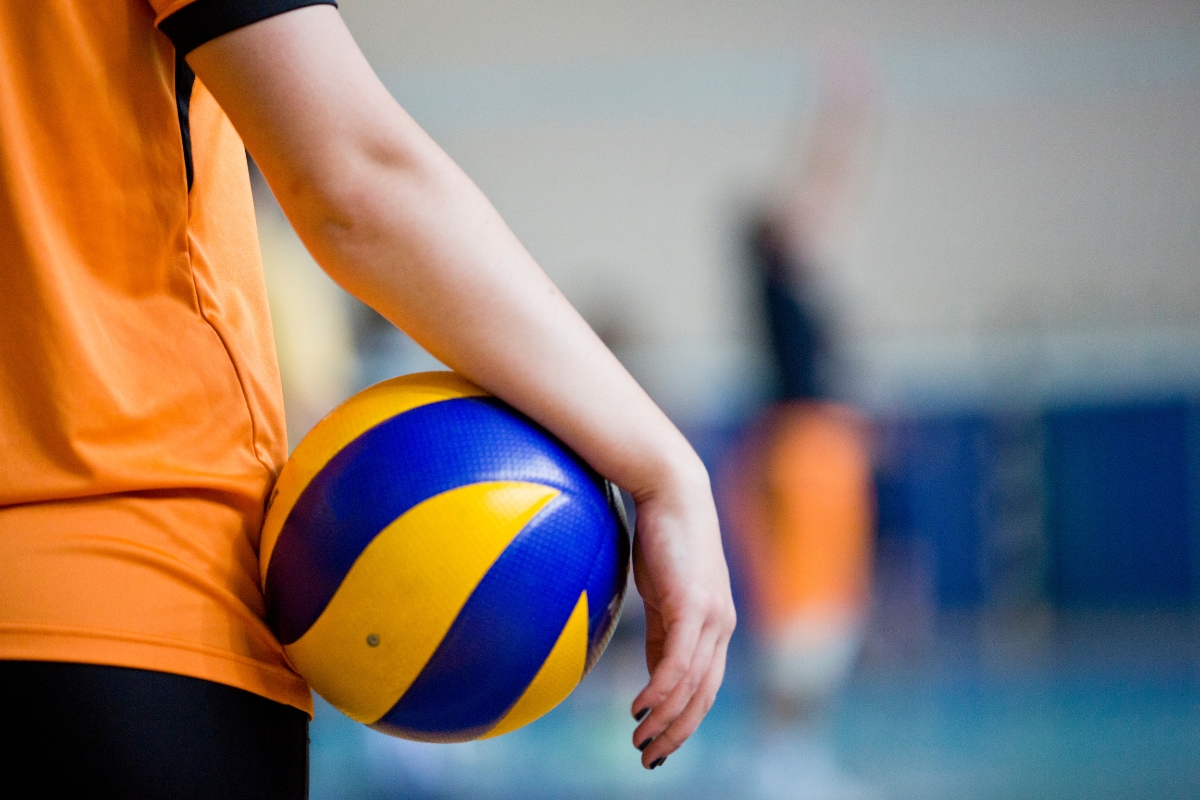
Volleyball
In volleyball, the ball is designed to be lightweight and easy to handle, as the game requires quick and precise movements:
- Size: The diameter of the ball is approximately 21 cm.
- Material: The ball is made of synthetic or natural leather, with a smooth or slightly textured surface.
- Weight: It weighs between 260 and 280 grams, making it light enough for quick serves and spikes.
- Design: It often features colorful designs that make it easier to see while in flight.
The ball’s lightness allows for rapid, precise movement through the air, while its appropriate size facilitates receiving and dynamic attacking.
Tennis
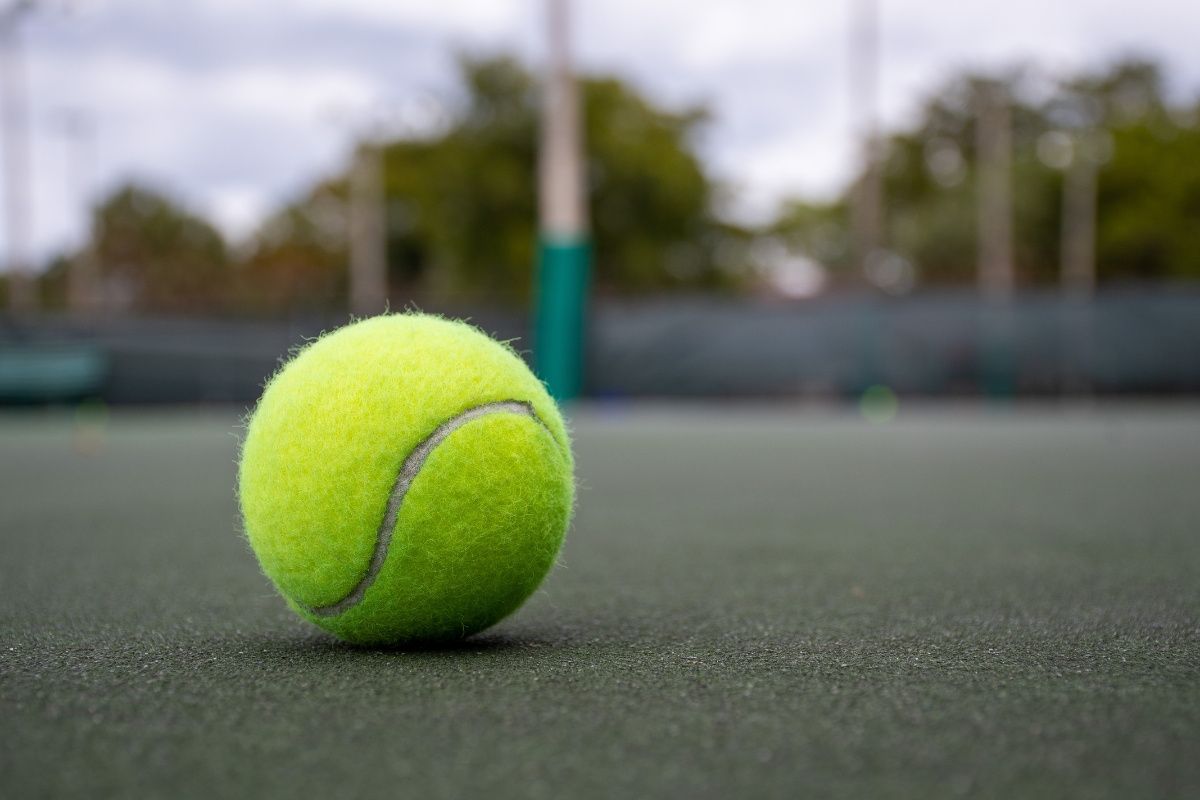
The tennis ball is small and lightweight, precision-engineered to deliver optimal performance during play, ensuring that every shot and serve is as predictable and fair as possible.
- Size: The ball’s diameter ranges from 6.54 to 6.86 centimeters.
- Material: It is made of rubber and covered with a layer of felt, which plays a significant role in its aerodynamic performance.
- Weight: It weighs between 56.0 and 59.4 grams.
- Design: It is bright yellow—a shade known as “optic yellow”—and features seams that form a characteristic “figure-8” pattern, which enhances its aerodynamics.
The ball’s elasticity is also crucial to the game, as it determines how high the ball will bounce after being struck. Tennis balls must have a certain internal air pressure to ensure an appropriate bounce.
Rugby
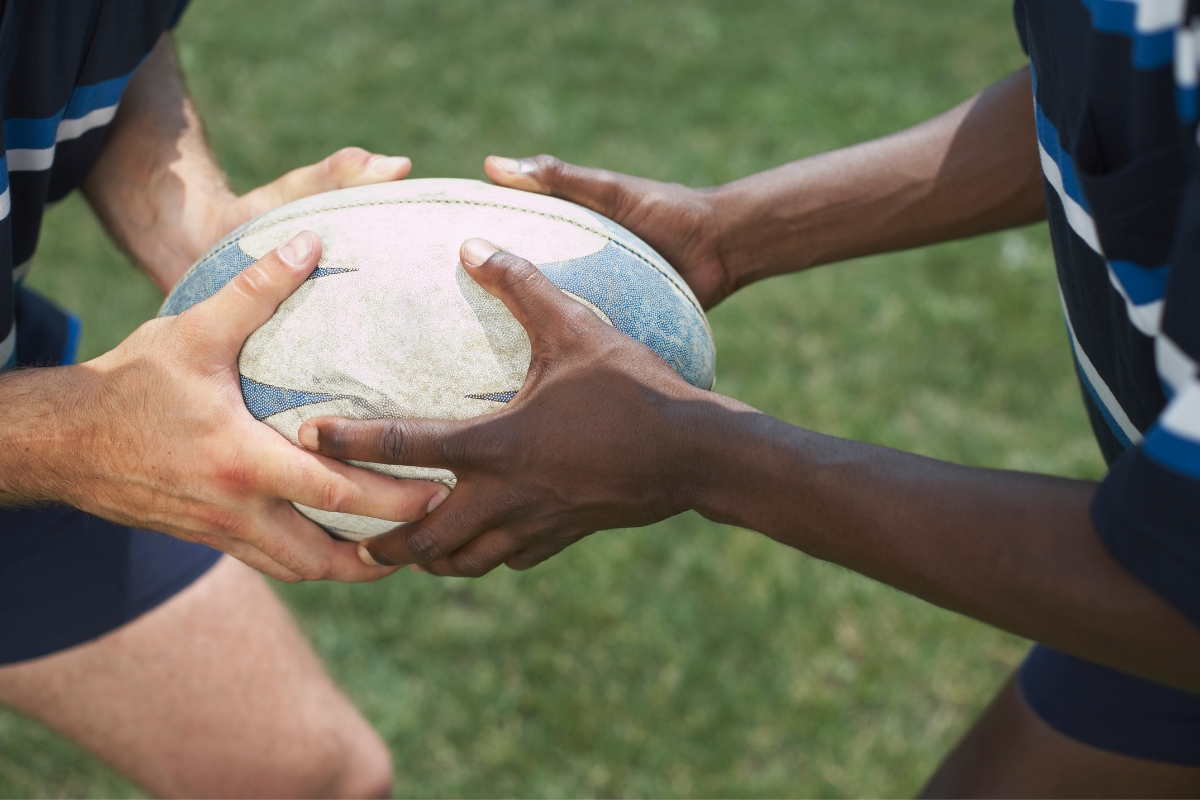
In rugby, the ball has a unique design that distinguishes it from balls used in other sports; it must be easy to control and throw, while also being able to withstand strong impacts:
- Size: The length of the ball ranges from 28 to 30 centimeters, while its circumference is approximately 58–62 centimeters at its widest point.
- Material: The ball is made of leather or a synthetic material with a textured surface, which improves grip—even in wet or muddy conditions.
- Weight: It weighs between 410 and 460 grams, providing the right weight for powerful passes and kicks.
- Design: The ball has an oval shape, which makes it unique and well-suited for the game. This shape helps maintain its trajectory during flight and when subjected to powerful kicks.
The oval shape and textured surface of the rugby ball allow players to control and throw it with precision, while also enabling it to withstand the demanding conditions of the game.
Golf
In golf, the ball is small and features a special design that influences its performance and aerodynamics, allowing for precise shots and control over its flight path:
- Size: The diameter of the ball is 4.27 centimeters.
- Material: The ball is made of hard rubber or synthetic materials with a plastic coating. This coating features small indentations (known as dimples) that improve the ball’s aerodynamics.
- Weight: It weighs up to 45.93 grams, making it light enough to be struck with great speed and precision.
- Design: The golf ball has numerous small indentations that help reduce aerodynamic drag and improve its stability in flight. This indented design creates a smoother and more predictable trajectory through the air.
The small diameter and the indentations on the golf ball contribute to high precision and control during flight, allowing players to aim accurately and achieve the desired distances and directions.
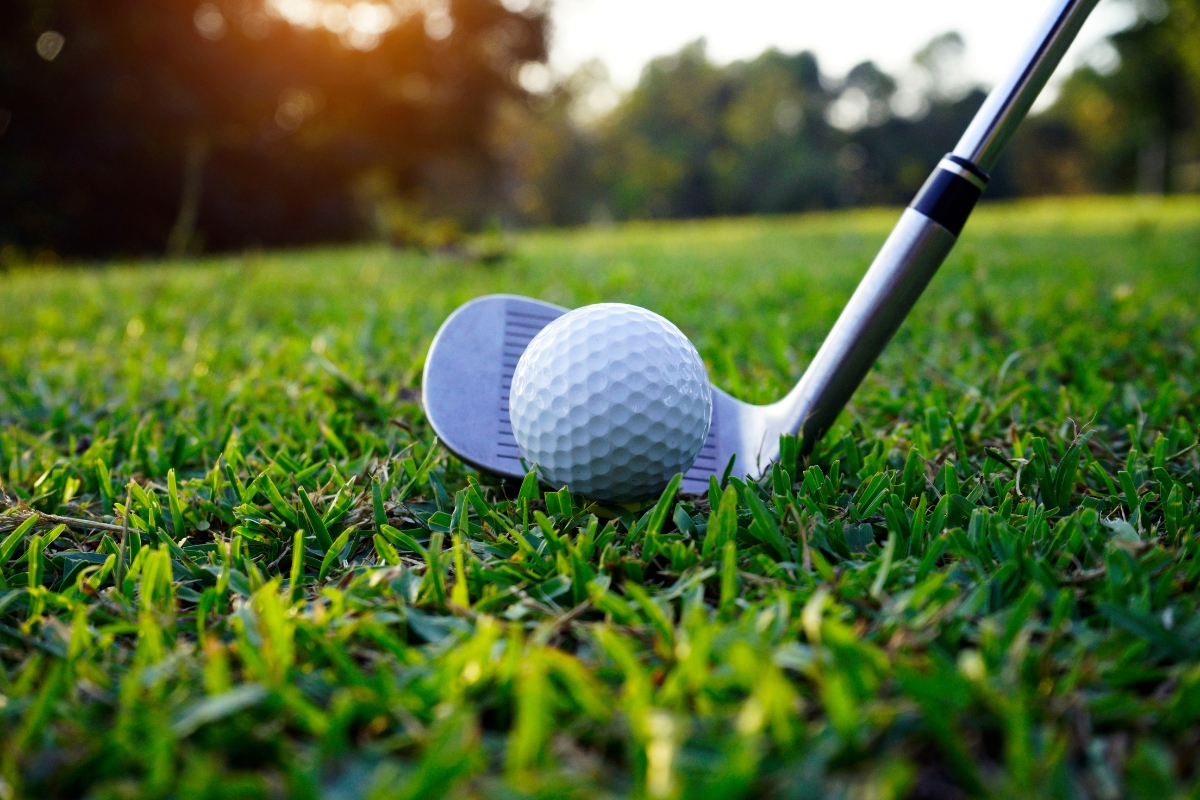
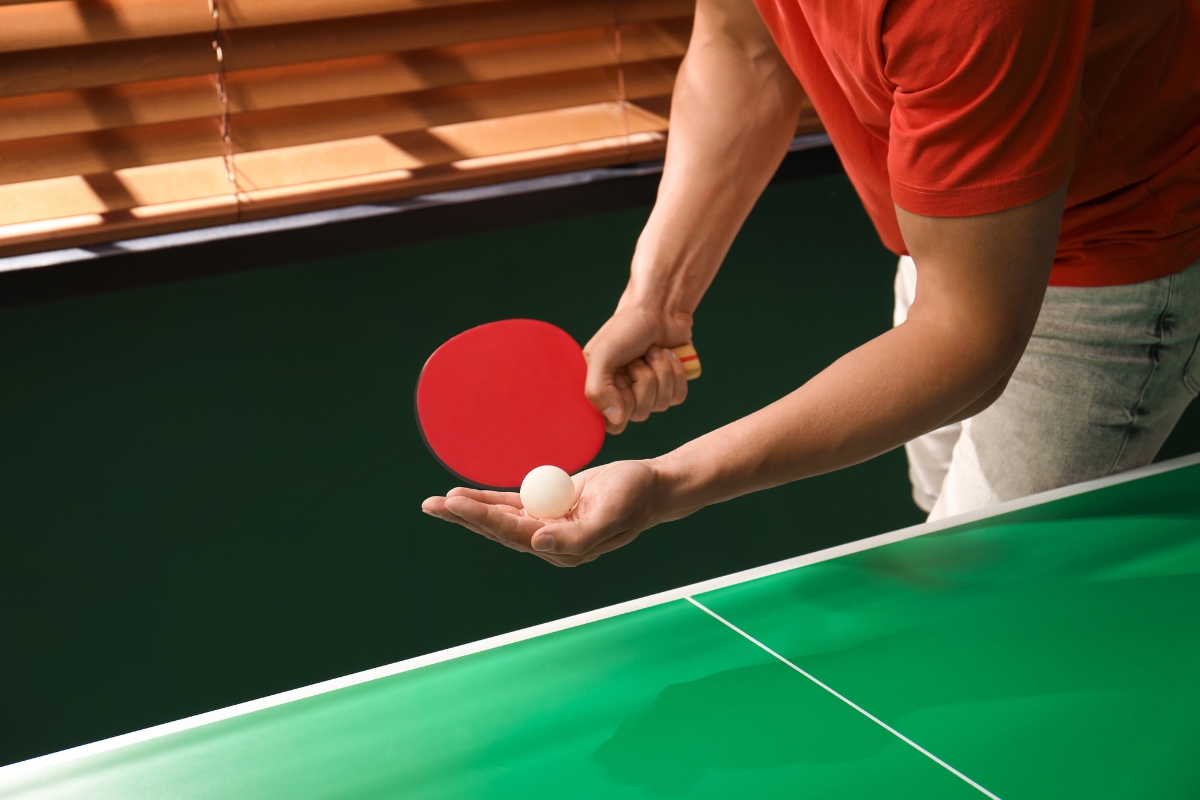
Table Tennis
In table tennis, the ball is designed to provide high speed and control—essential for a fast-paced, technical game:
- Size: The ball has a diameter of 4 centimeters.
- Material: The ball is made of lightweight plastic—typically polystyrene or polycarbonate—that is durable enough for daily use and repeated impacts.
- Weight: It weighs 2.7 grams, making it very light and ideal for rapid-fire exchanges.
- Design: The ball is smooth and uniform, with no indentations or rough patches. Its shape and lightweight material allow it to bounce with precision and change direction rapidly in the air.
The lightweight construction and smooth finish of the table tennis ball ensure fast, precise rallies, making it ideal for the technical and dynamic style of play that this sport demands.
Every ball—from the spherical soccer ball to the oval-shaped rugby ball—is designed with detail and precision to meet the specific requirements of its sport. Its specifications, such as material, size, weight, and design, contribute to a unique playing experience that combines technique with entertainment. By recognizing the importance of each ball, we can better appreciate the technology and science behind every strike and every movement in sports.
Your first step in Spain
Look for an introductory activity near your home and ask about what to expect before booking. Confirm details regarding equipment, requirements, insurance, and the policy for bad weather. For outdoor activities, check the specific advisories and restrictions for that location—conditions vary between coastal areas, inland regions, and the islands. Choose an activity based on your own preparation level and the guidance of professionals, rather than relying solely on a photograph or a difficulty label.
Original article: 2024-08-28. Edition adapted for Spain: 27 October 2026. Read the Greek original. Original author: Eleni Agiou.