We all know how excited children get when they explore the world around them, especially when they do so through play and fun. These three fantastic experiments are just what you need to offer your children a unique opportunity to discover the magic of science in a fun and educational way!
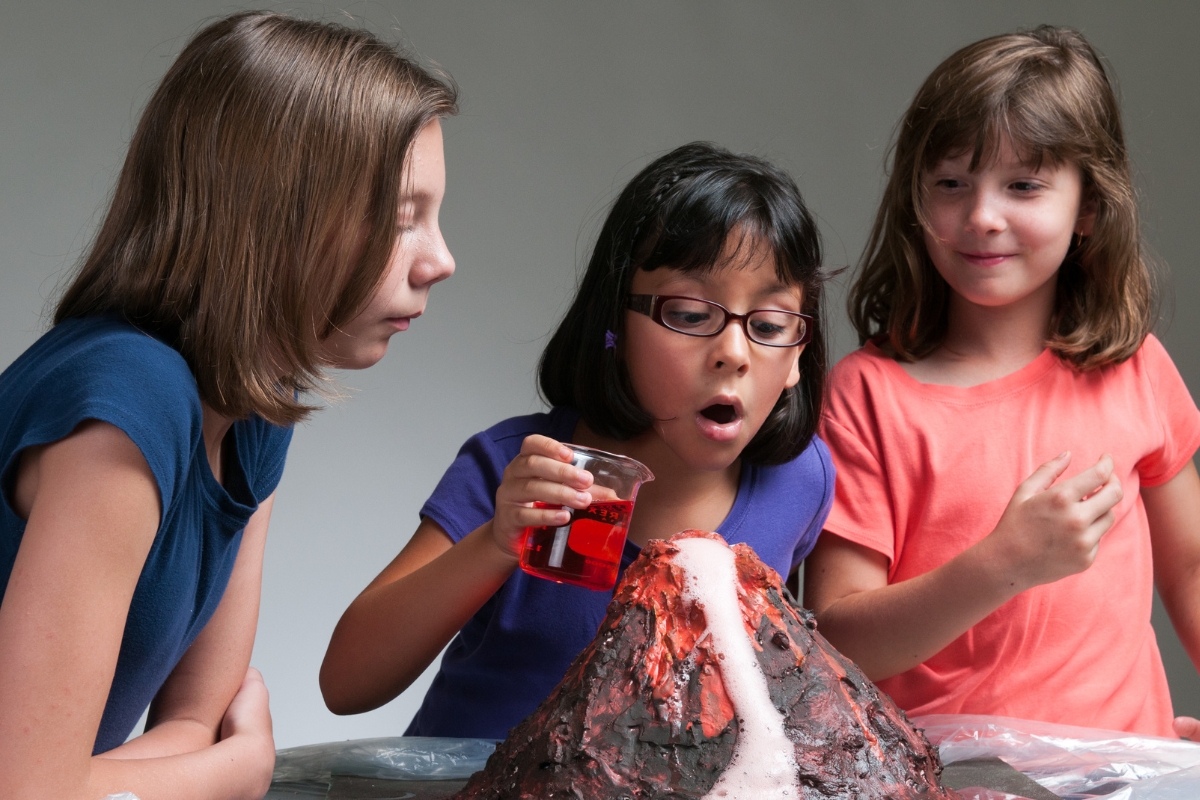
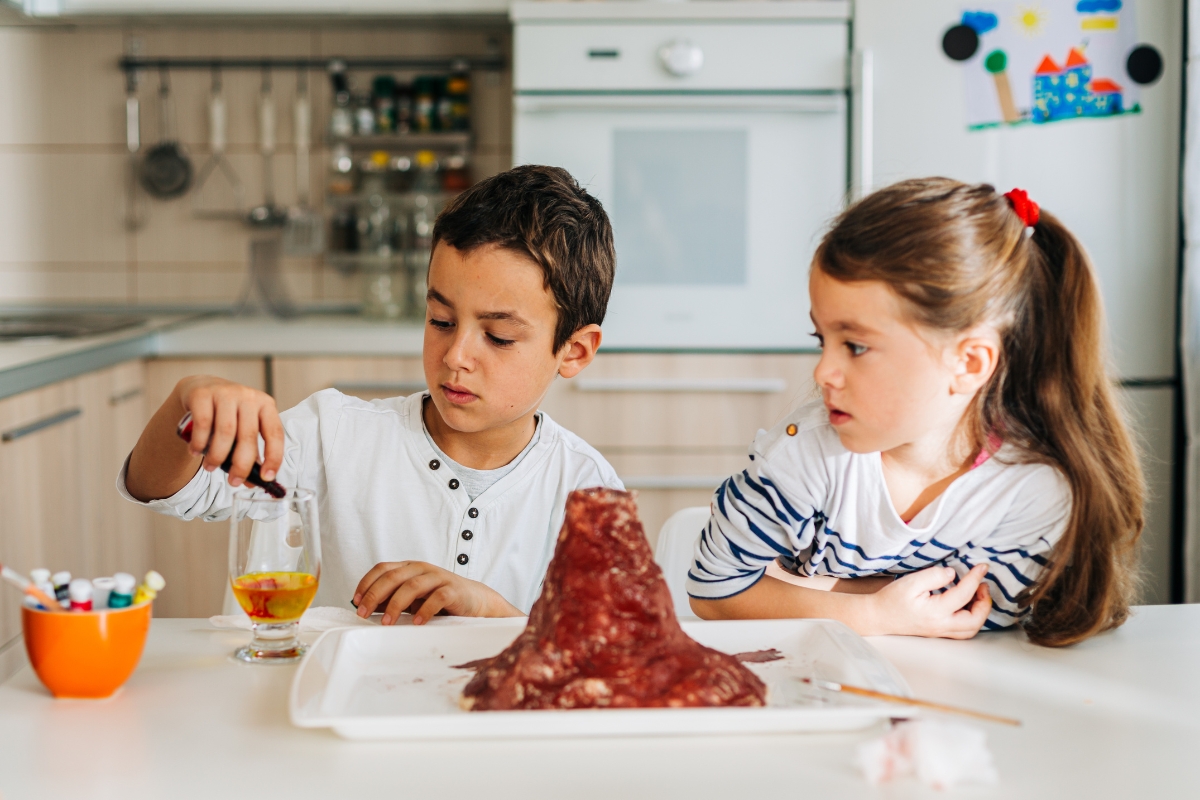
The Kitchen Volcano
Who isn’t impressed by a small erupting volcano? Create your own in the kitchen using ingredients you already have at home.
What you’ll need:
- Baking soda
- Vinegar
- Red food coloring
- Modeling clay or aluminum foil
Instructions: Form a small mountain using modeling clay or aluminum foil, leaving a hole at the top to serve as a crater. Add a few spoonfuls of baking soda into the crater, along with a few drops of red food coloring. When you’re ready, pour in some vinegar and watch the “explosion”!
This experiment is an excellent opportunity to explain to children the reaction that occurs when a base (baking soda) is mixed with an acid (vinegar).
The Floating Egg
Here, we will show children how salt in water can affect buoyancy.
What you will need:
- 2 glasses of water
- 2 eggs
- Salt
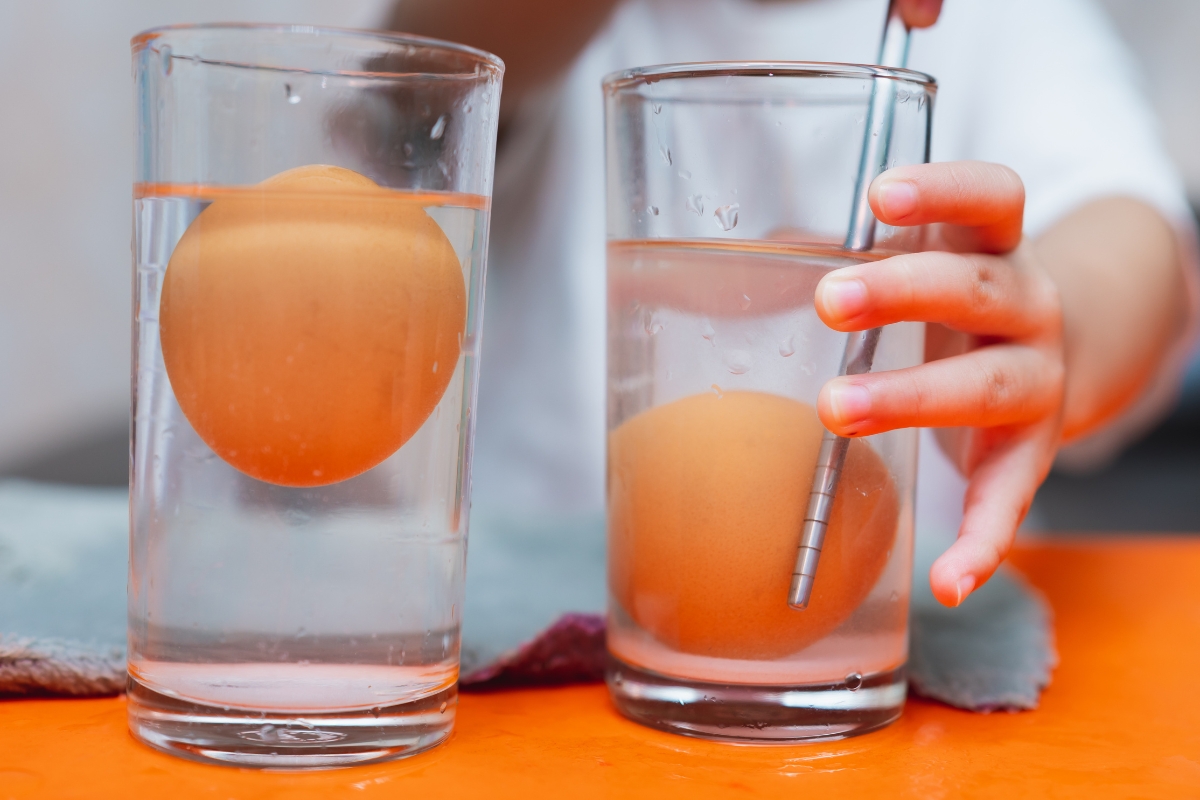
Instructions: Fill both glasses with water. Place an egg in the first glass and watch it sink. In the second glass, add 4–5 tablespoons of salt and stir until it dissolves. Place an egg in the second glass—and watch it float!
Through this experiment, you can introduce children to the concept of density and show how salt increases the density of water, allowing the egg to float.
The Liquid Tower
In this experiment, children will learn about the varying densities of different liquids.
What you will need:
- Water
- Honey
- Glucose syrup
- Oil
- Alcohol
- Food coloring
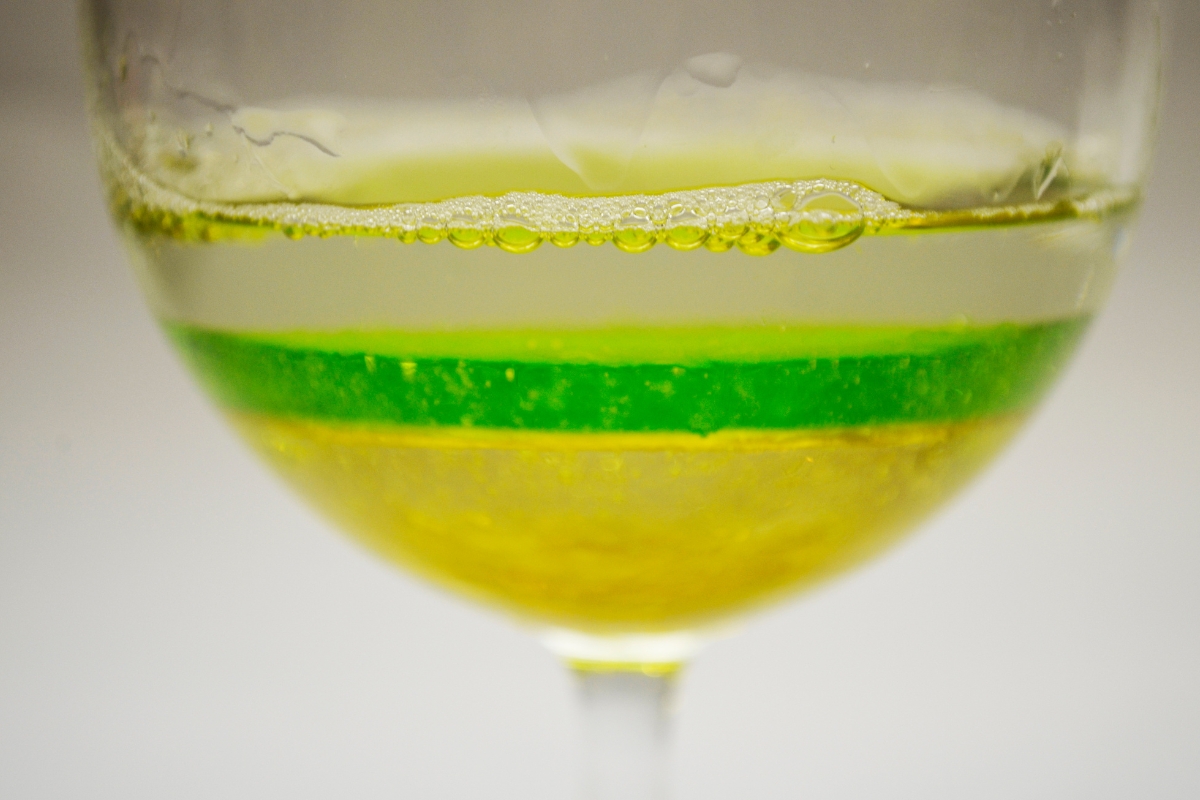
Instructions: Carefully pour the liquids into a clear glass, starting with the densest (honey) and ending with the lightest (alcohol). You can add food coloring to each liquid to make the effect more striking. The liquids will form distinct layers, creating a colorful tower!
This experiment is an excellent opportunity to discuss the concepts of density and gravity.
With these experiments, your children will have the opportunity to observe impressive scientific reactions, learn new concepts, and develop their curiosity and creativity.
Get ready to be amazed and have a great time as you and your children discover science in the most fun way possible!
Your first step in Spain
Compare the options available at centers in your municipality—such as Official Language Schools (Escuelas Oficiales de Idiomas), where applicable—as well as online courses. Ask about the entry level, the language used for instruction, the schedule, and the amount of practice required outside of class. Language exchanges can complement your studies, but they are not a substitute for formal training that you may need to provide official certification for.
Original article: 2024-09-02. Edition adapted for Spain: 27 October 2026. Read the Greek original. Original author: Eleni Agiou.