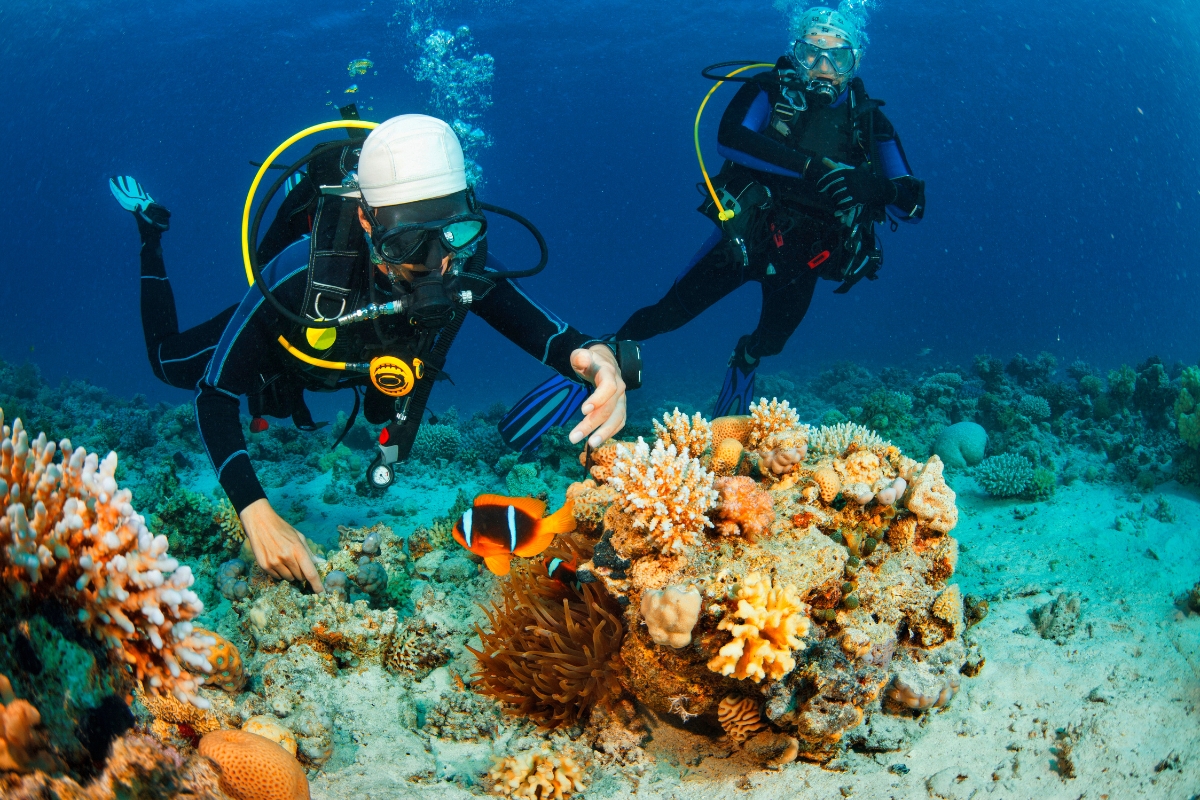
Scuba diving is a unique and exciting activity that allows you to explore a world beyond the confines of your daily life. Imagine swimming alongside colorful coral reefs, observing exotic fish in their natural habitat, or uncovering the secrets of a shipwreck that has rested on the seabed for centuries. Scuba diving offers all these experiences and much more.
However, venturing into the underwater world requires careful preparation and training. While scuba diving is incredibly enjoyable, it carries certain risks that you must understand and learn to manage. For this reason, it is essential to receive proper training before you begin exploring the depths of the sea.
If you are considering taking scuba diving lessons, you have come to the right place. This guide is designed to provide you with a comprehensive overview of what you need to know and expect before your first class. We will cover all the essential aspects, from physical requirements and necessary equipment to the course structure and costs.
Whether you are an adventure enthusiast looking for a new challenge, or simply wish to broaden your horizons, scuba diving has something to offer you. With this guide, our goal is to help you decide if scuba diving is right for you and to prepare you for your first steps into this exciting sport.
Remember: knowledge is power, especially in activities like scuba diving. The more you know before you begin, the more comfortable and confident you will feel during your training.
Let’s take a detailed look at what you need to know before starting scuba diving lessons:
Basic requirements
- Age: Typically, the minimum age is 10, but you must be 15 to obtain full certification.
- Swimming ability: You must be able to swim at least 200 meters and float for 10 minutes.
- Health: Good general health is required. You will need to complete a medical questionnaire.
Physical fitness
Scuba diving does not require exceptional physical fitness, but:
- Good cardiovascular health is important.
- Flexibility and muscular endurance make it easier to handle the equipment.
- Good lung function is essential.
Psychological preparation
- Feeling comfortable in the water and in confined spaces.
- Maintaining calm and self-control in stressful situations.
- Being willing to follow instructions and safety rules.
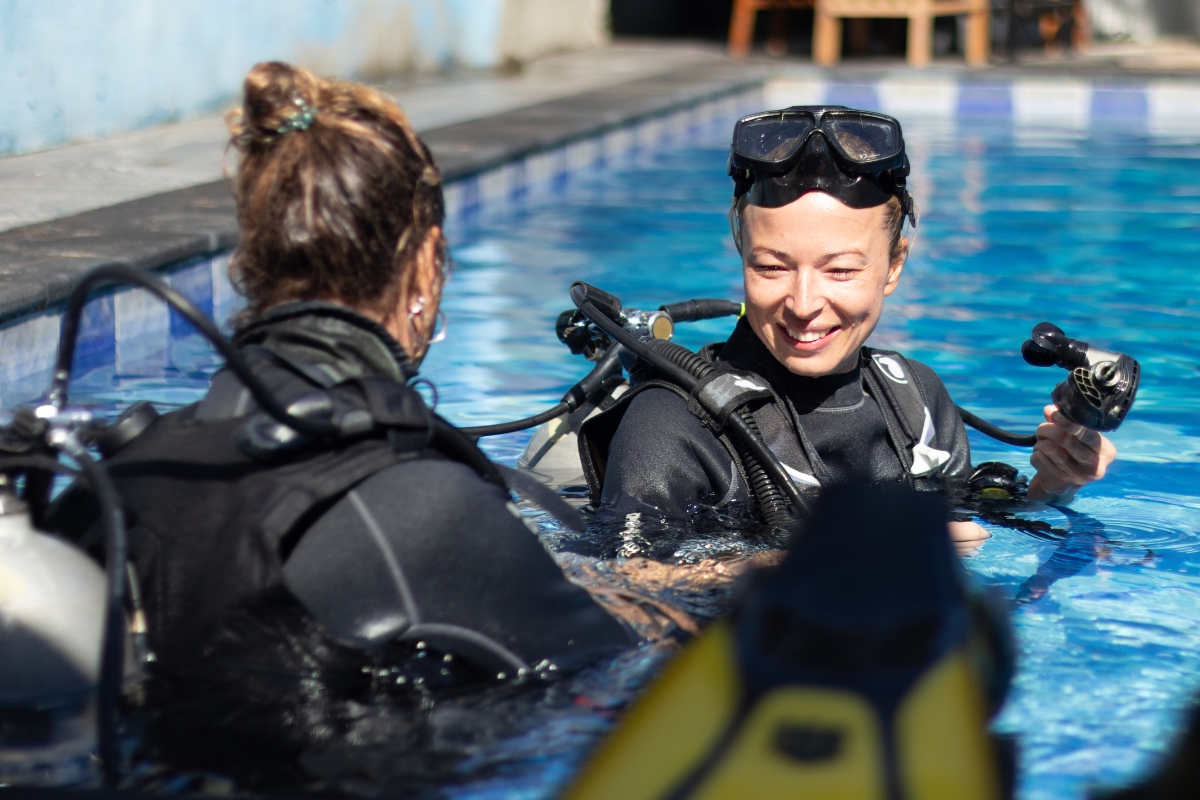
Choosing a school and instructor
- Choose a recognized school (e.g., PADI, SSI, NAUI).
- Verify the instructor’s qualifications and experience.
- Ask about class size and the instructor-to-student ratio.
Course structure
Typical courses include:
- Theoretical training (in the classroom or online)
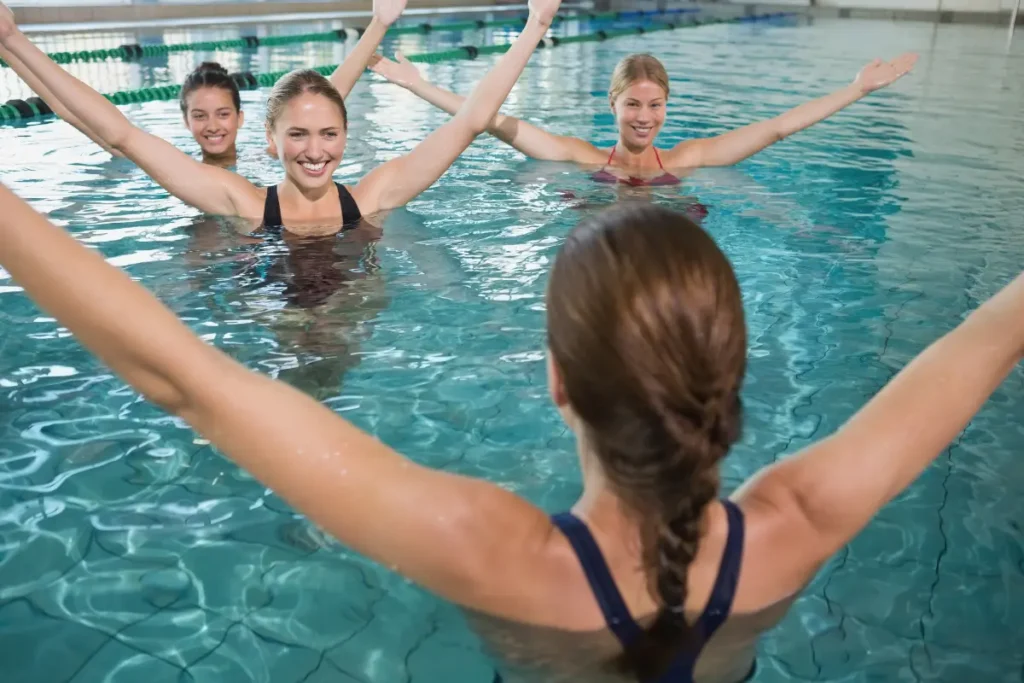
- Practice in a pool or shallow water
- Open-water diving
Necessary equipment
Basic equipment you will need:
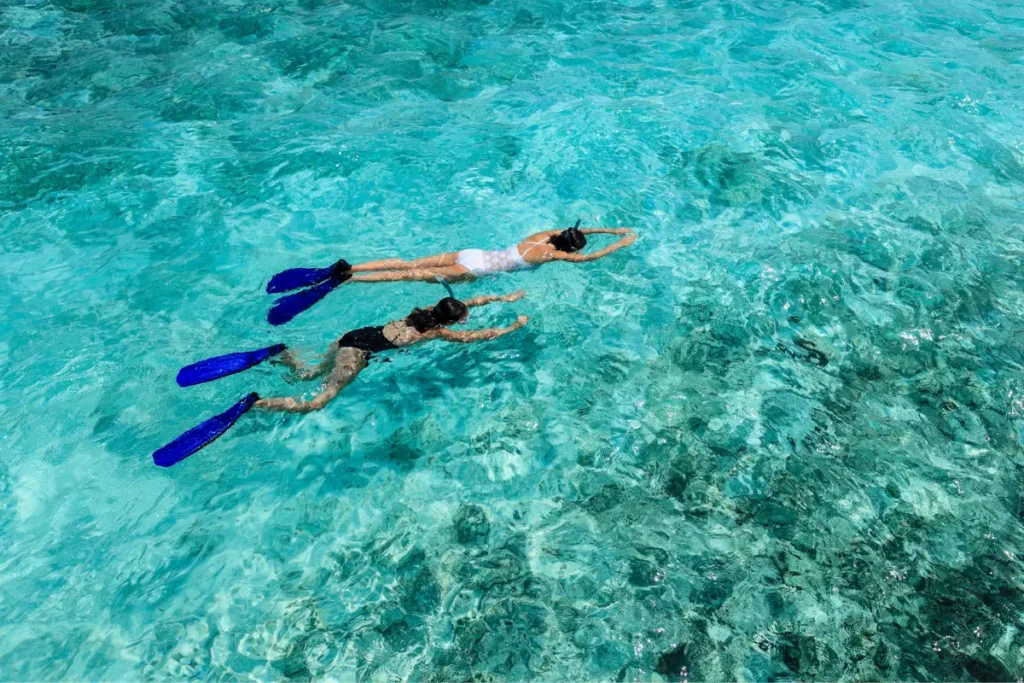
- Mask, snorkel, and fins
- Wetsuit or drysuit
- Regulator
- Buoyancy Control Device (BCD)
- Scuba tank
- Weight belt. Note: Many schools provide the equipment for introductory classes.
Cost
Costs vary, but generally include:
- Course fees
- Certification cost
- Equipment rental or purchase
- Open-water diving expenses
Time commitment
- Basic training typically lasts 3 to 5 days.
- Intensive programs or more relaxed courses may be available.
Safety
- Learn about the dangers of diving and how to avoid them.
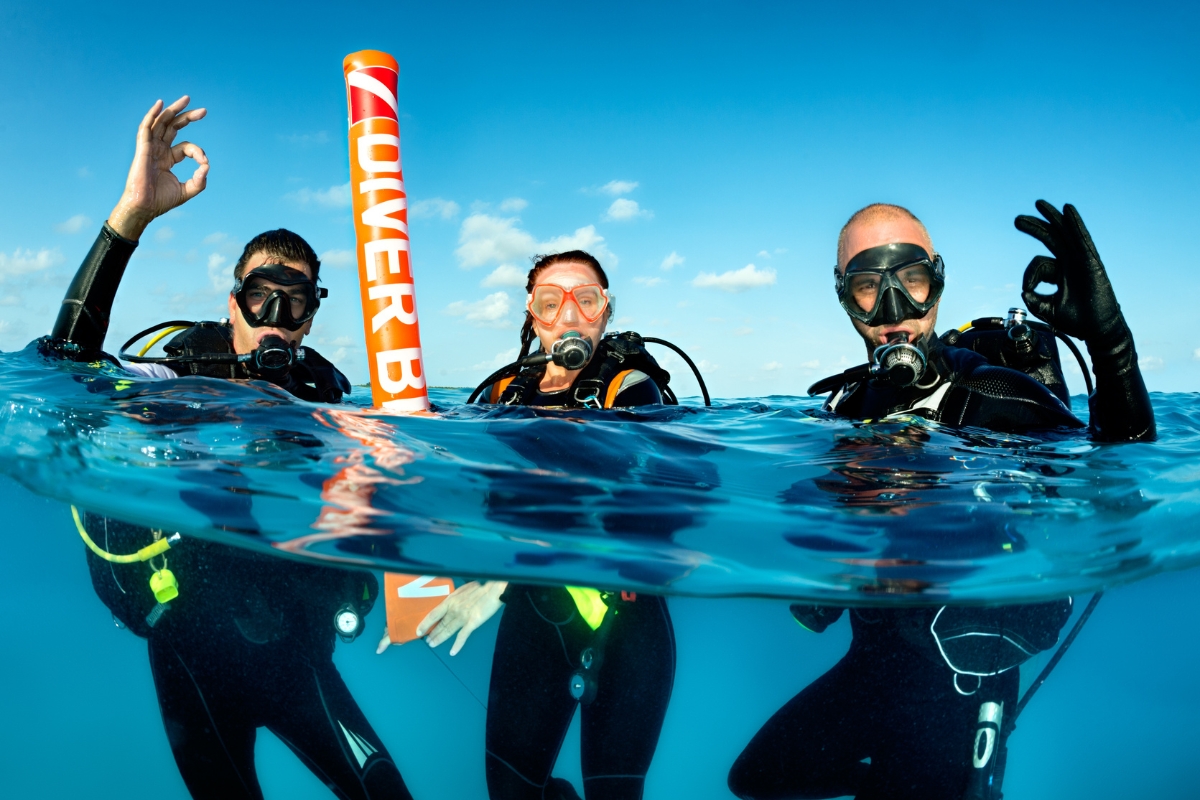
- Understand the importance of the buddy system.
- Familiarize yourself with underwater communication signals.
Environmental awareness
- Learn about protecting the marine environment.
- Understand the principle “Take only photos, leave only bubbles,” which means “Take only photos, leave only bubbles.”
This phrase is an important motto in the diving community; it refers to environmental awareness and responsible behavior while diving. It means that, as a diver, you should:
- Take only photos as souvenirs (no corals, shells, or other marine objects).
- Leave only bubbles from your breathing (no trash or other traces of your presence).
- Simply “pass the time” by enjoying the experience (without harming marine life).
As a diver, you should enjoy and explore the underwater environment without disturbing or destroying it. It is a fundamental part of training in environmental awareness for scuba diving.
After certification
- Plan how you will maintain and improve your skills.
- Consider investing in your own personal equipment.
- Explore opportunities for advanced training.
In summary
Scuba diving is a unique experience that opens up a new world to explore. With the right preparation and training, you can enjoy this activity safely and enthusiastically. Remember that safety is always the top priority in scuba diving. Happy diving!
Your first step in Spain
Look for an introductory activity near home and explain your experience level before booking. Confirm what equipment is provided, what the requirements are, and check the insurance and bad-weather policies. For outdoor activities, check the specific advisories and restrictions for the location—coastal areas, inland waters, and islands all have different conditions. Choose an activity based on your own preparation and the guidance of professionals, rather than just a photograph or a difficulty label.
Original article: 2024-08-19. Edition adapted for Spain: 27 October 2026. Read the Greek original. Original author: Eleni Agiou.