Choosing a hobby for your child is more than just a way to fill their free time; it is a significant opportunity to contribute positively to their development.
A suitable hobby can help your child discover new interests, develop skills, and boost their self-esteem. At the same time, it provides a means of self-expression, expands their social circle, and teaches them the value of perseverance and effort.
However, making a choice is not always easy. It is necessary to take into account the child’s temperament, interests, and needs. After all, the right hobby varies from one child to another.
In this article, we will look at how you can help your child find a hobby that excites them and contributes to their personal development. We will provide practical tips and examples to guide you in making this important decision.
The child’s age
Each age group has different needs and capabilities. For example, a preschool-aged child will be more interested in playful activities. At this age, our primary focus is on the child’s comfort and safety.
An older child might be interested in more competitive or social hobbies—activities that offer them the chance to showcase their skills and stand out. Let’s look at this in a bit more detail:
During the preschool years (ages 2–5), children enjoy activities that encourage movement, such as playing with balls, running, painting, and building with toys. Imagination plays a key role in the activities they engage in. At this age, children often enjoy music and dancing—activities that allow them to express their energy.
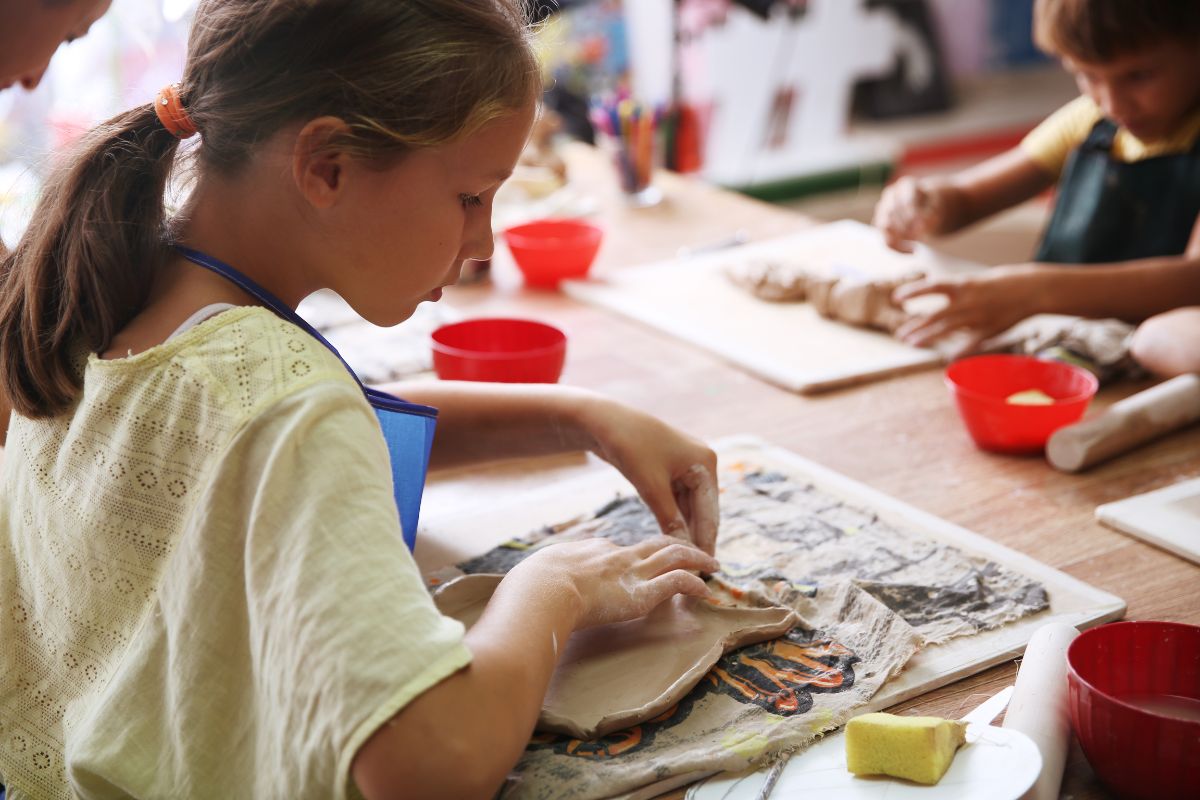
During middle childhood (ages 6–10), children begin to develop more specific interests, such as sports, painting, music, or science. When it comes to sports, it is a good idea for children to start with a team sport, which allows them to socialize and compete. Furthermore, creative expression is particularly important at this age; pastimes such as painting, crafts, and theater allow children to express their creativity and emotions.
During preadolescence (ages 11–13), children often choose a hobby that requires a greater level of commitment, focusing primarily on an activity that allows them to express themselves—such as learning a musical instrument or participating actively on a sports team. This is also the age when an interest in digital activities, video games, and similar pursuits often develops. Given that technology and the digital world play a fundamental role in our lives, it is important to show children the value of balancing time spent online with other activities.
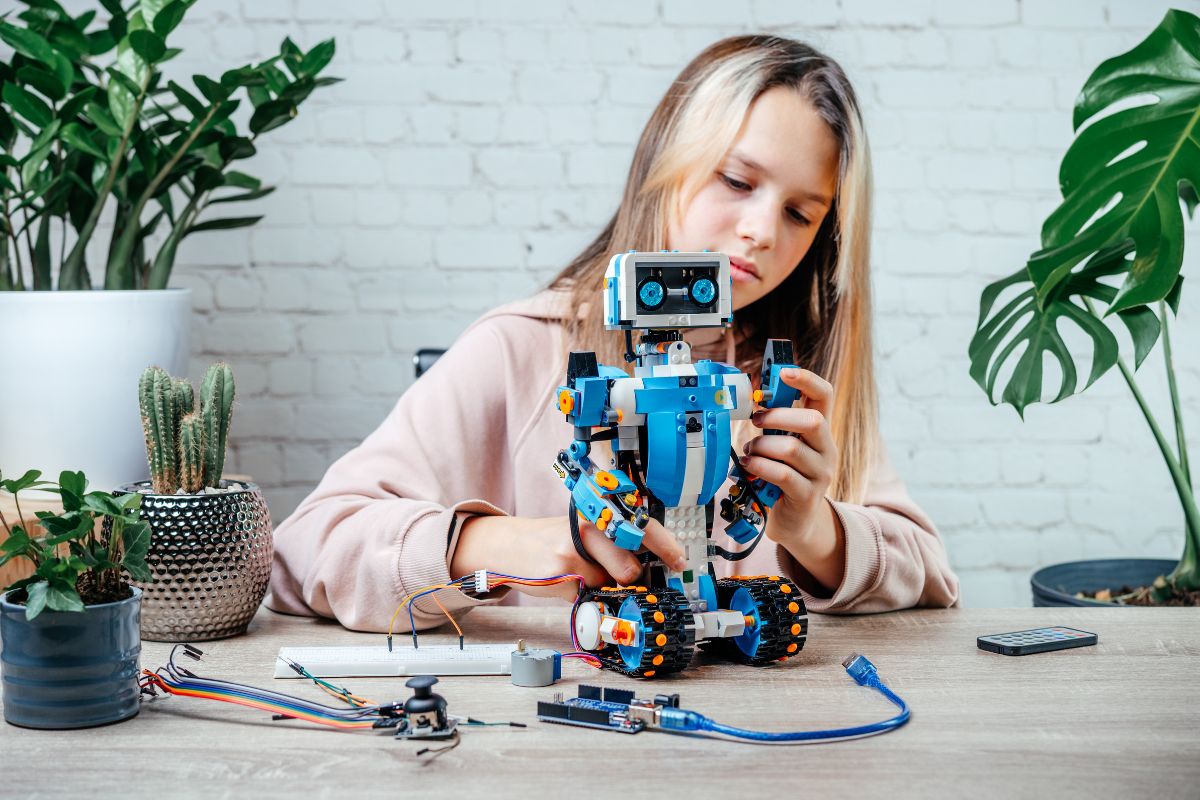
In adolescence (ages 14–18), when a young person’s personality is already well-defined, they typically choose hobbies that align with their identity, beliefs, and desires. Regarding sports, their preferences are usually established, and participation in teams often becomes quite competitive and systematic. At this age, individuals frequently develop new interests and pursuits related to social issues and cultural topics.
A child’s interests
Every child has different interests and preferences that suit their unique character—and that is completely normal! For example, a child might be interested in art, music, nature, animals, science, or sports.
If a child does not verbally express their preferences at a very young age, you can observe them, ask them questions, offer encouragement, and let them try out various activities until they find one that truly allows them to express themselves. The development of a child’s interests is a dynamic process that evolves over time, shaped by a variety of factors.

Active parents – active children
The family and social environment provides children with their first experiences and initial stimuli. Support and encouragement from parents and teachers are crucial for the development of a child’s interests. Therefore, it is important for a child to see their parents pursuing interests and hobbies, and showing a desire to engage in activities. The role of parents is perhaps the most significant determining factor in a child’s willingness—or refusal—to participate in individual or group activities.

A child’s needs
Every hobby offers different benefits to a child. A hobby can help them improve their attention, memory, imagination, critical thinking, self-expression, physical mobility, health, and socialization skills—and much more!
It is important to consider whether a child will engage in an individual or a group hobby, as both develop very different aspects of their personality.
Encouraging hobbies in children is one of the most effective ways to develop their personality, cultivate skills, and strengthen their self-esteem. It is worth noting that it is perfectly normal for a child to change, develop new interests, and try new things. Let’s give them the opportunity to discover—through their hobbies—what truly defines them.
Let the child help define a useful trial
Ask what attracts them: making an object, moving, learning music, being outside or meeting other children. Offer a small number of realistic choices rather than presenting a course as a decision already made. A child’s interest can change after discovering what the activity actually involves.
Compare the setting as carefully as the hobby
Check the stated age range, group size, supervision and teaching approach. Discuss relevant access or sensory needs with the organiser and ask what adaptations are genuinely available. If a child has a diagnosed condition, do not select an activity from a blanket claim that a particular hobby treats it; obtain guidance appropriate to the child’s needs.
For a trial, consider the whole day, including travel, waiting and rest. Ask whether equipment is supplied and avoid buying a long-term kit before the child has experienced the session. Explain that the trial is a chance to learn what they like, not a test of talent.
Afterwards, ask what they would like to repeat and what was difficult. A different teacher or smaller group may change the experience, but the child may also simply prefer another activity. Keep achievement, competitions and examinations optional until you understand their interest. The goal is a sustainable, respectful leisure experience, not filling every afternoon or copying another child’s timetable.
From sports and music to creative activities, dance, and much more, you can explore various options at HobbyDetective to find the one that best suits your child’s interests and personality.
HobbyDetective Spain is preparing its community and experiences. Explore what is coming next. HobbyDetective
Related reading
Editorial revision and practical additions: HobbyDetective. The original publication date is retained. Original Greek article.