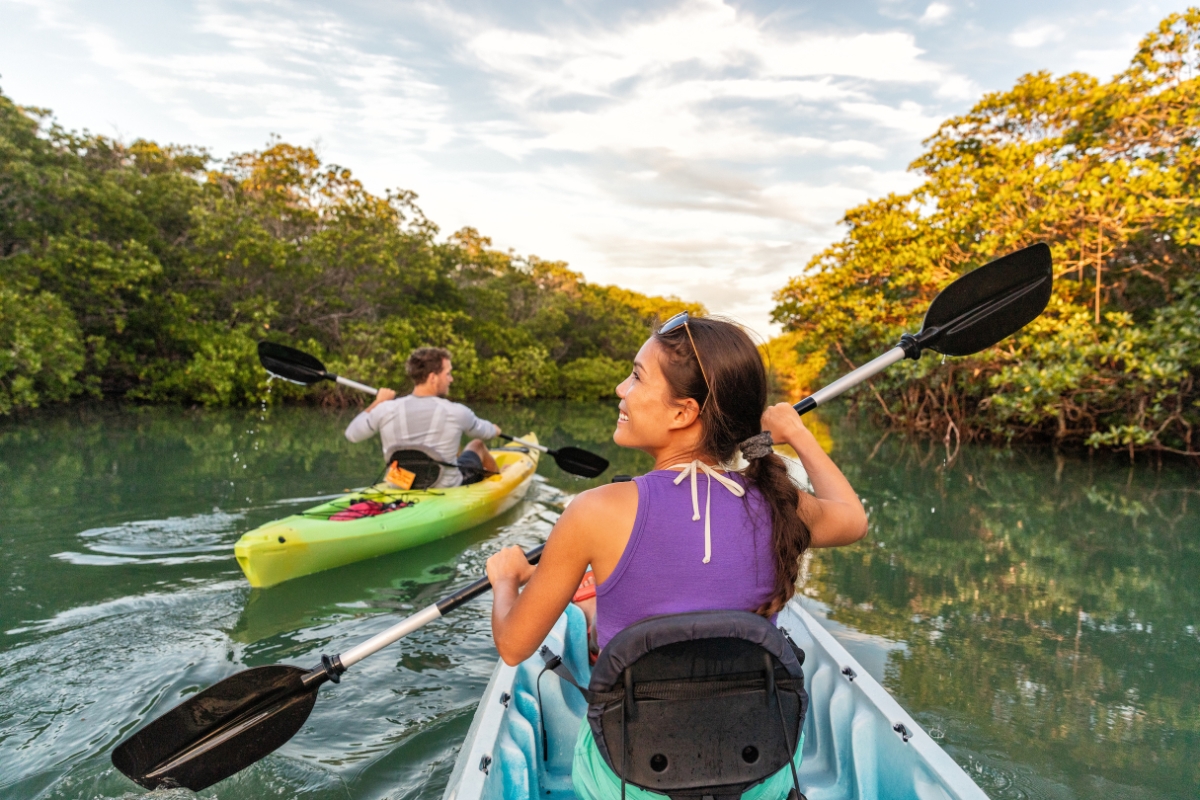
Kayaking combines moving a craft, understanding the water and making decisions about a route. The relevant skills depend on the kayak and environment. A first calm-water introduction is different from sea kayaking, surf or a river descent; choose instruction that matches the experience you actually want.
This article provides a learning checklist. It does not teach rescue, rolling or handling difficult water through written steps. Those skills need appropriate instruction, equipment and supervised practice.
Know the craft and its fit
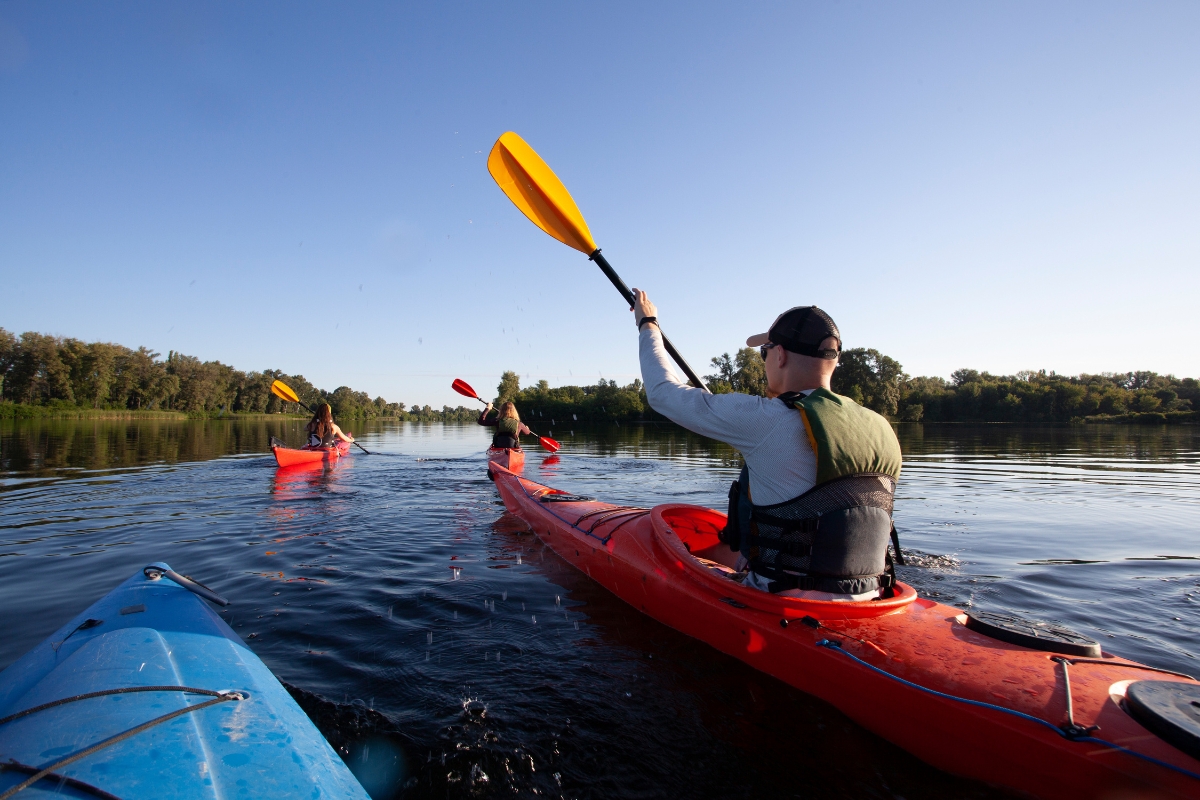
Ask which kayak is used and how the seating and other relevant parts are adjusted. Sit-on-top and enclosed-cockpit craft do not have identical arrangements. Do not assume that every beginner lesson uses the same entry, exit or equipment procedure.
Tell the instructor about previous experience and water confidence. Ask about the requirements for the session before arriving. A provider needs accurate information to explain what is appropriate and what support it can offer.
Learn basic movement in a suitable setting
An introduction may work on moving forward, stopping and changing direction. Ask for one manageable task and feedback on it. Repeating a movement you do not understand can make the session tiring without resolving the difficulty.
Learn where you are allowed to practise and how the group stays separated and together as required. The aim is controlled movement in the chosen setting, not immediately covering distance or following a more experienced paddler.
Make communication part of the lesson
Before entering the water, understand the instructor’s signals and the way you ask for help or stop. Do not rely on inventing gestures once the group is spread out. Ask what to do if you lose sight of an instruction or feel uncomfortable.
Any practice involving capsize, re-entry or rescue should be deliberately organised and supervised. Do not try it unexpectedly to see whether an online description works. Carrying a piece of rescue equipment is not the same as being trained to use it.
Conditions and decisions belong in the training
Wind, water movement, temperature, access and other users affect an outing. A calm-looking surface or a short distance does not settle the question of suitability. Seek current local assessment and stay within the limits of your actual training.
Paddle UK’s safety-document collection illustrates the range of planning and safety topics in paddlesport. Use relevant training and local guidance for your activity rather than importing another organisation’s rules as local law.
Review before the next outing
Ask what you can practise appropriately and which skills need further instruction. Record the craft, setting and learning tasks, so that your next conversation about experience is specific. “I have tried kayaking once” is less useful than knowing what the session covered.
If you want to progress towards an outing, investigate a suitable organised activity or further course. Buying equipment can wait until you understand its intended use, fit and maintenance. A good introduction leaves you with clearer questions and a realistic next step, rather than the impression that ten written tips eliminate the risks.
Practise kayak skills with feedback before relying on them
A written description can introduce a term, but it cannot show whether you are using it correctly on the water. Choose instruction appropriate to the craft and environment: a calm-water introduction, a river course and sea kayaking involve different conditions and learning needs.
Ask about the session’s scope
Find out which basic handling and safety skills are taught, what equipment is provided and how the group is supervised. Explain your experience and swimming confidence. Ask how weather, water conditions and access affect the decision to proceed.
Learn entry, exit, communication and the relevant response to a problem through supervised practice. Do not attempt a capsize, rescue or moving-water manoeuvre simply to test instructions from the article. Those skills require the right setting, equipment and teaching.
For an outing after instruction, choose a plan consistent with your actual competence and seek local guidance where needed. Agree launch, exit, group arrangements and conditions for stopping. A short route you understand is preferable to an ambitious one chosen because a map looks straightforward. Review the lesson with the instructor and identify the next skill to consolidate. Carrying more equipment cannot compensate for training you have not yet received.
Related reading
- SUP (Stand-Up Paddleboarding): The summer pastime you have to try
- What you need to know before starting scuba diving lessons
Editorial revision and practical additions: HobbyDetective. The original publication date is retained. Original Greek article.